
Wine places
Every wine country, region and named area in World of Wine, as a guide you can read. Search for a place you have seen on a label, start with a full guide, or browse the whole list.
Full guides
41 places with maps, label names and bottles to start with.
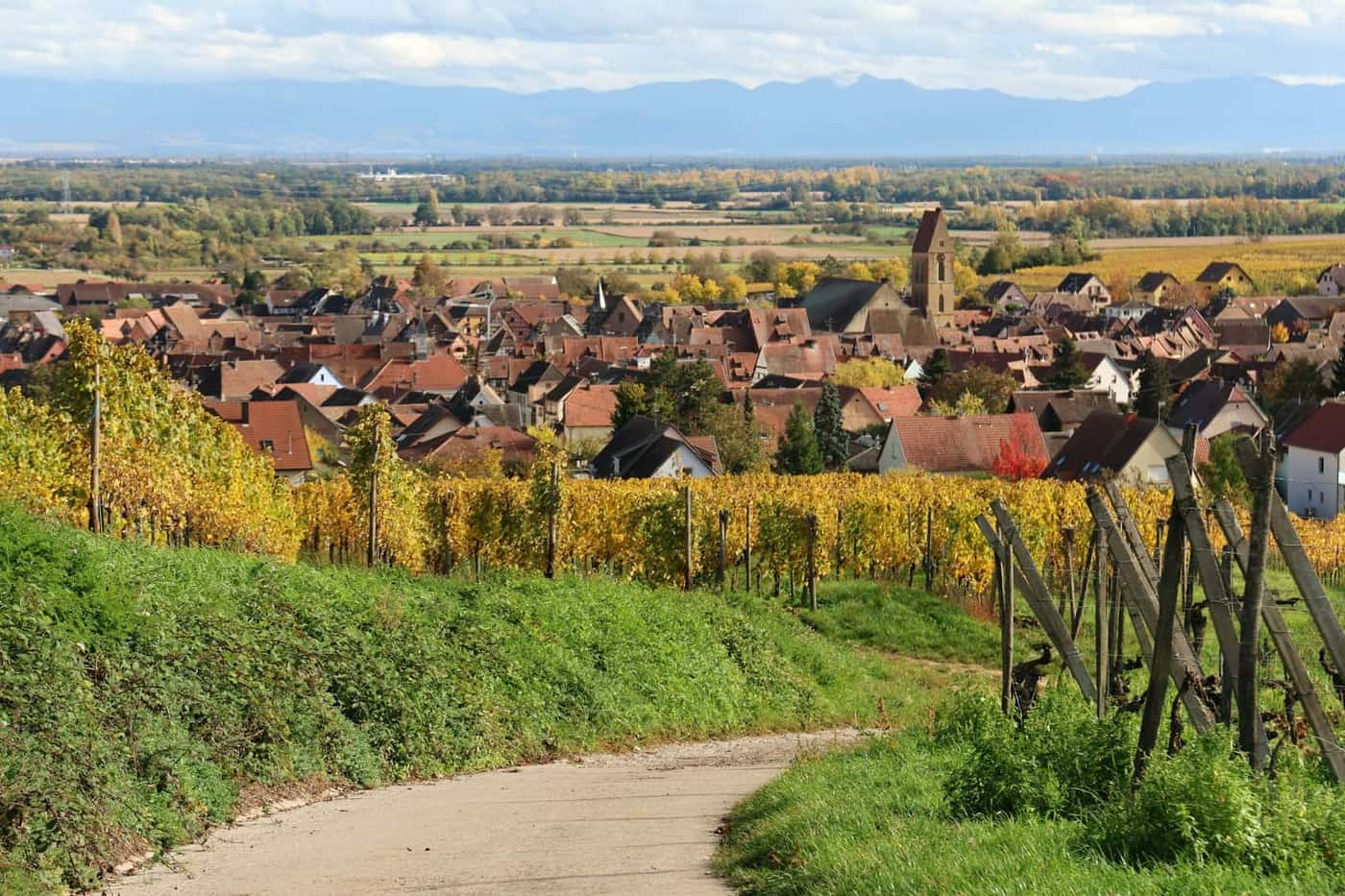 AlsaceFrance
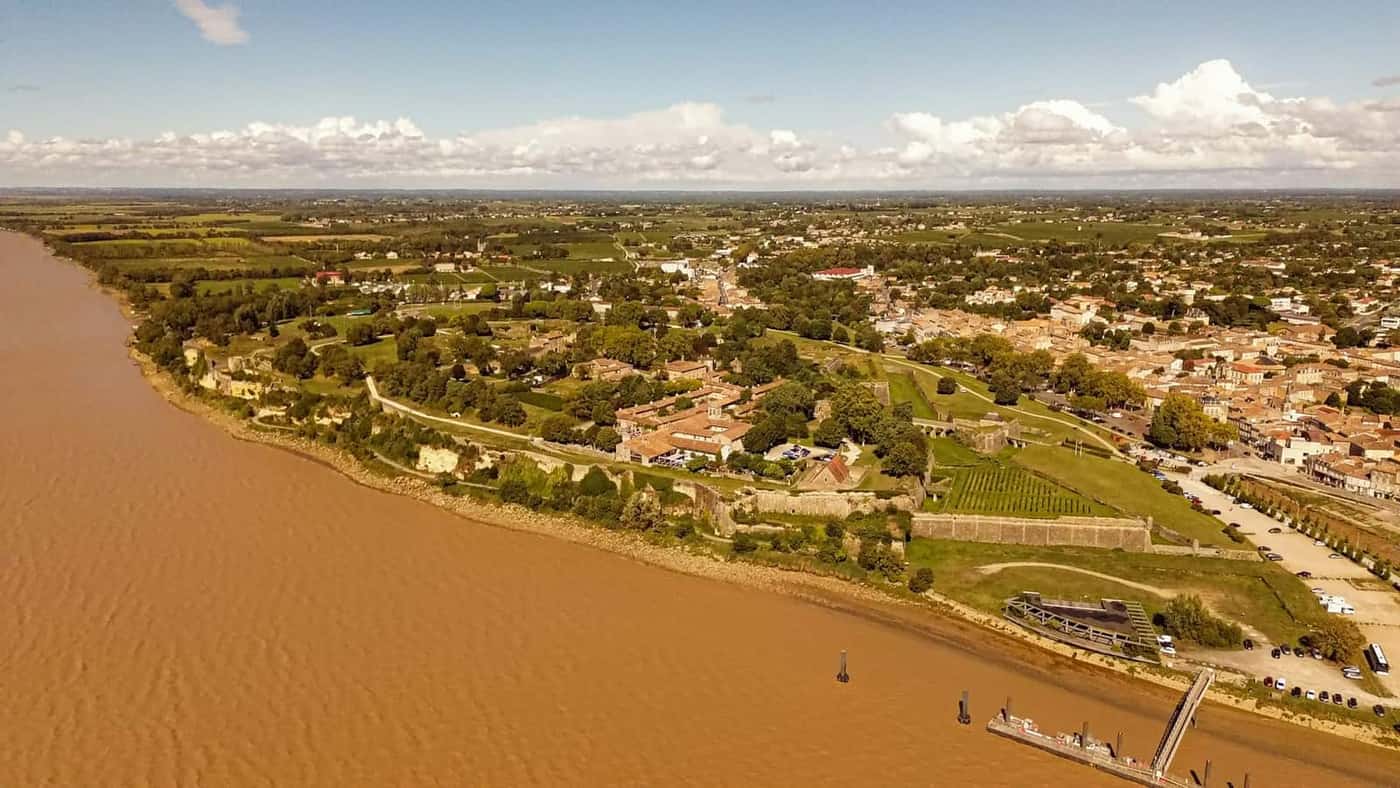 BordeauxFrance
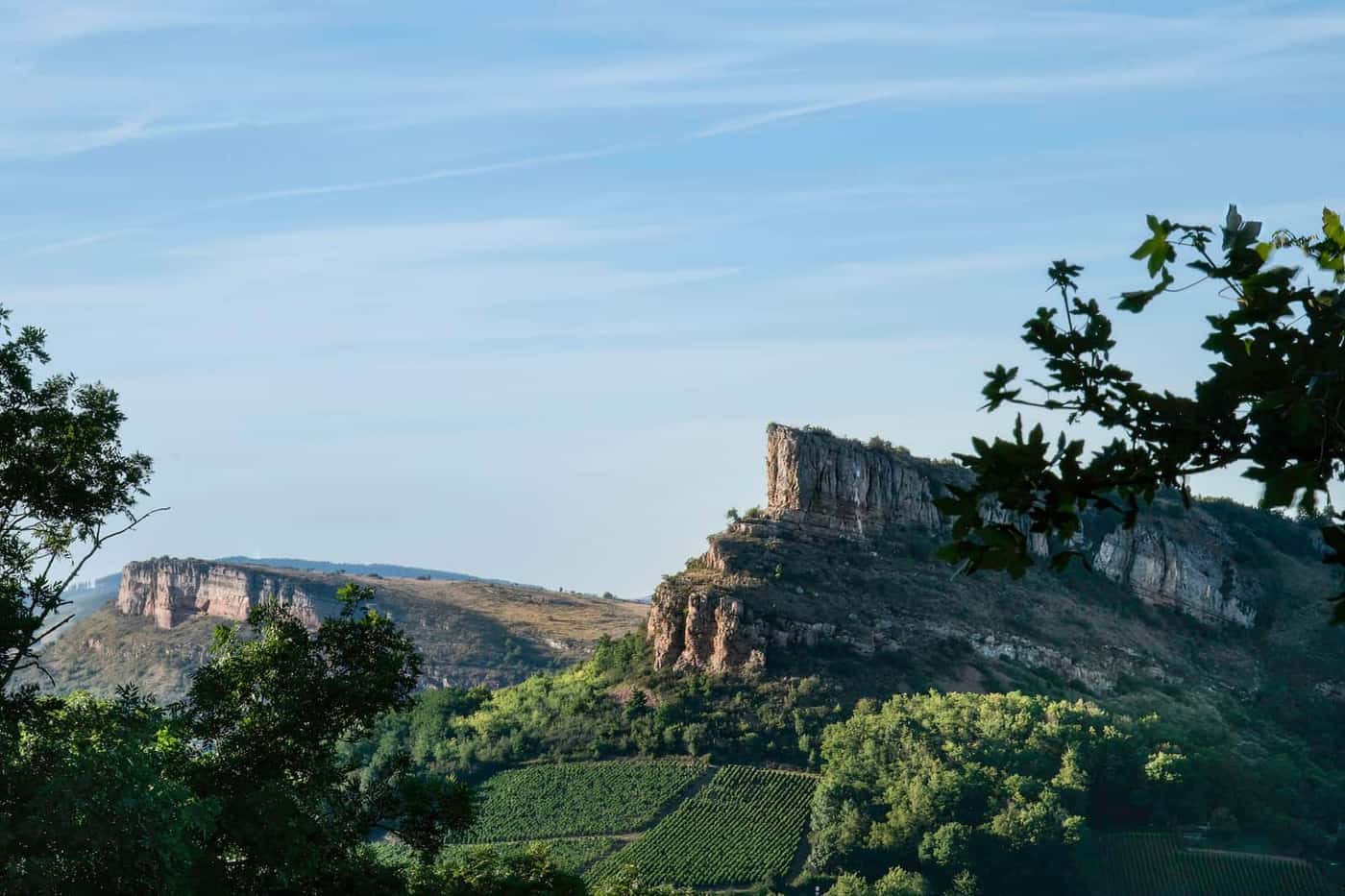 BourgogneFrance
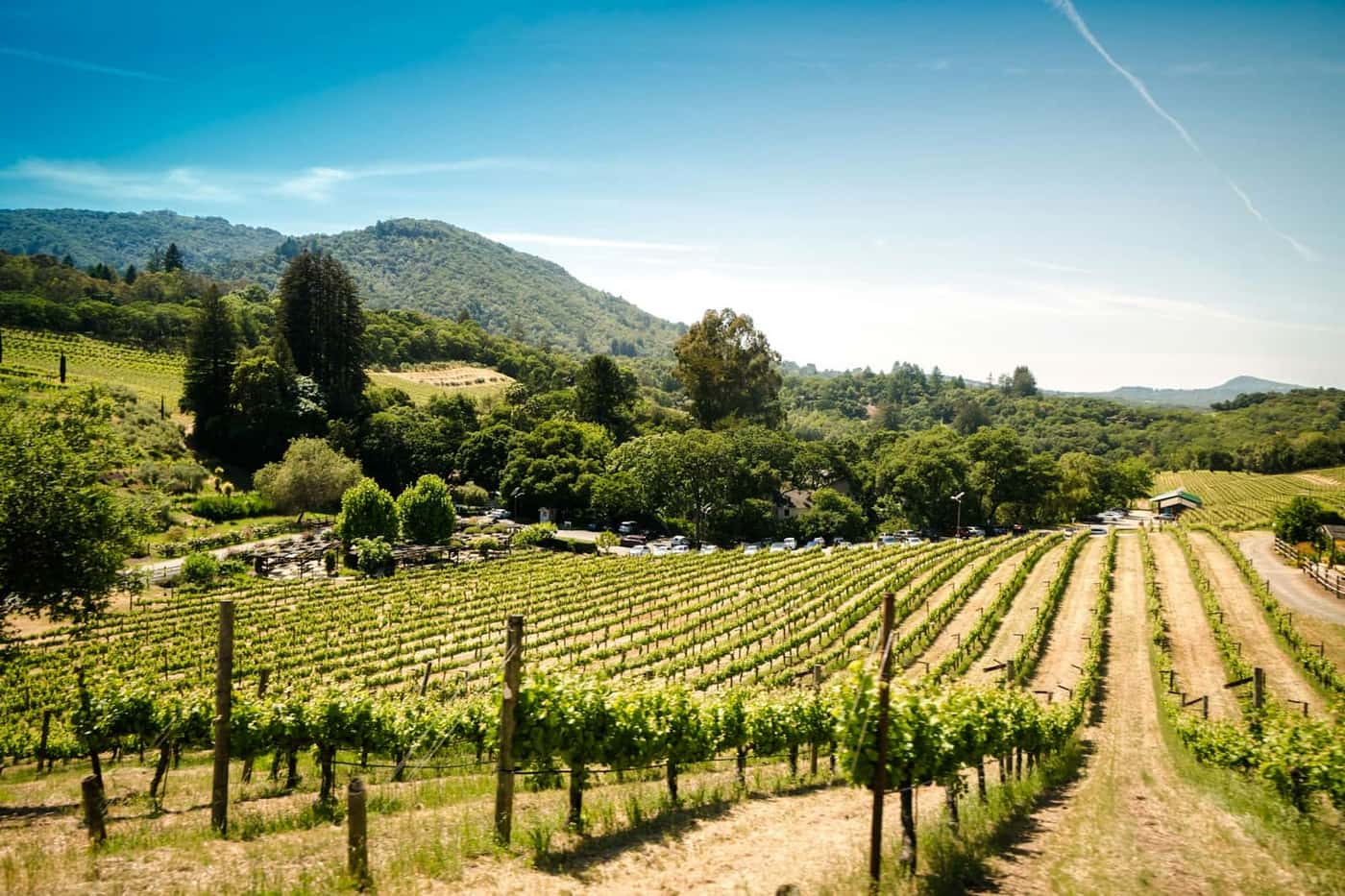 California · North CoastUnited States
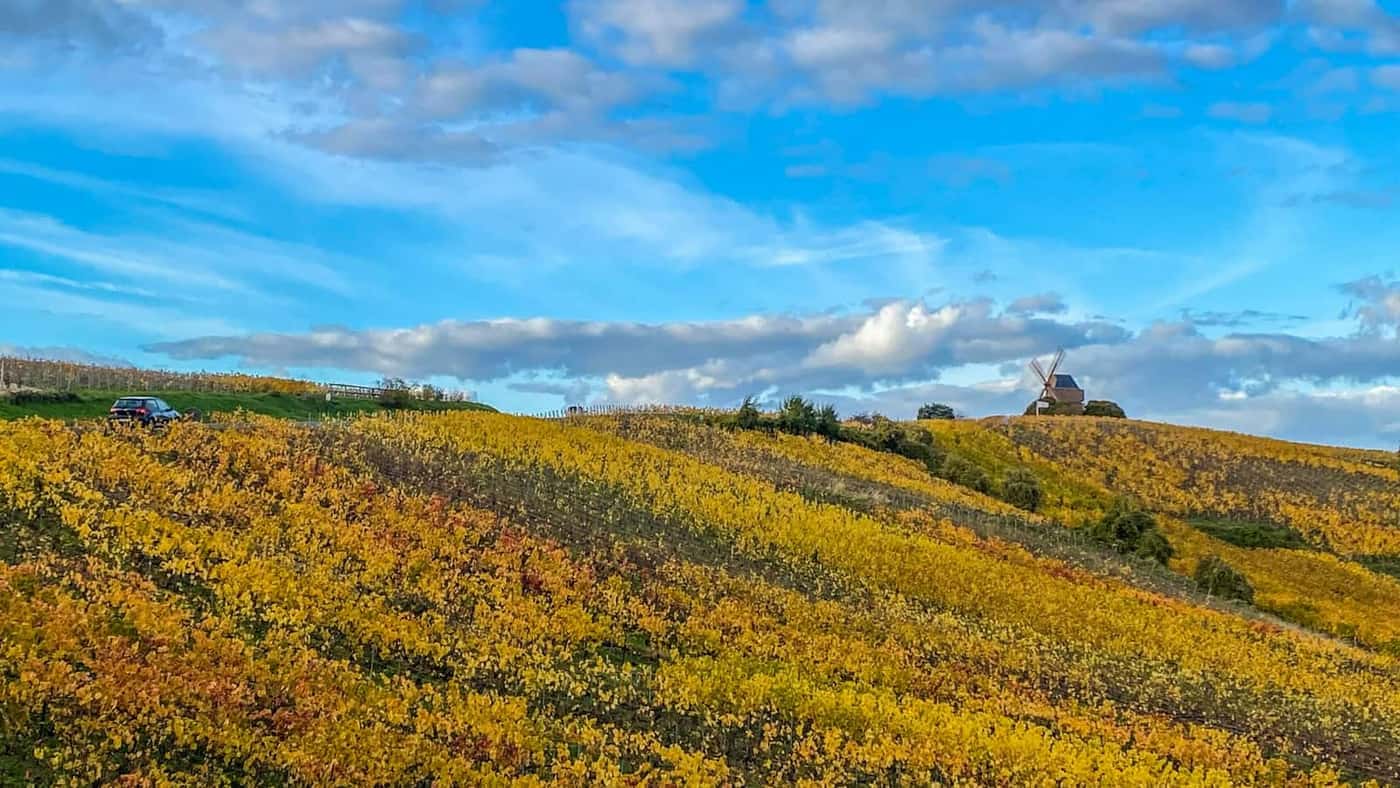 ChampagneFrance
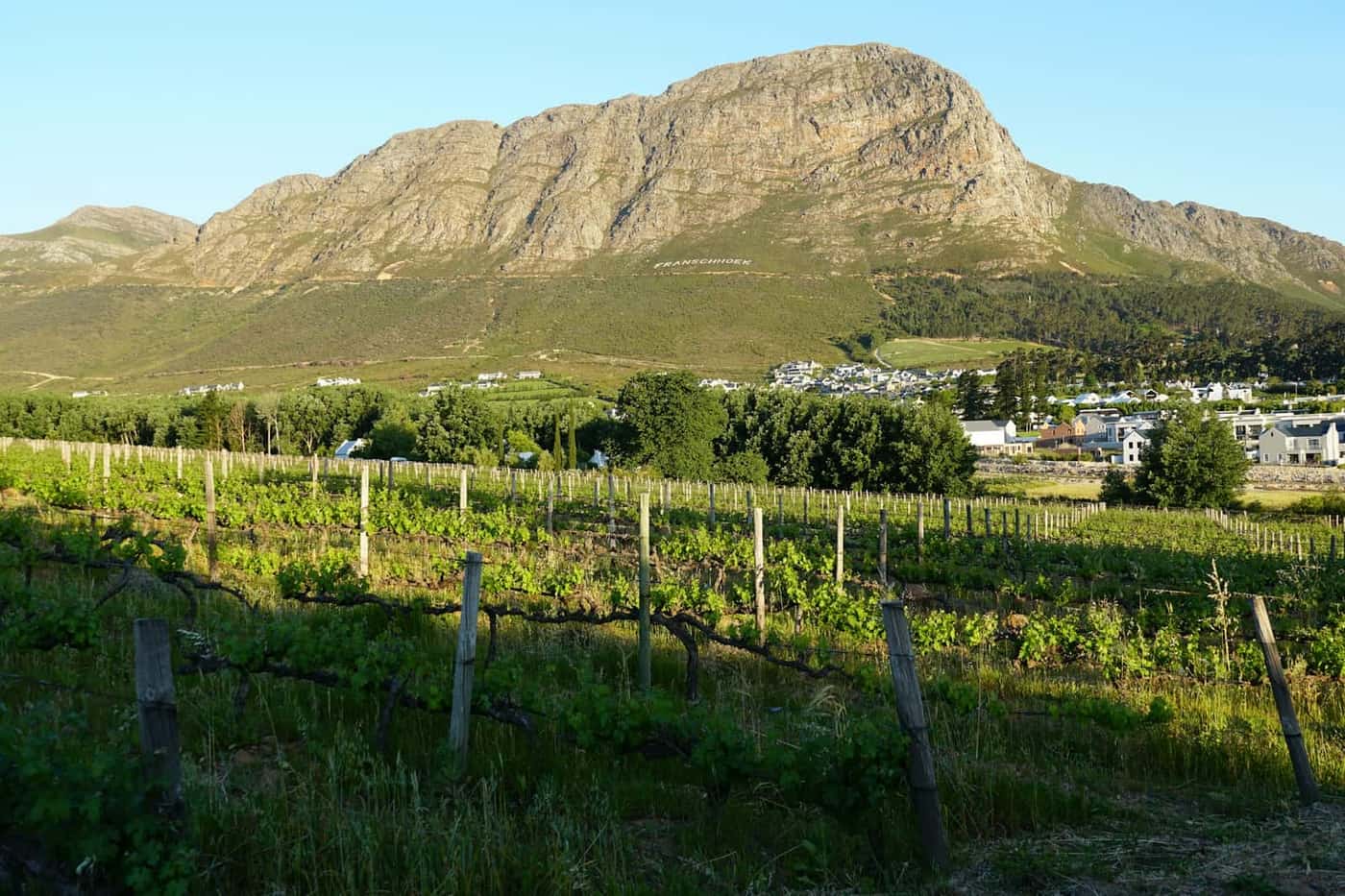 Coastal RegionSouth Africa
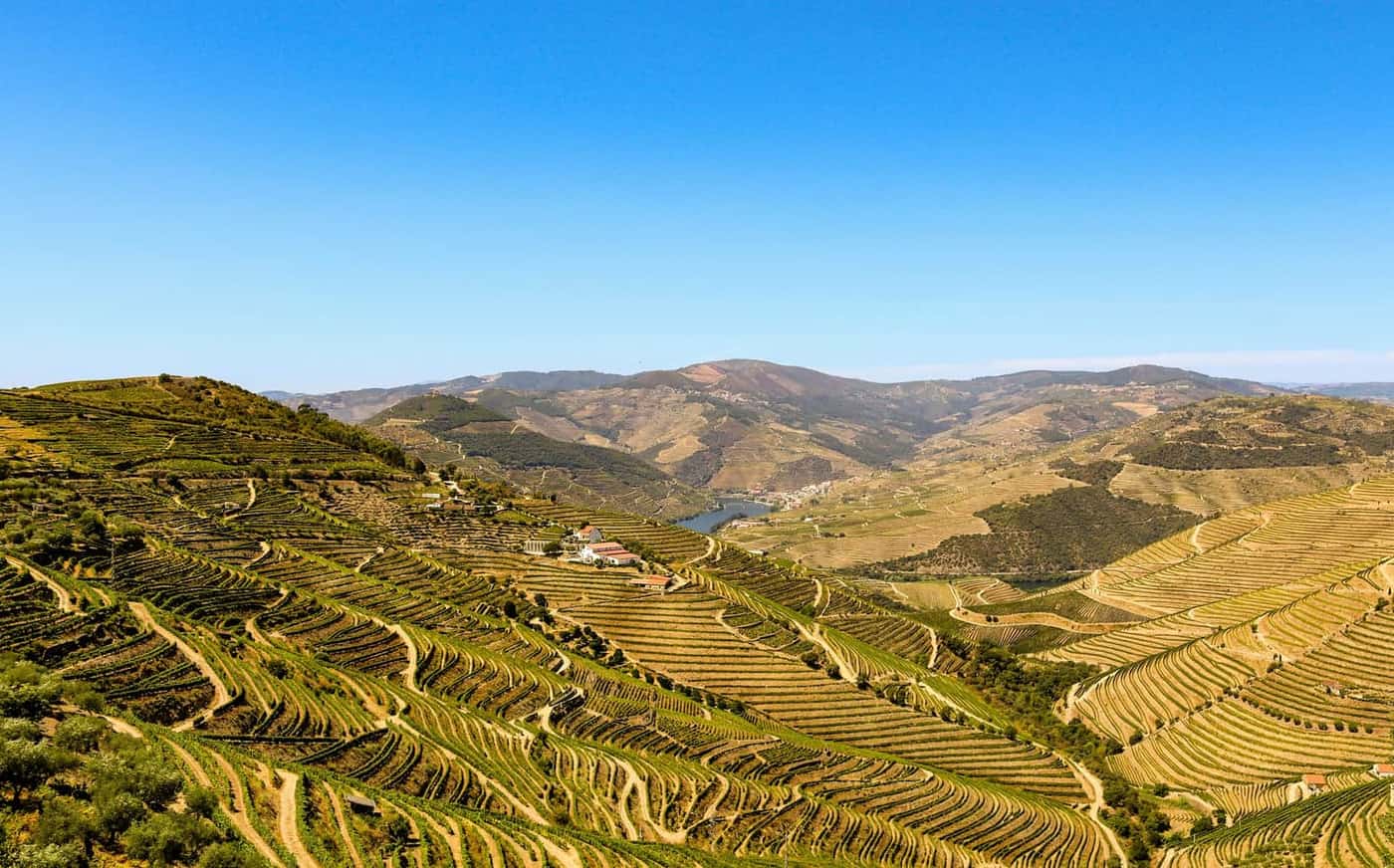 Douro / PortoPortugal
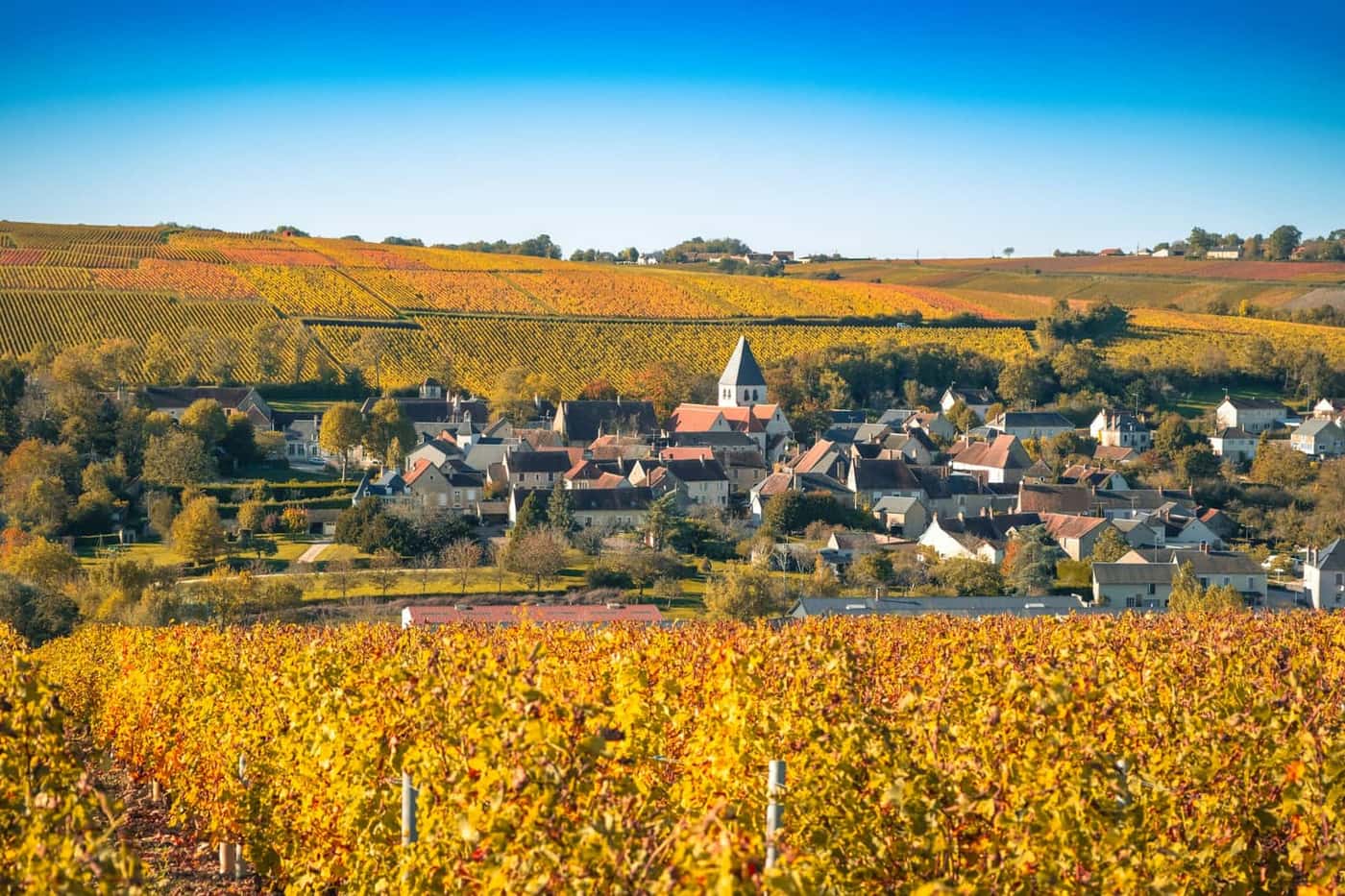 LoireFrance
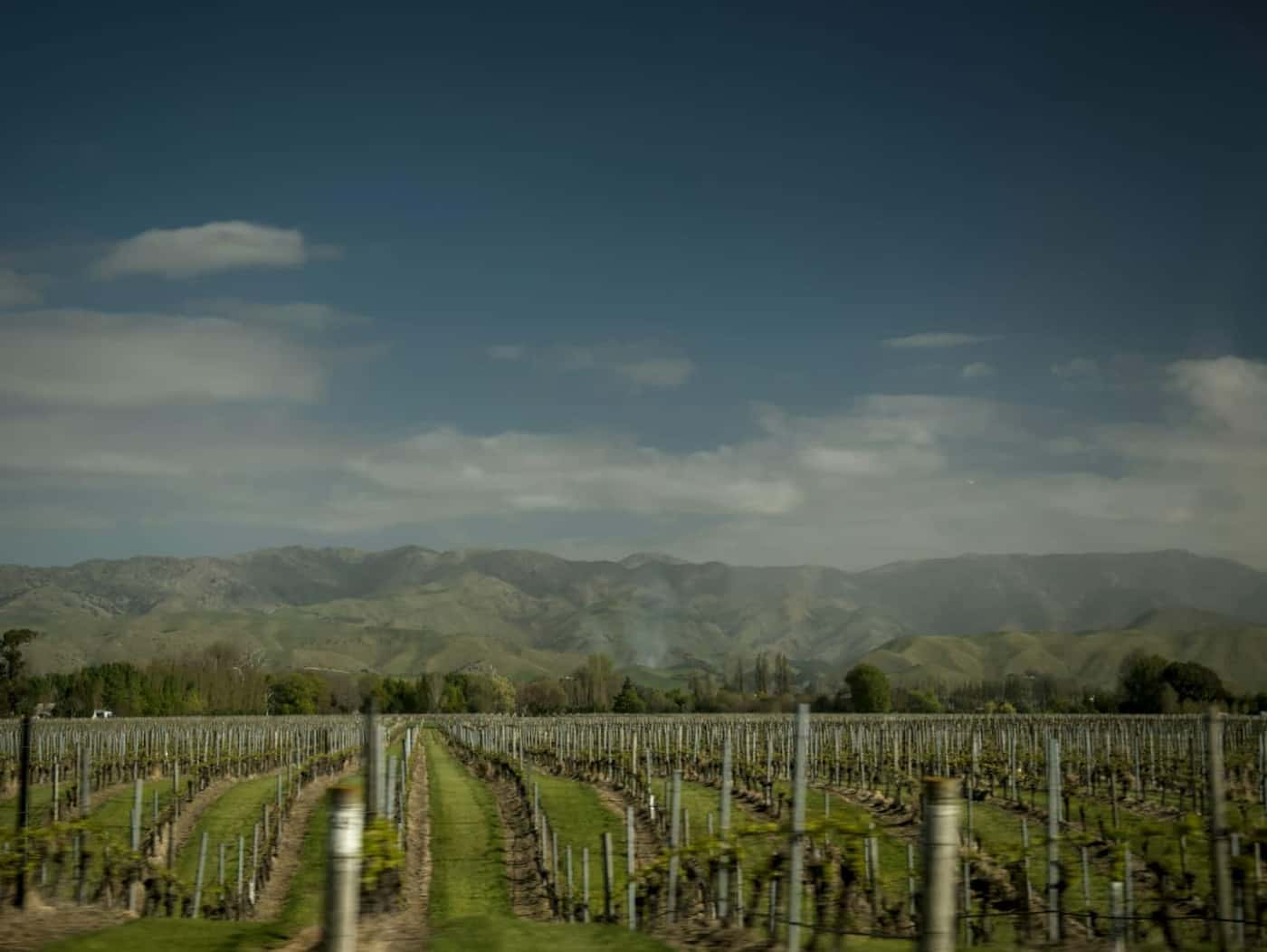 MarlboroughNew Zealand
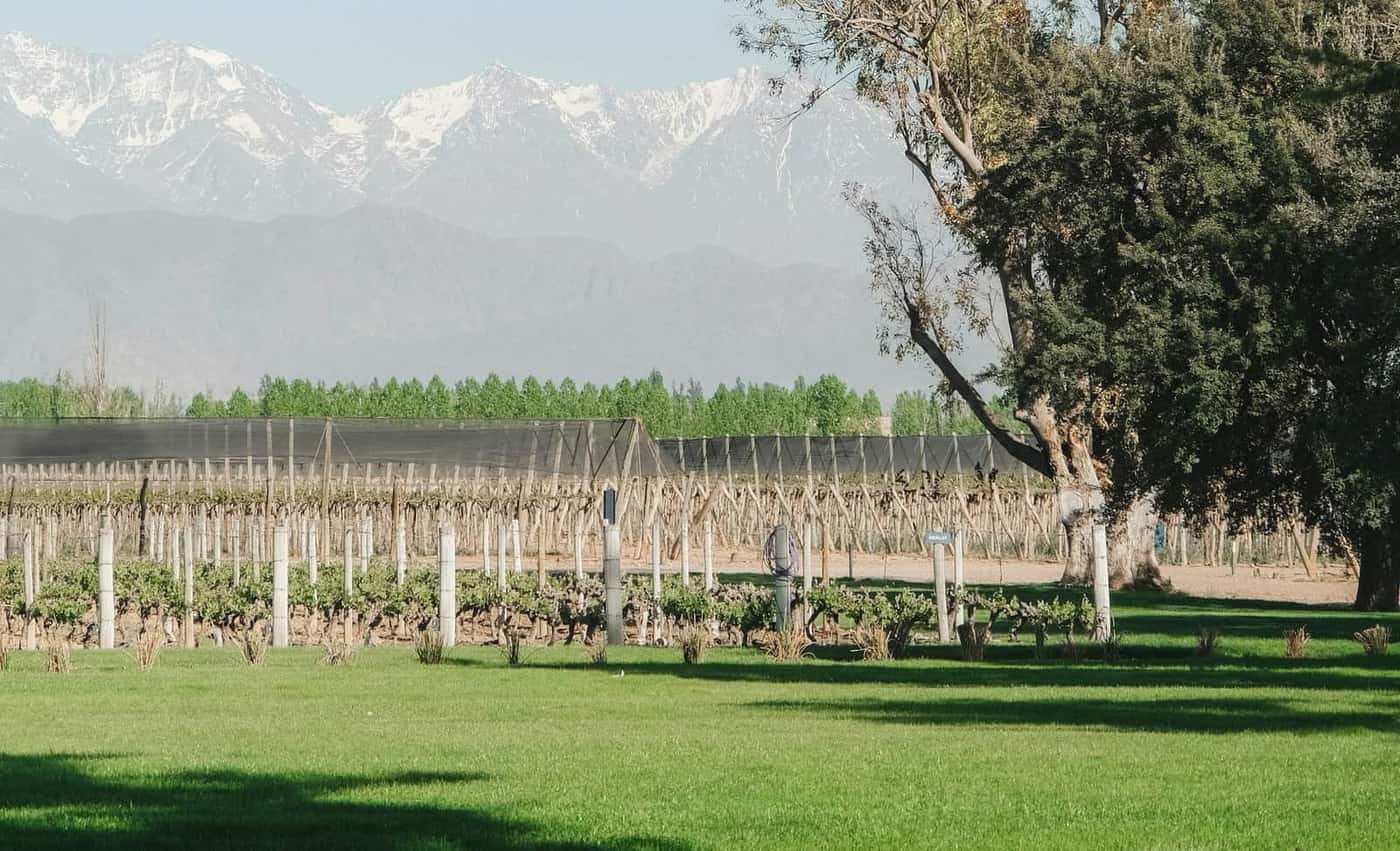 MendozaArgentina
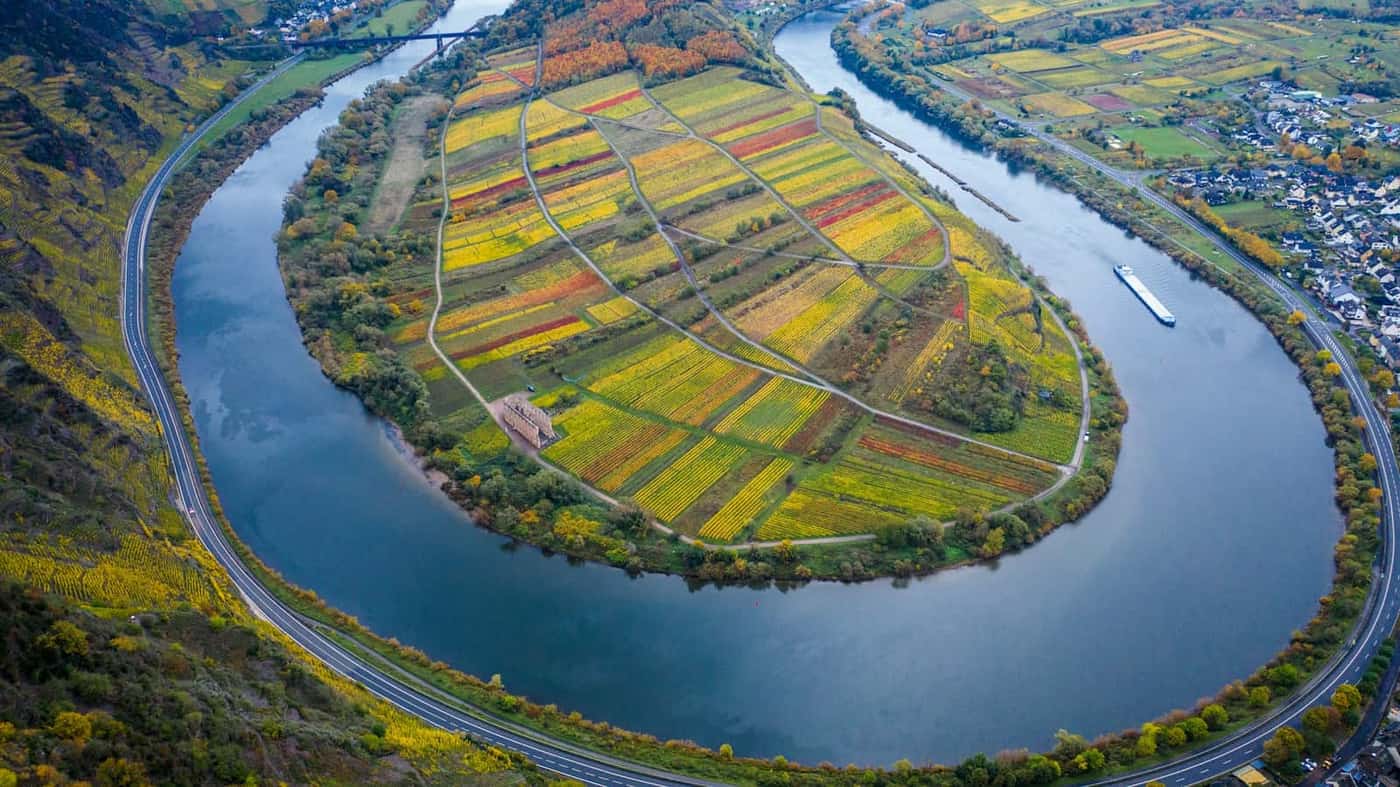 MoselGermany
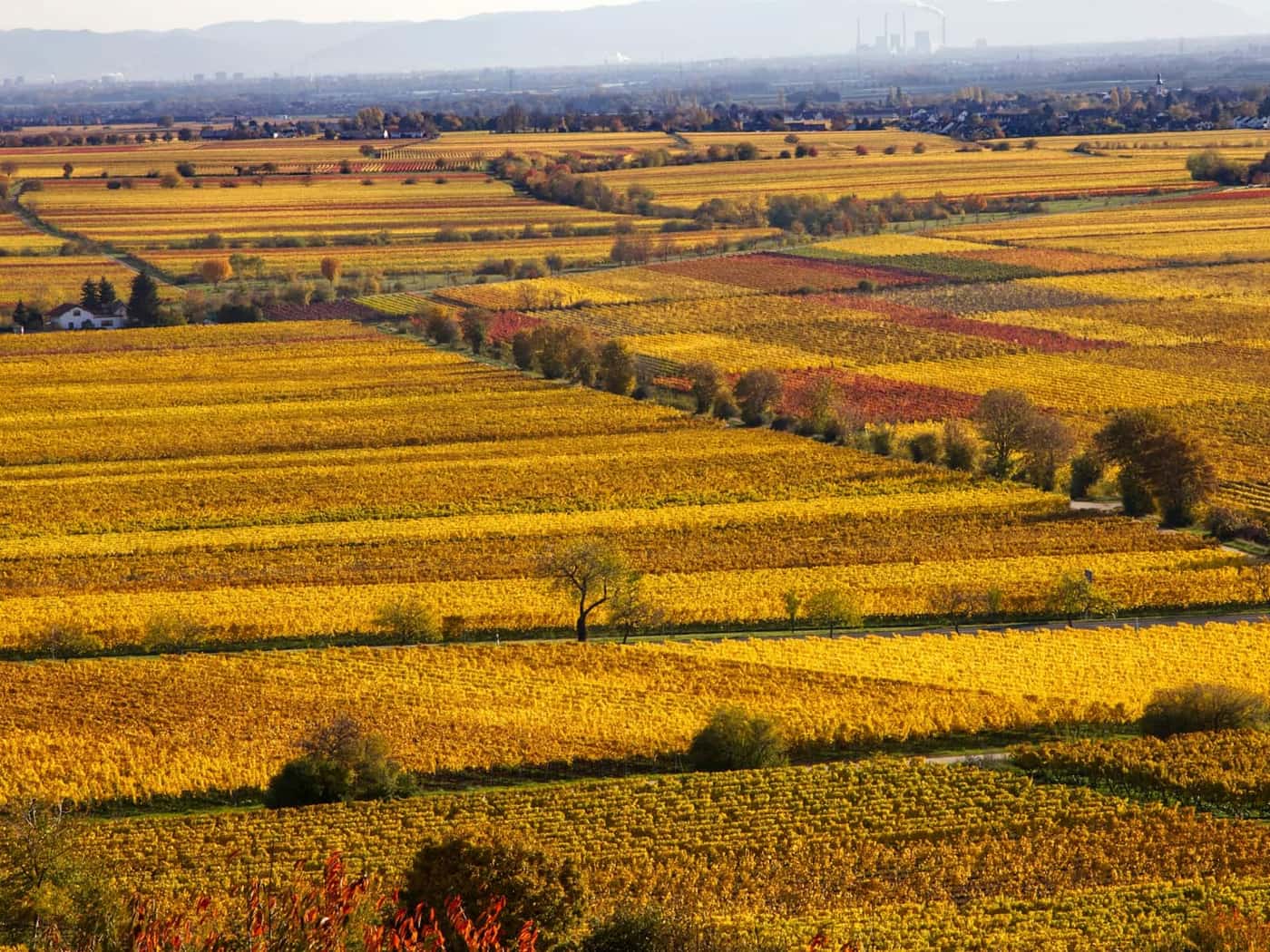 PfalzGermany
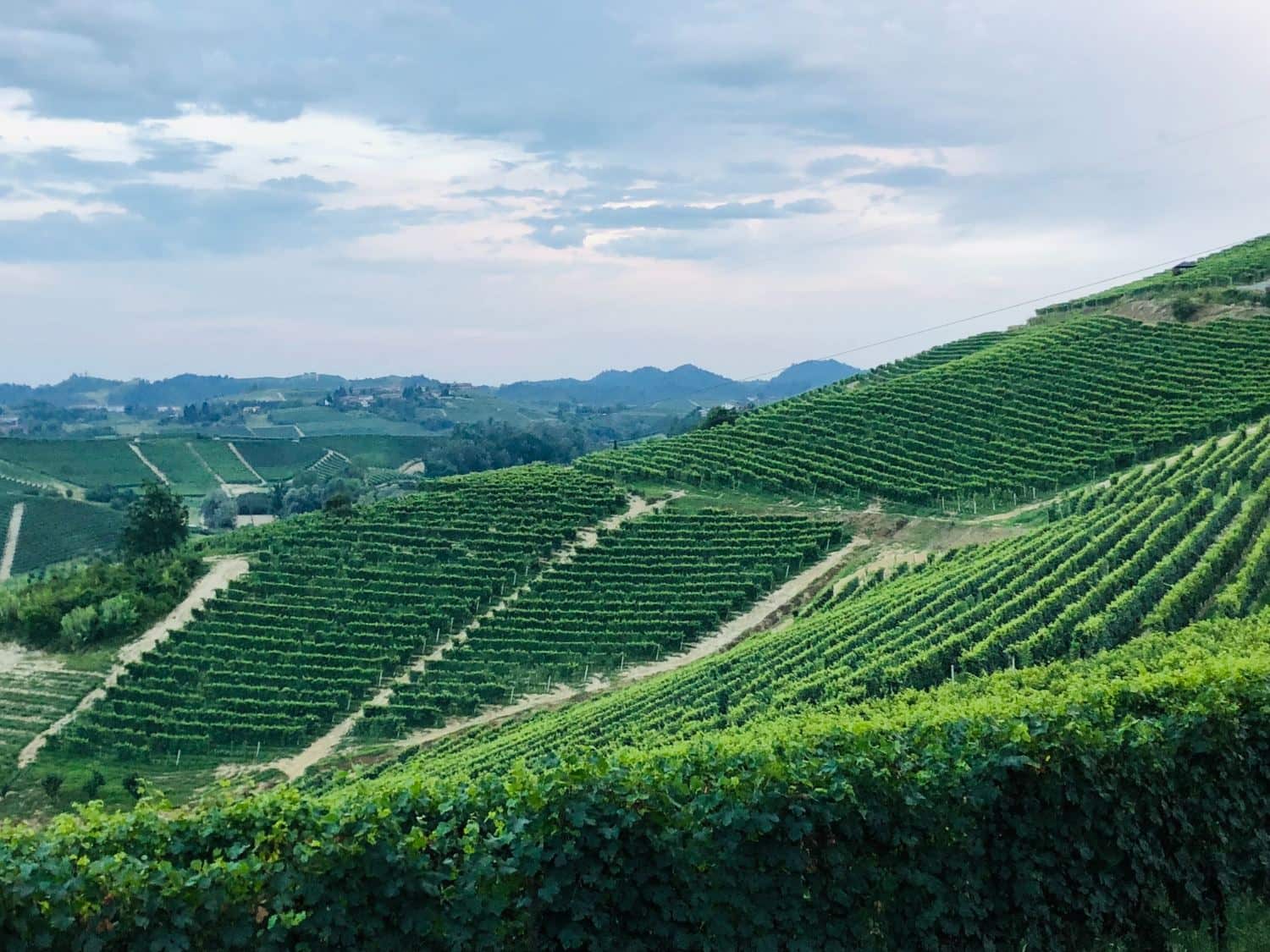 PiemonteItaly
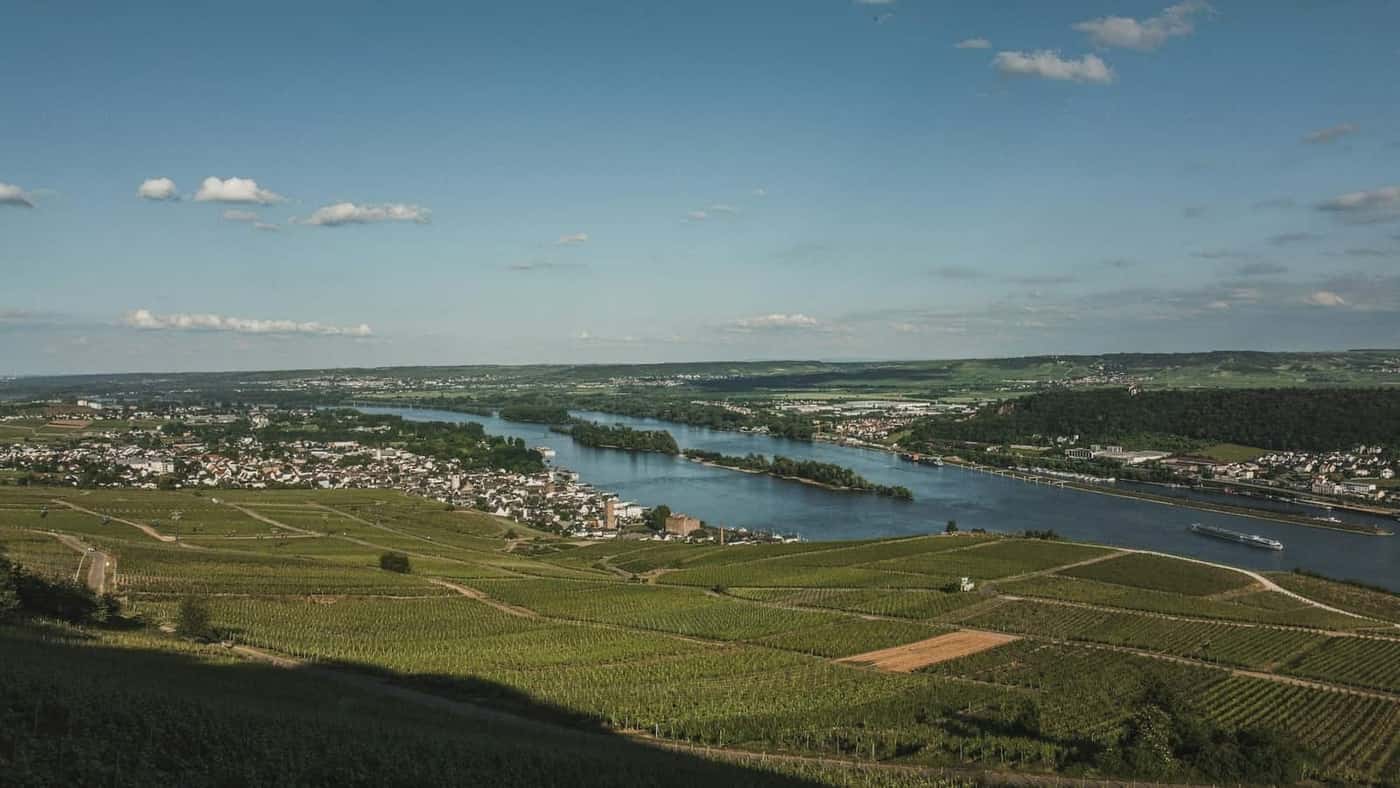 RheingauGermany
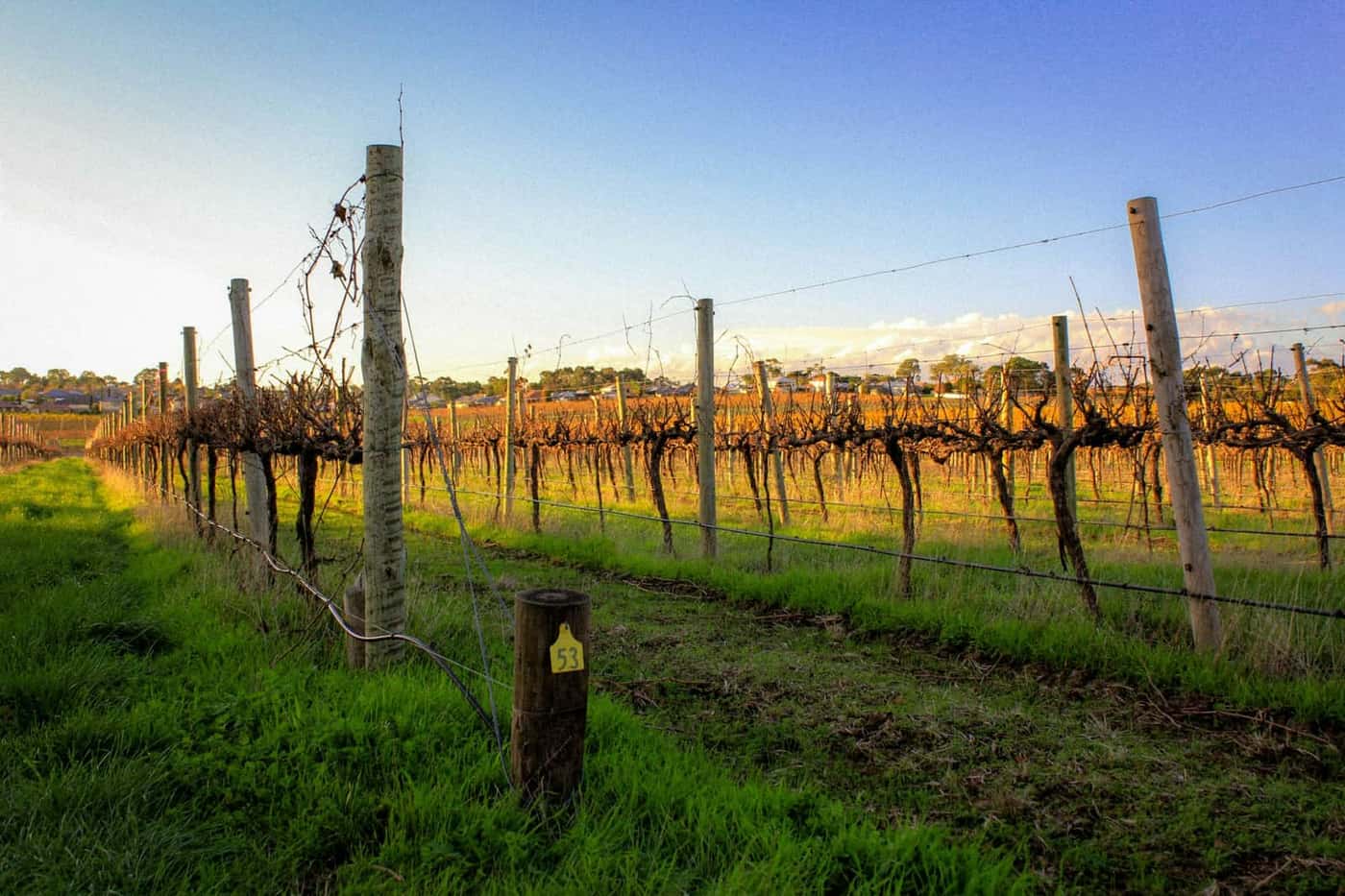 South AustraliaAustralia
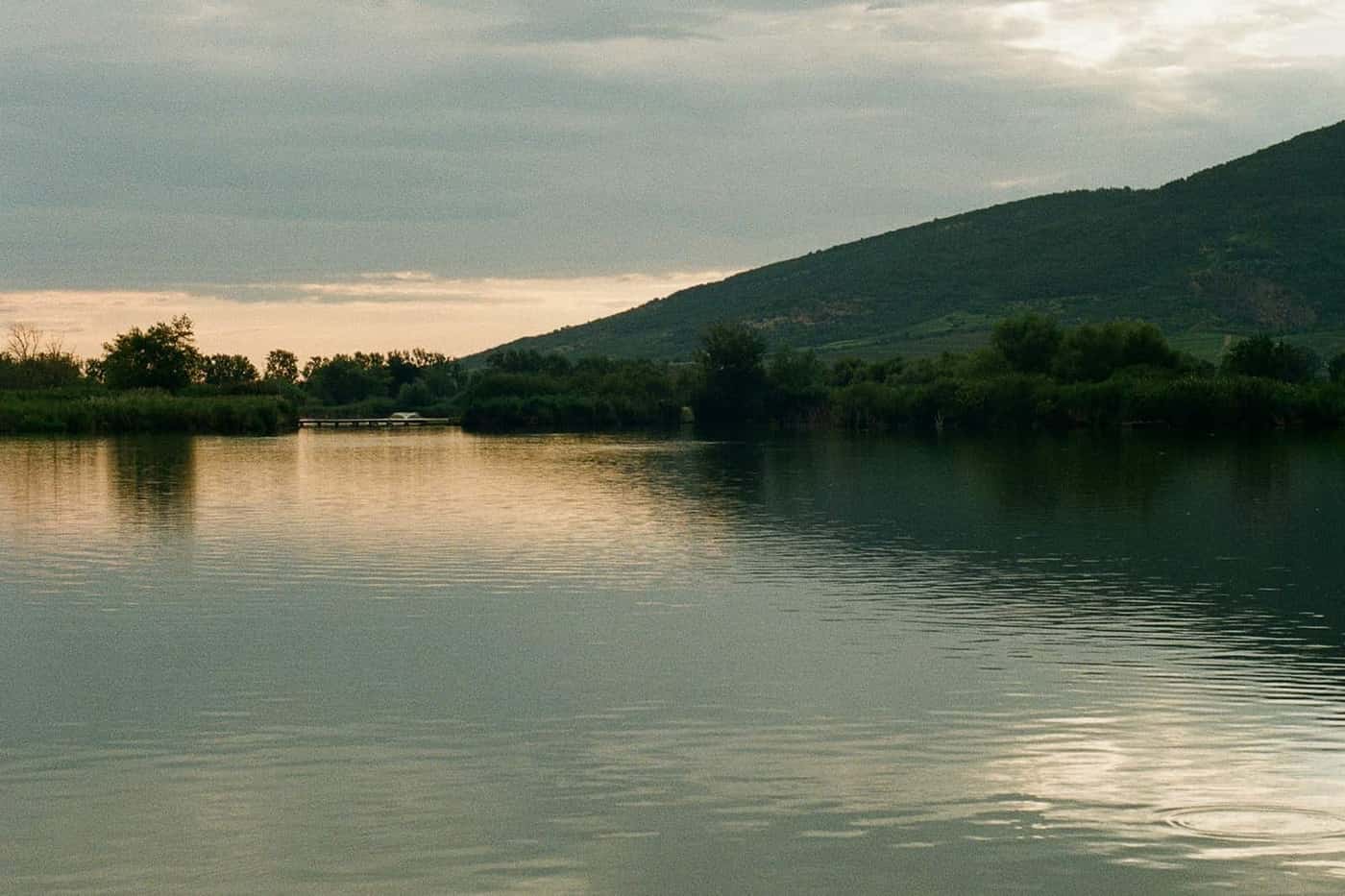 TokajHungary
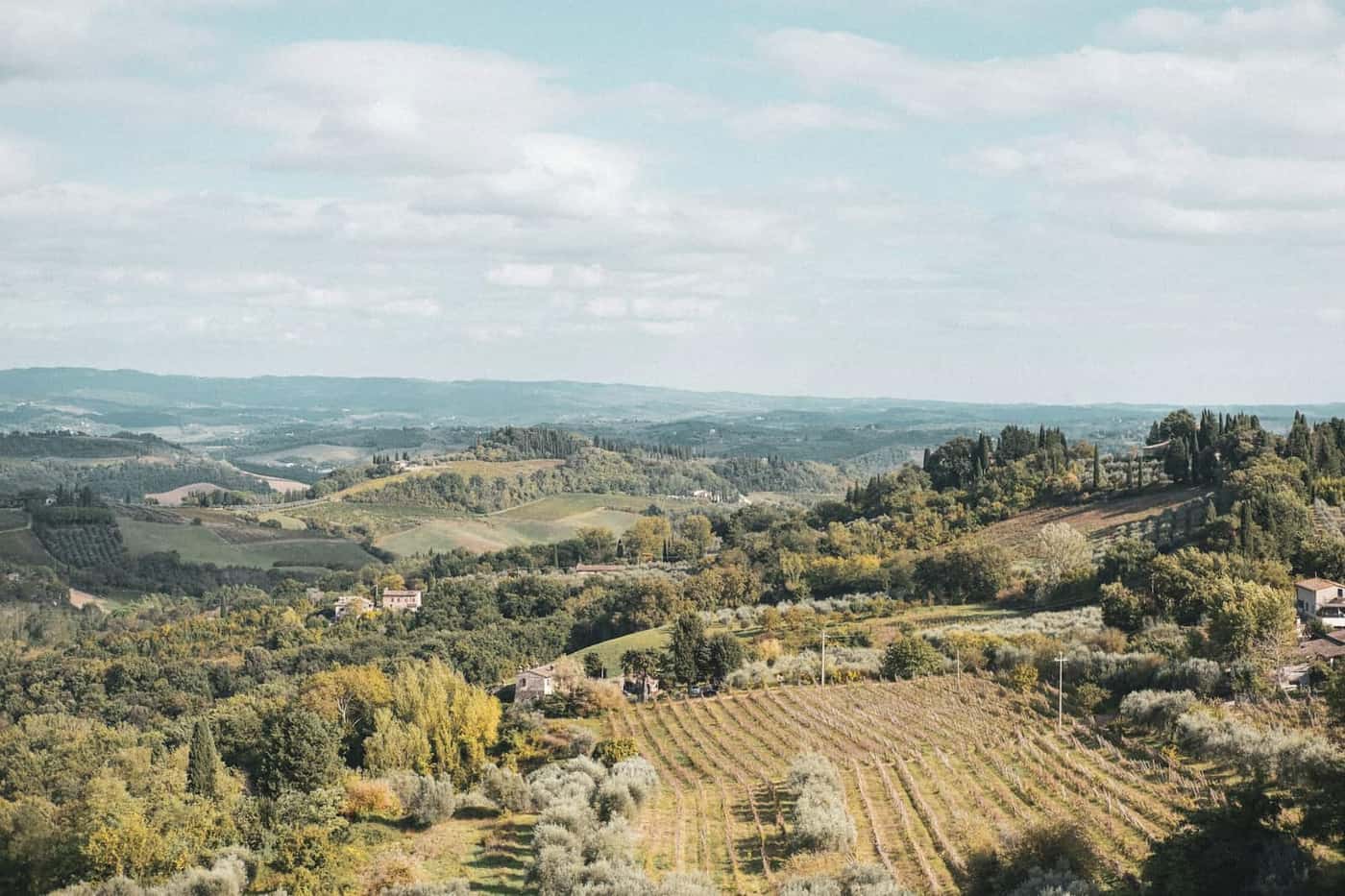 ToscanaItaly
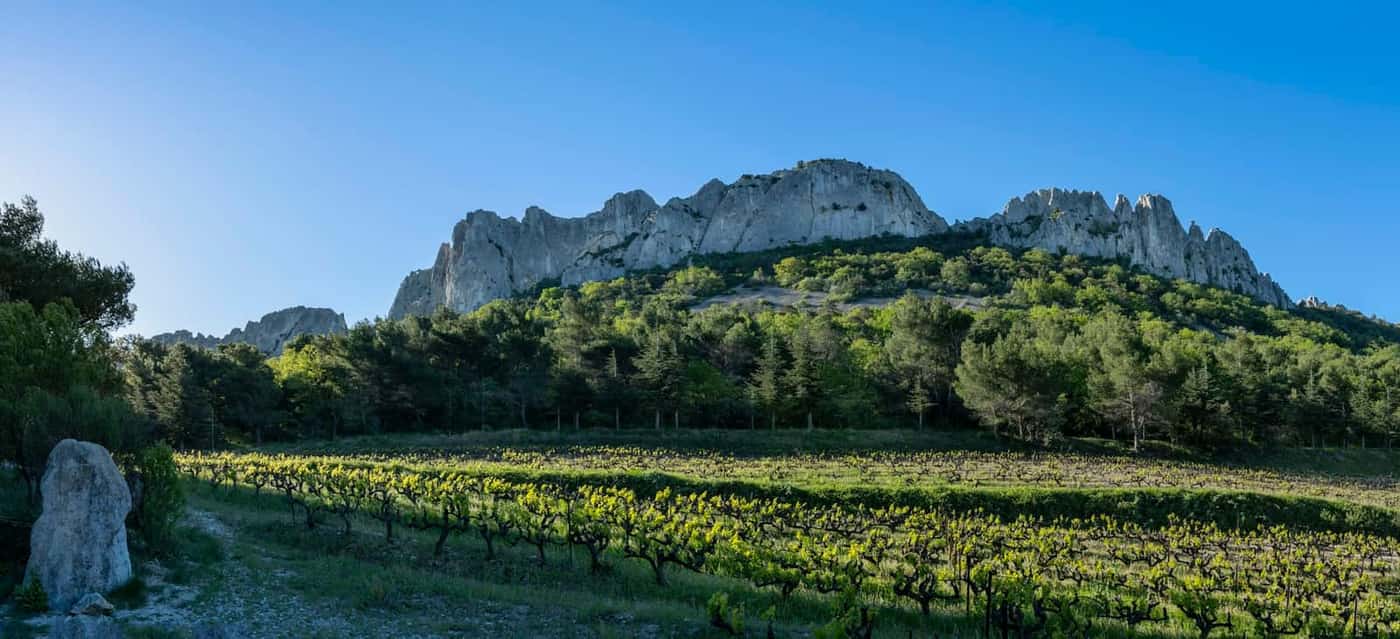 Vallée du RhôneFrance
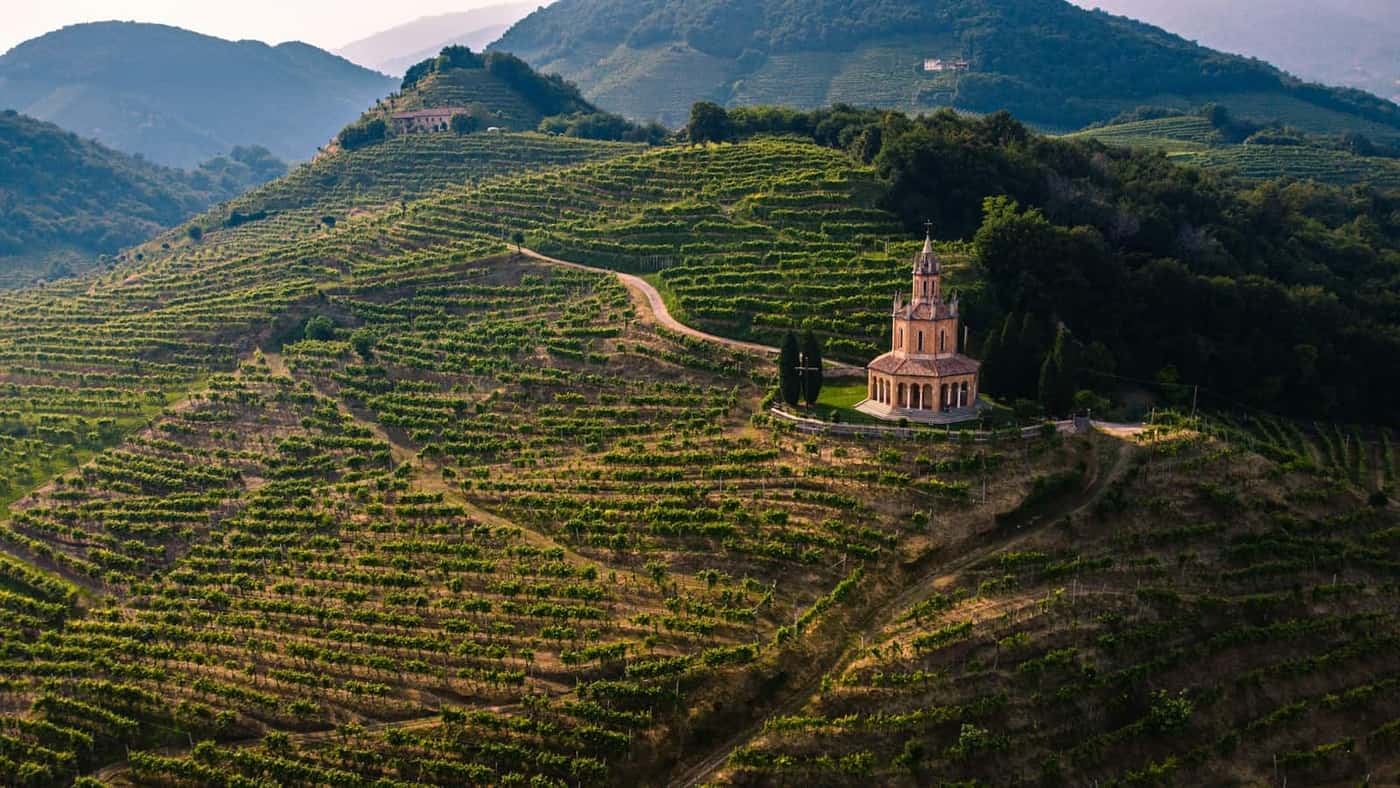 VenetoItaly
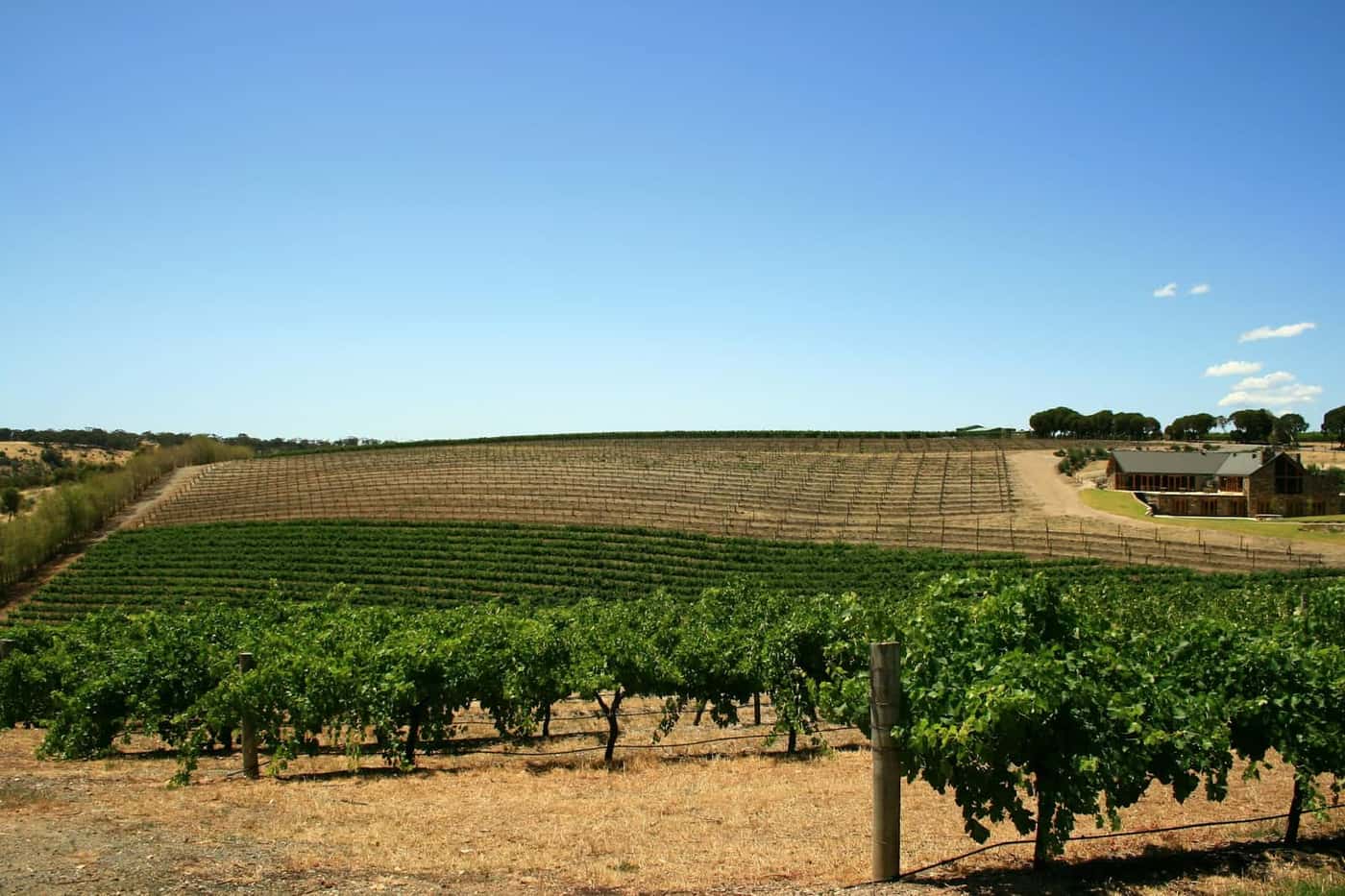 Barossa ValleySouth Australia, Australia
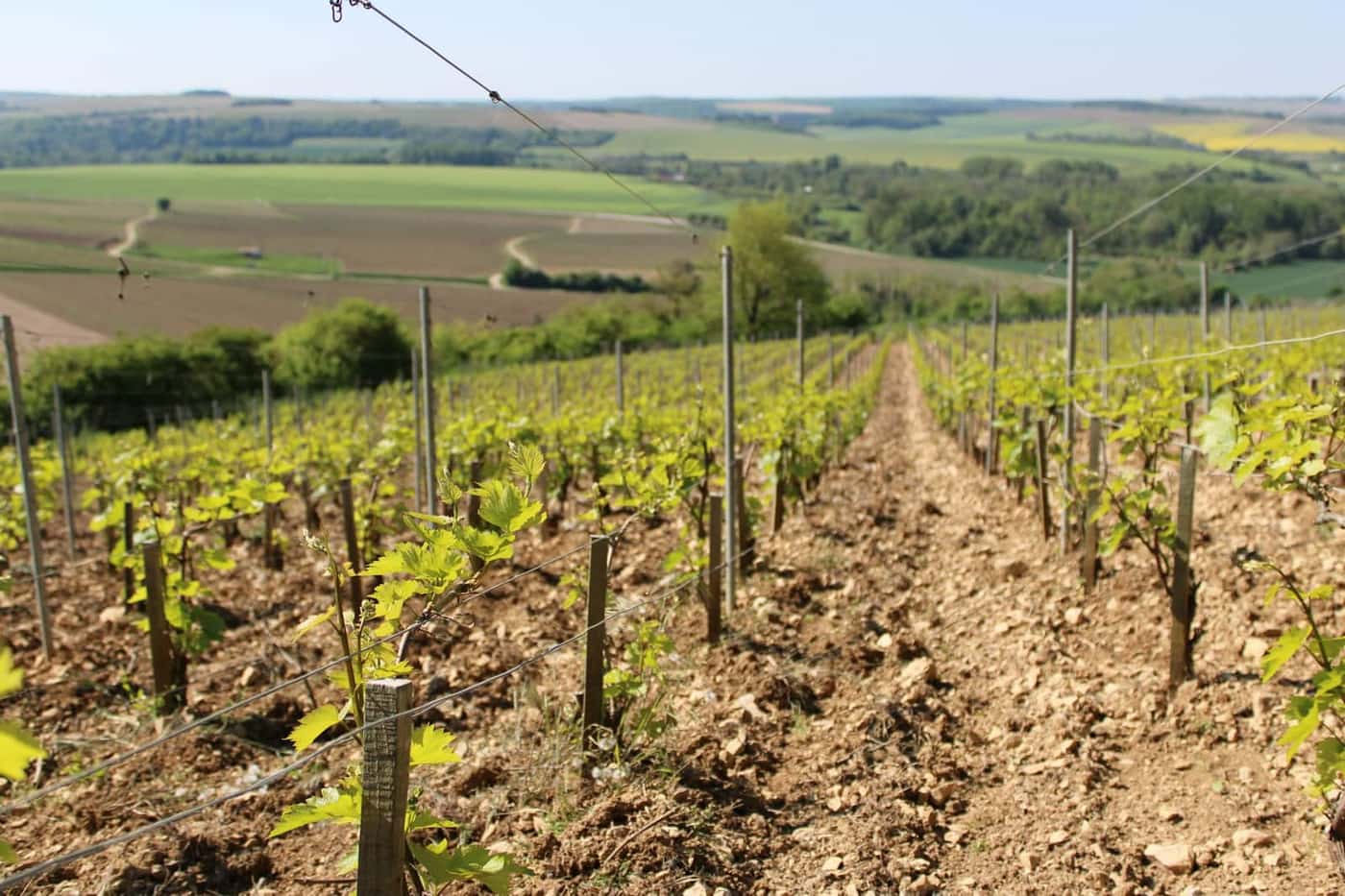 ChablisBourgogne, France
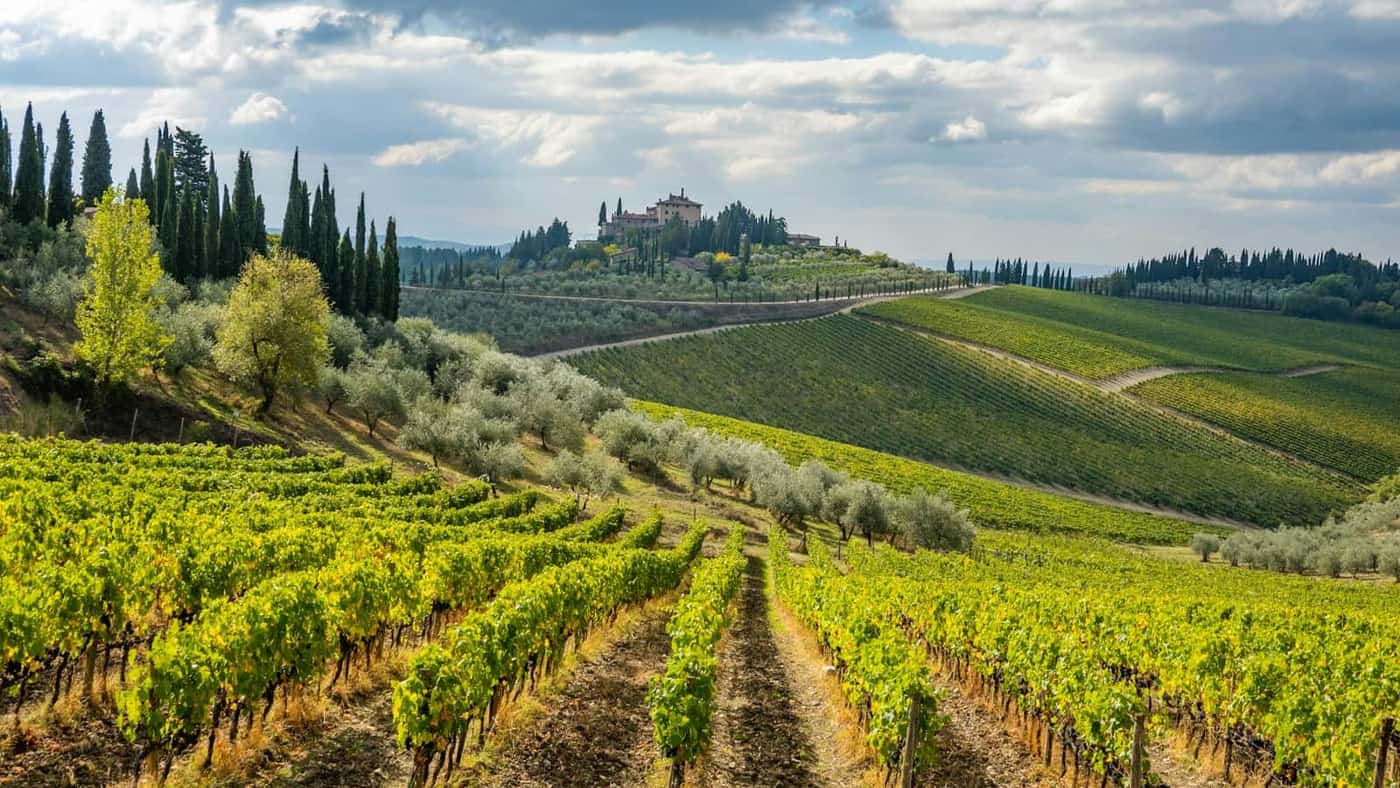 Chianti HillsToscana, Italy
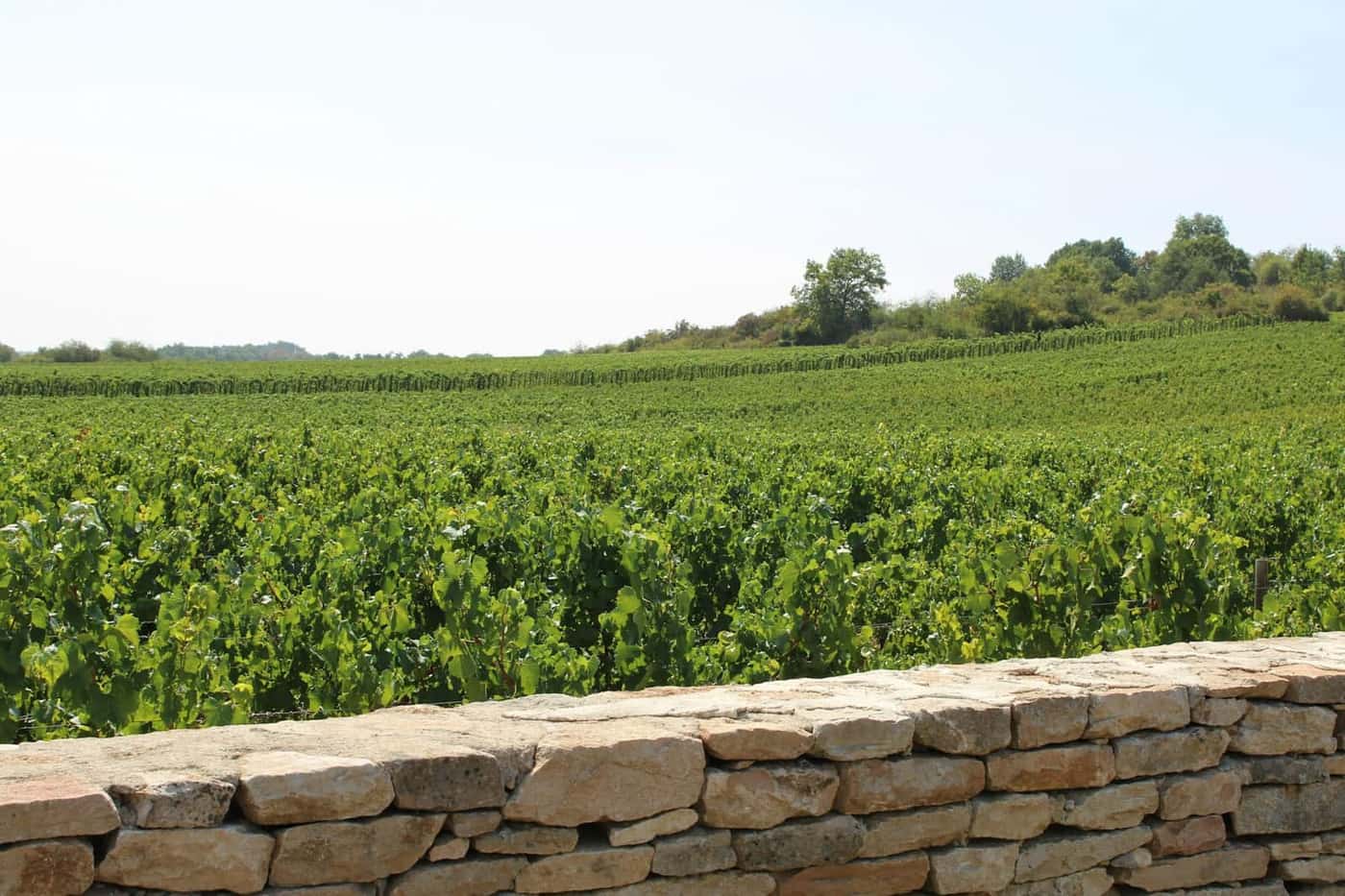 Côte de BeauneBourgogne, France
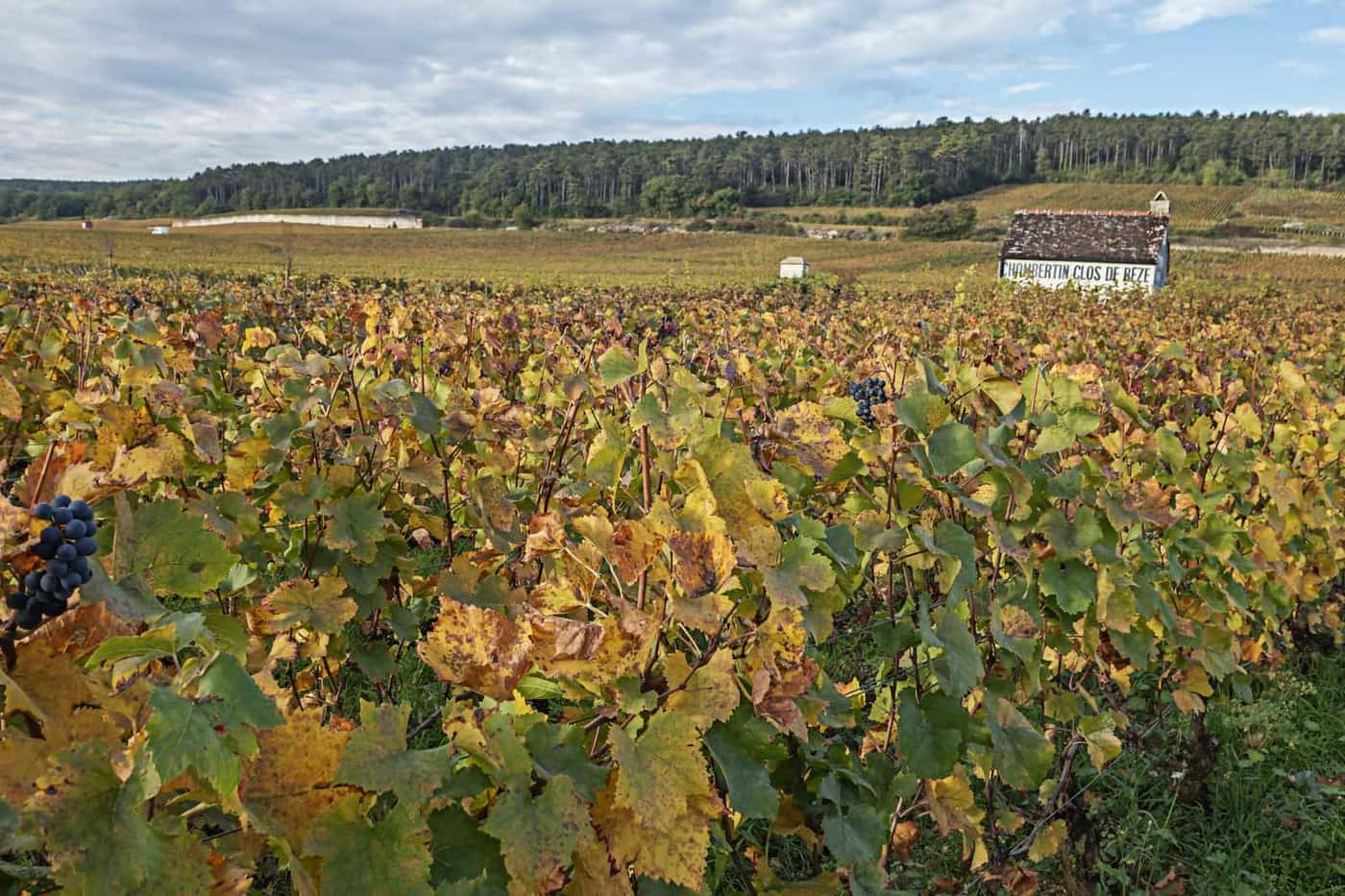 Côte de NuitsBourgogne, France
- Jerez (Sherry)Andalucía & South, Spain
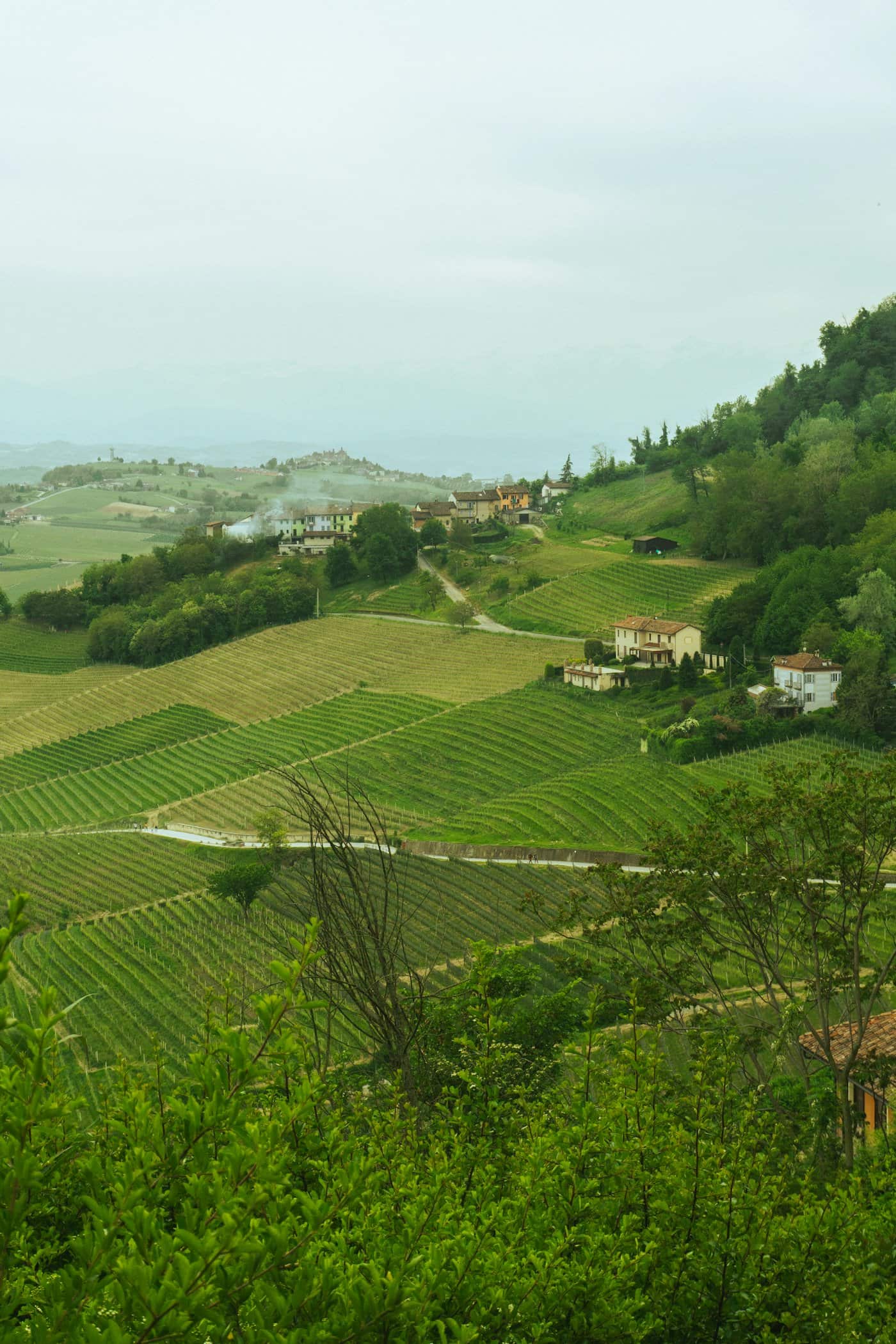 LanghePiemonte, Italy
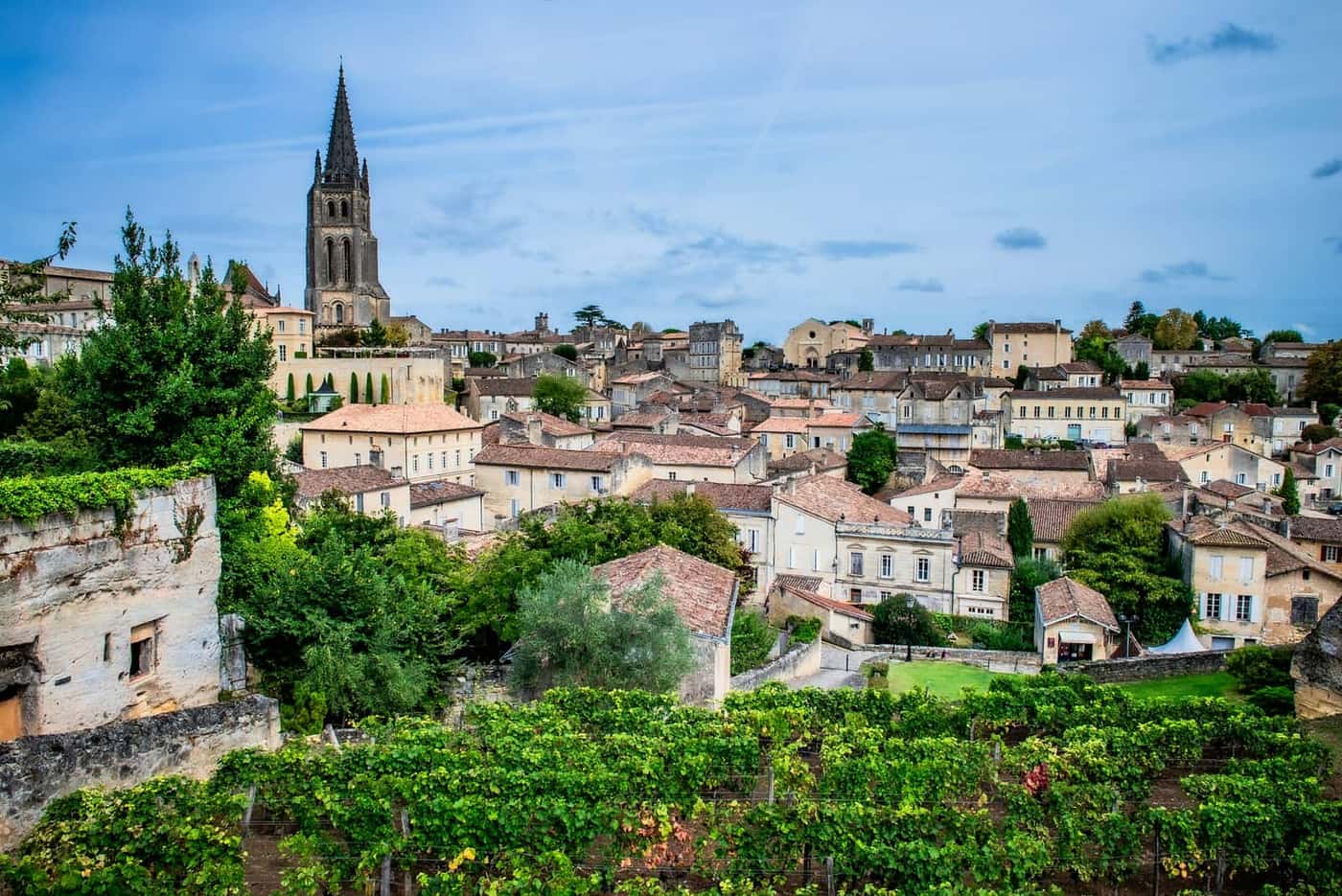 LibournaisBordeaux, France
- MédocBordeaux, France
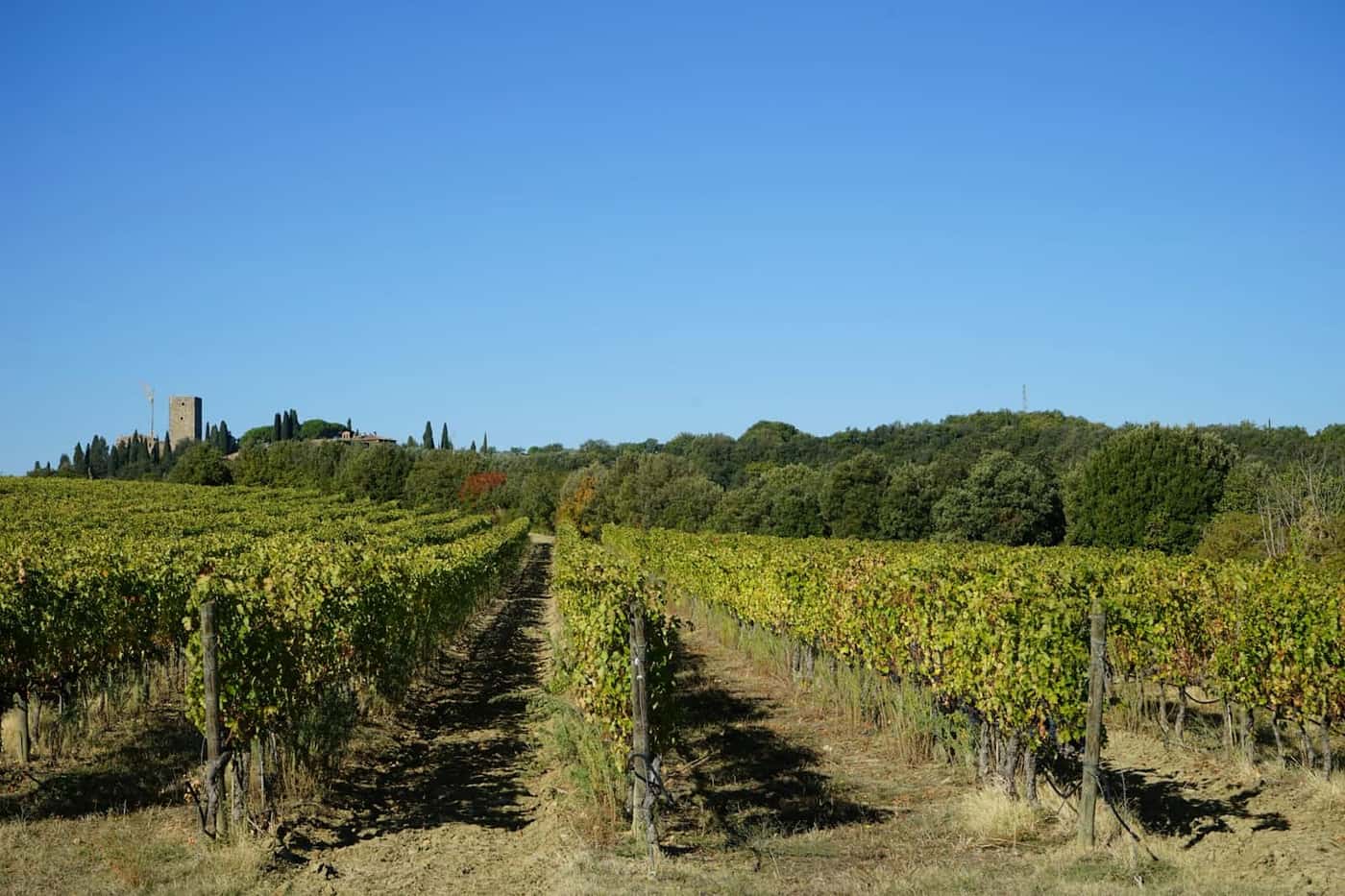 MontalcinoToscana, Italy
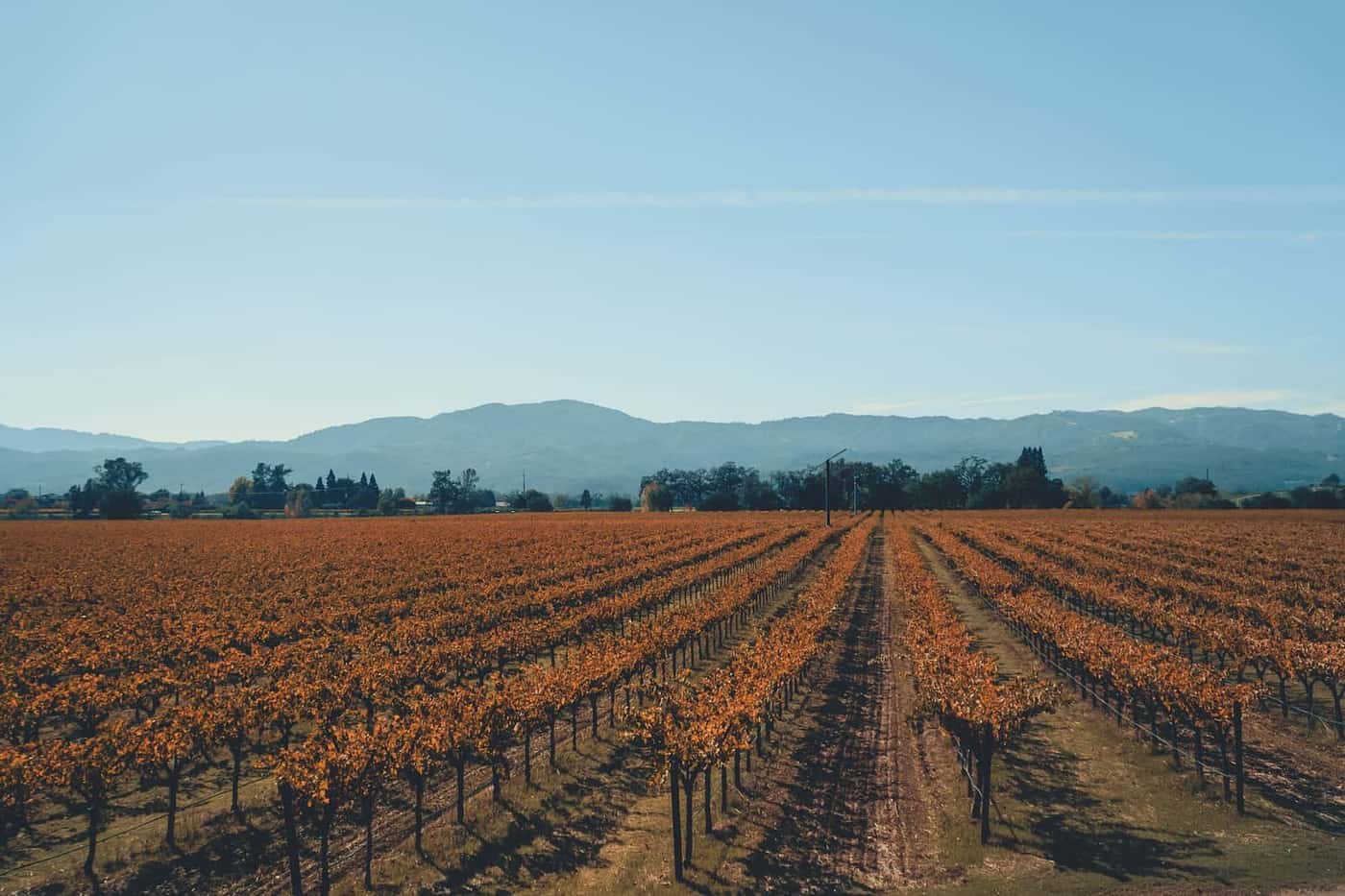 NapaCalifornia · North Coast, United States
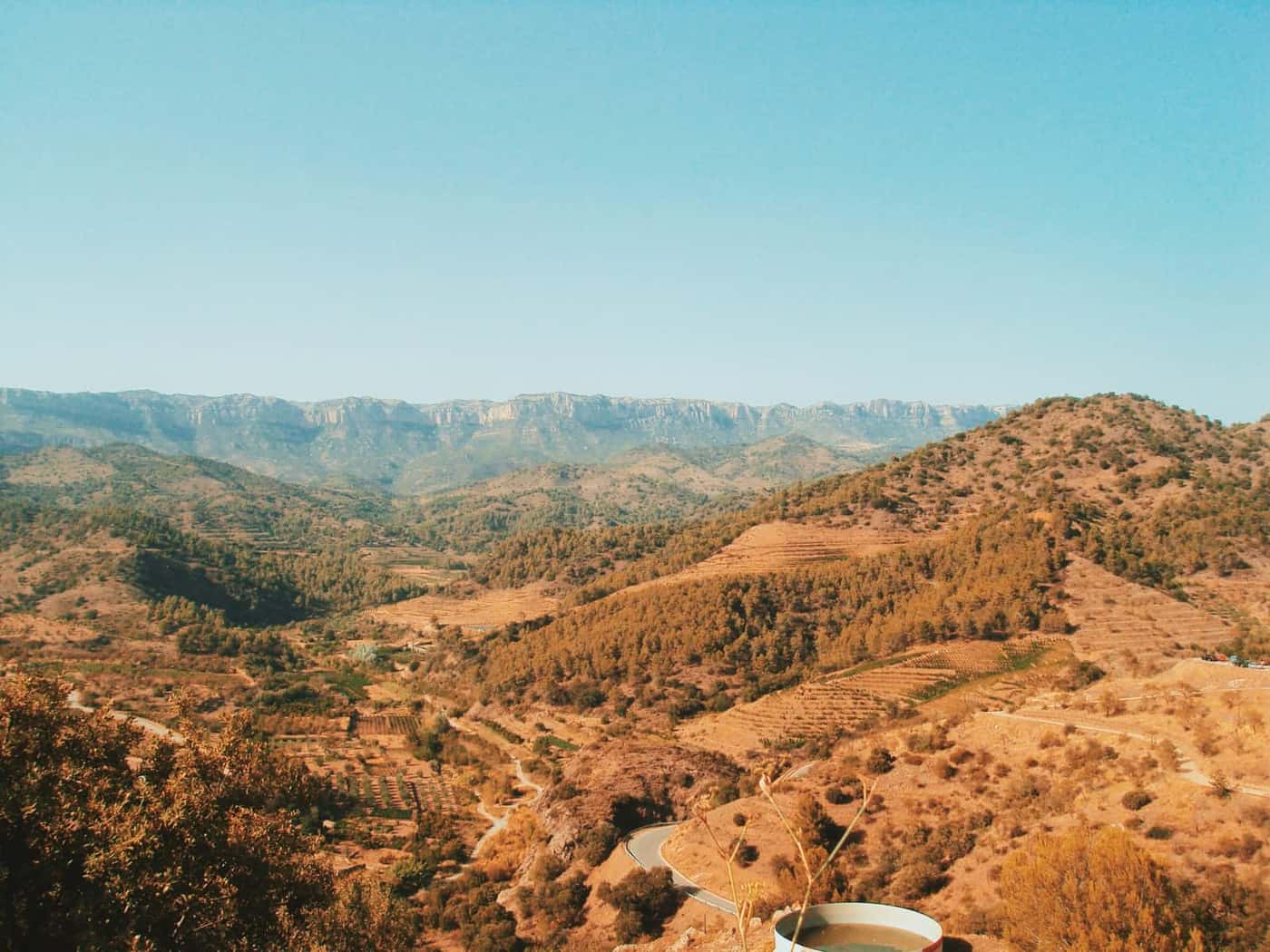 PrioratCatalonia, Spain
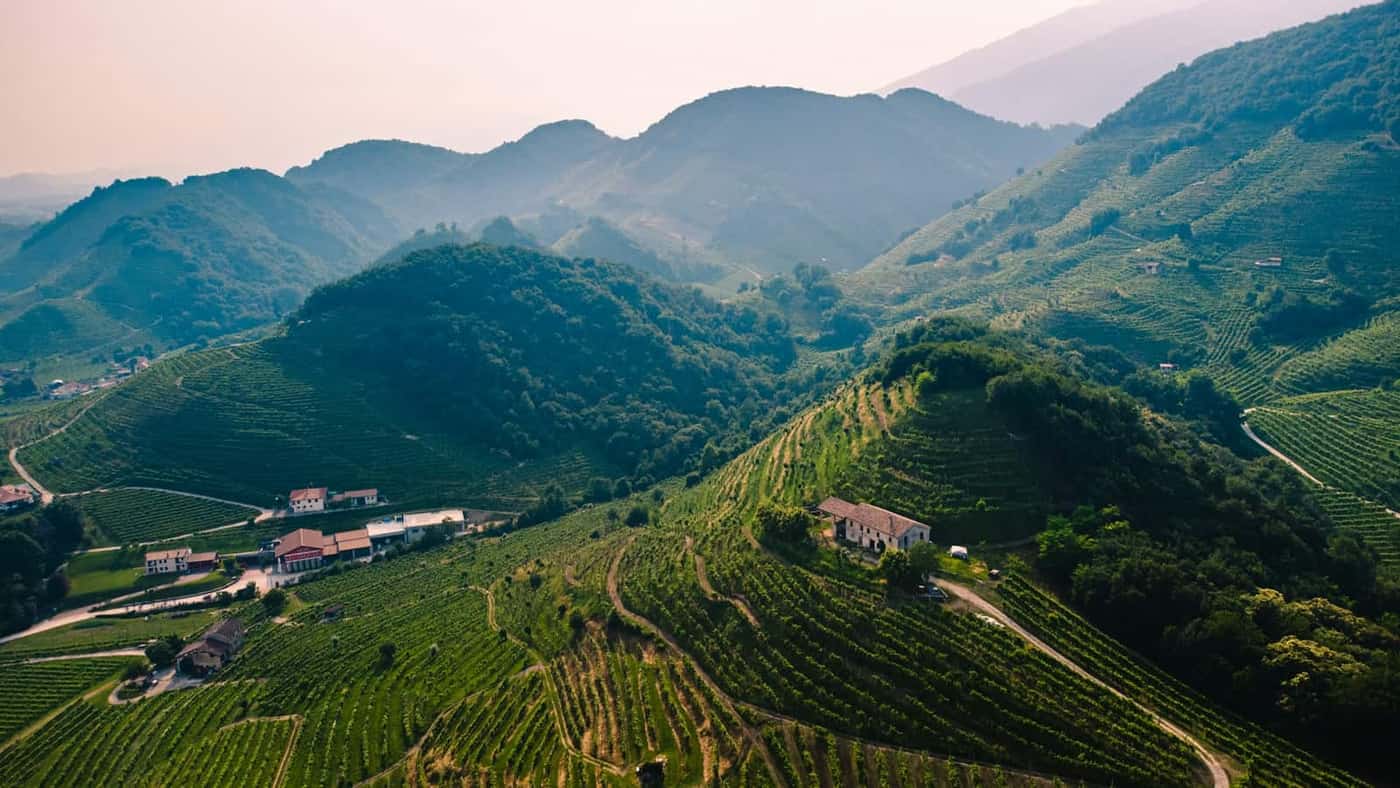 Prosecco — Conegliano-Valdobbiadene & Asolo (Treviso hills)Veneto, Italy
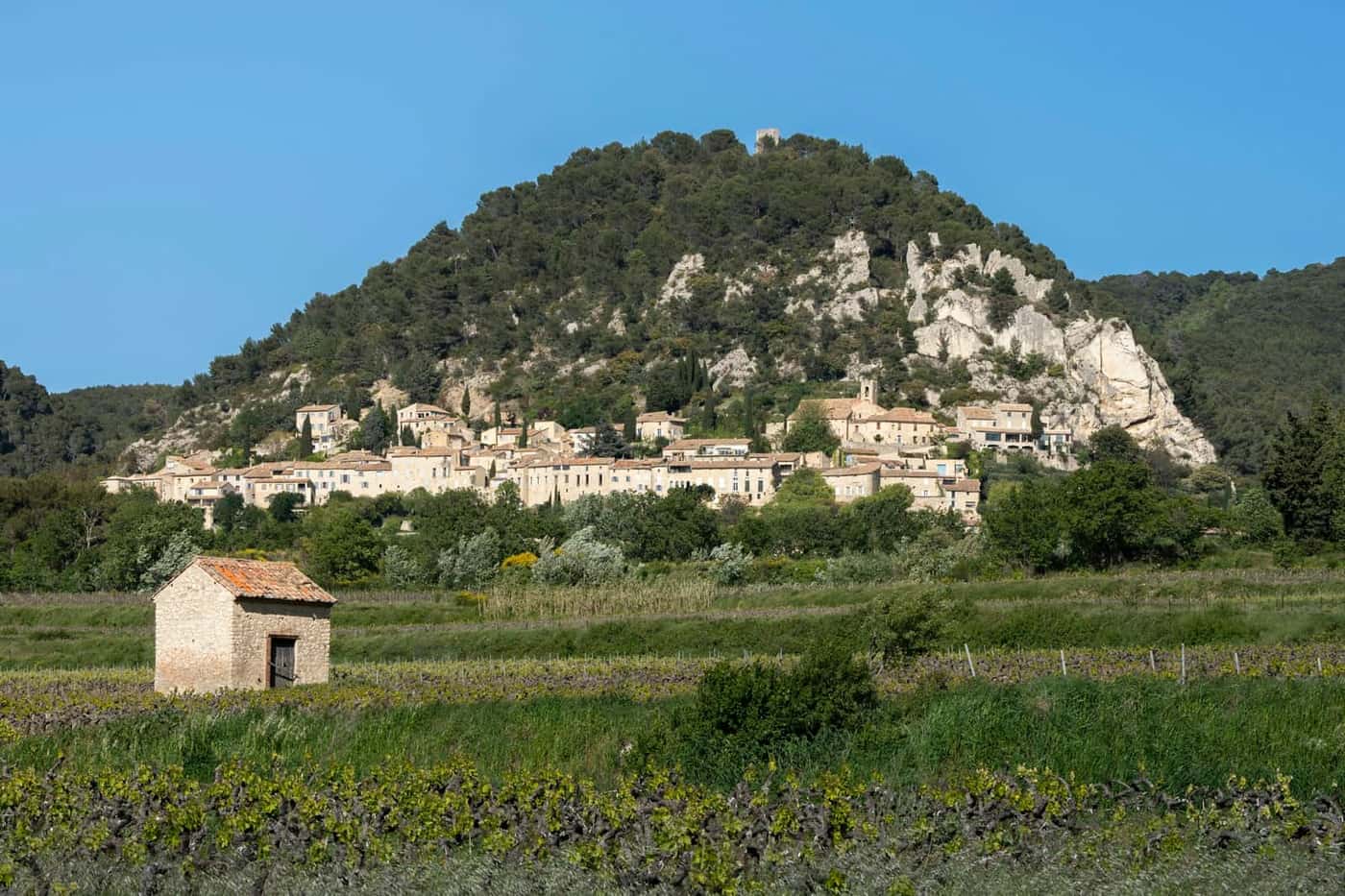 Rhône MéridionalVallée du Rhône, France
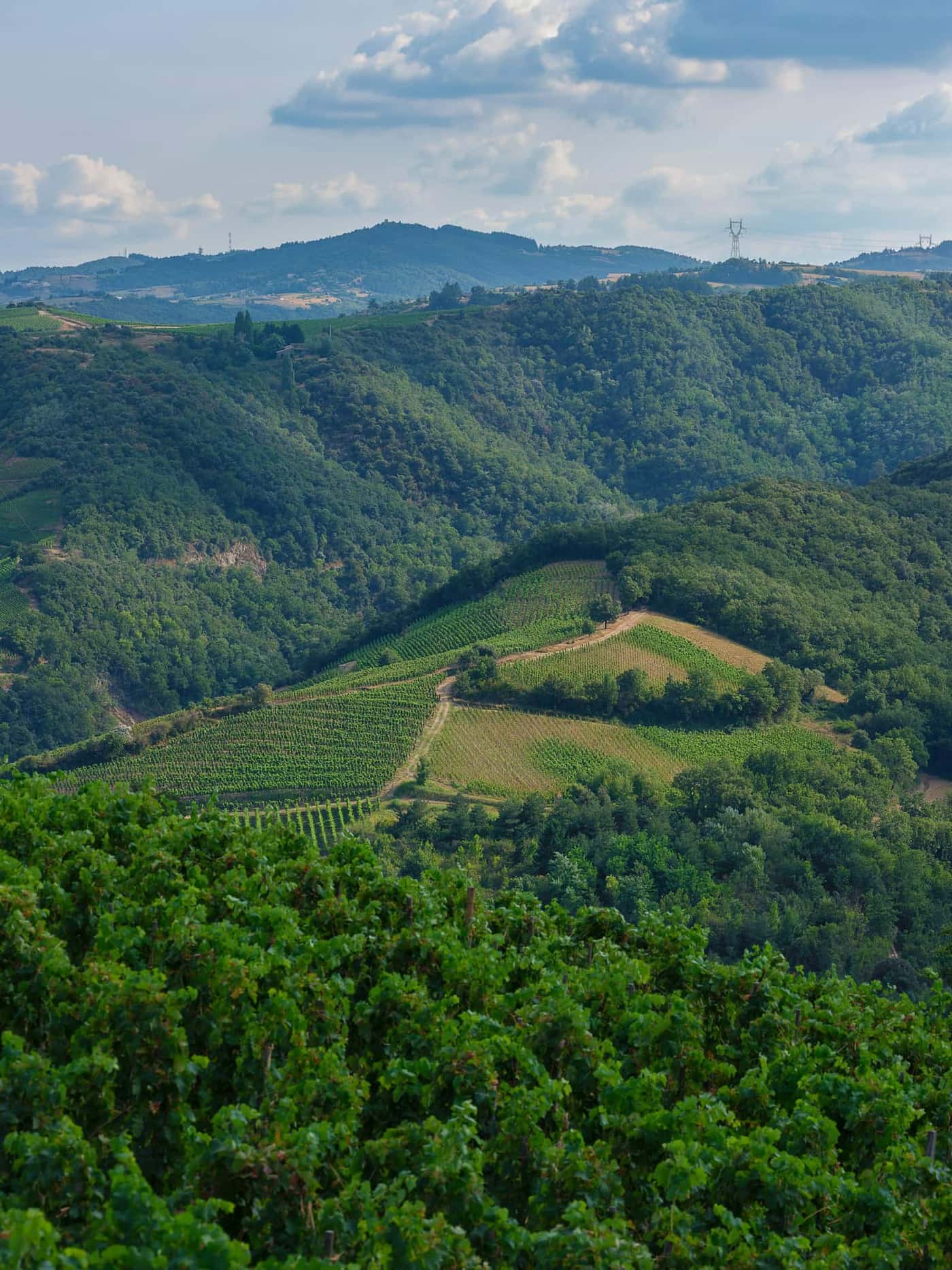 Rhône SeptentrionalVallée du Rhône, France
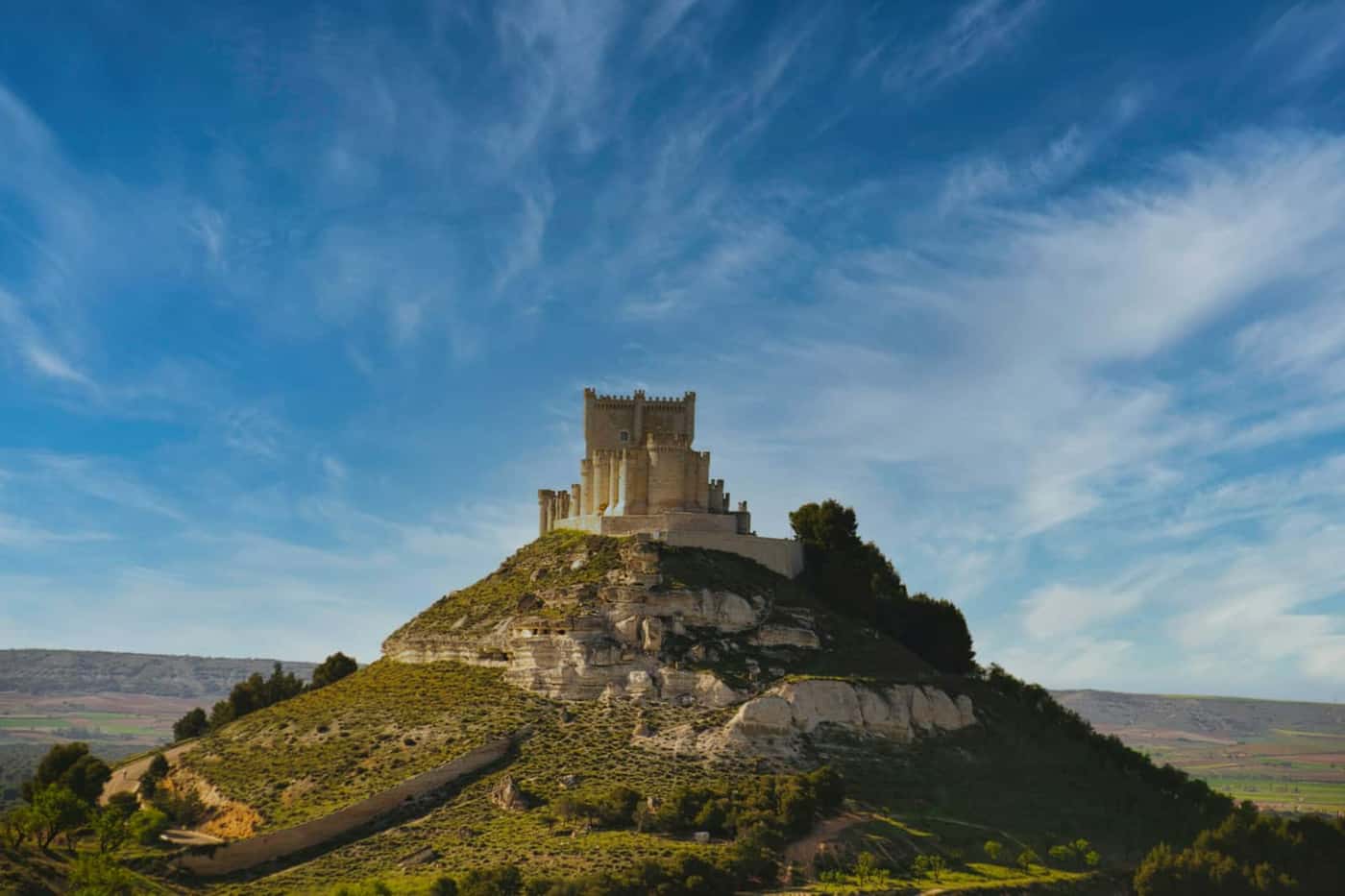 Ribera del DueroDuero & León, Spain
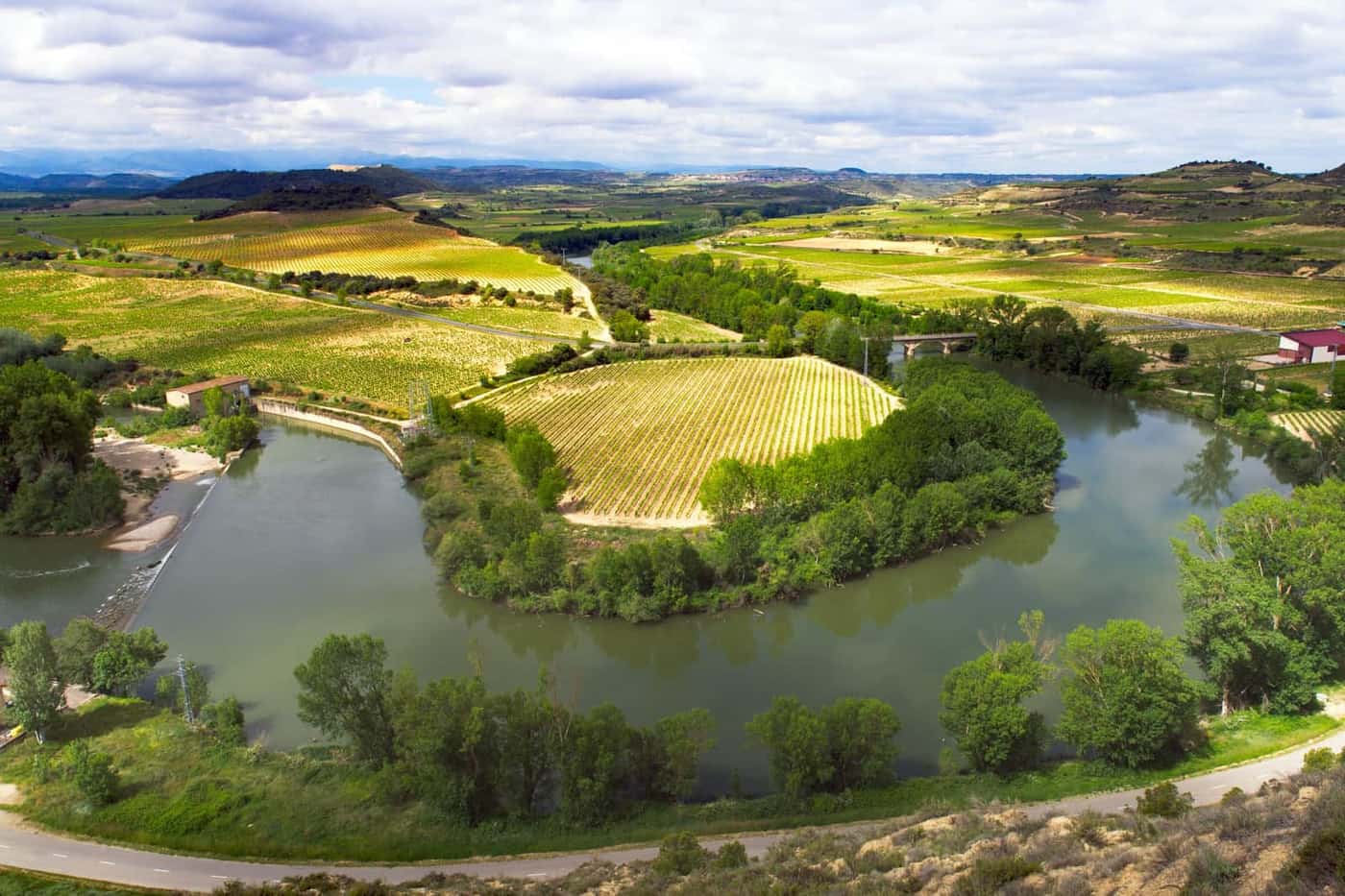 RiojaRioja & Ebro, Spain
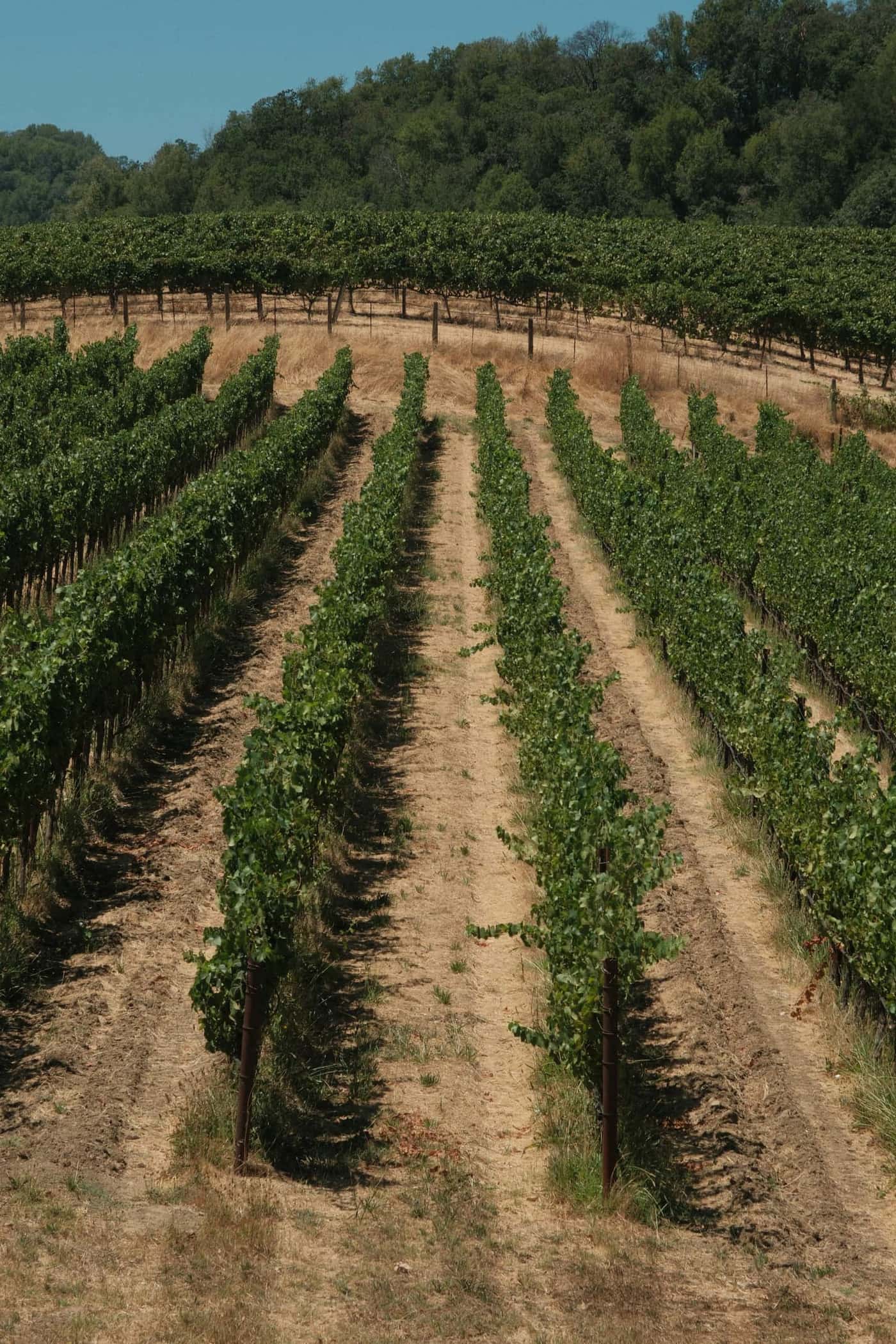 SonomaCalifornia · North Coast, United States
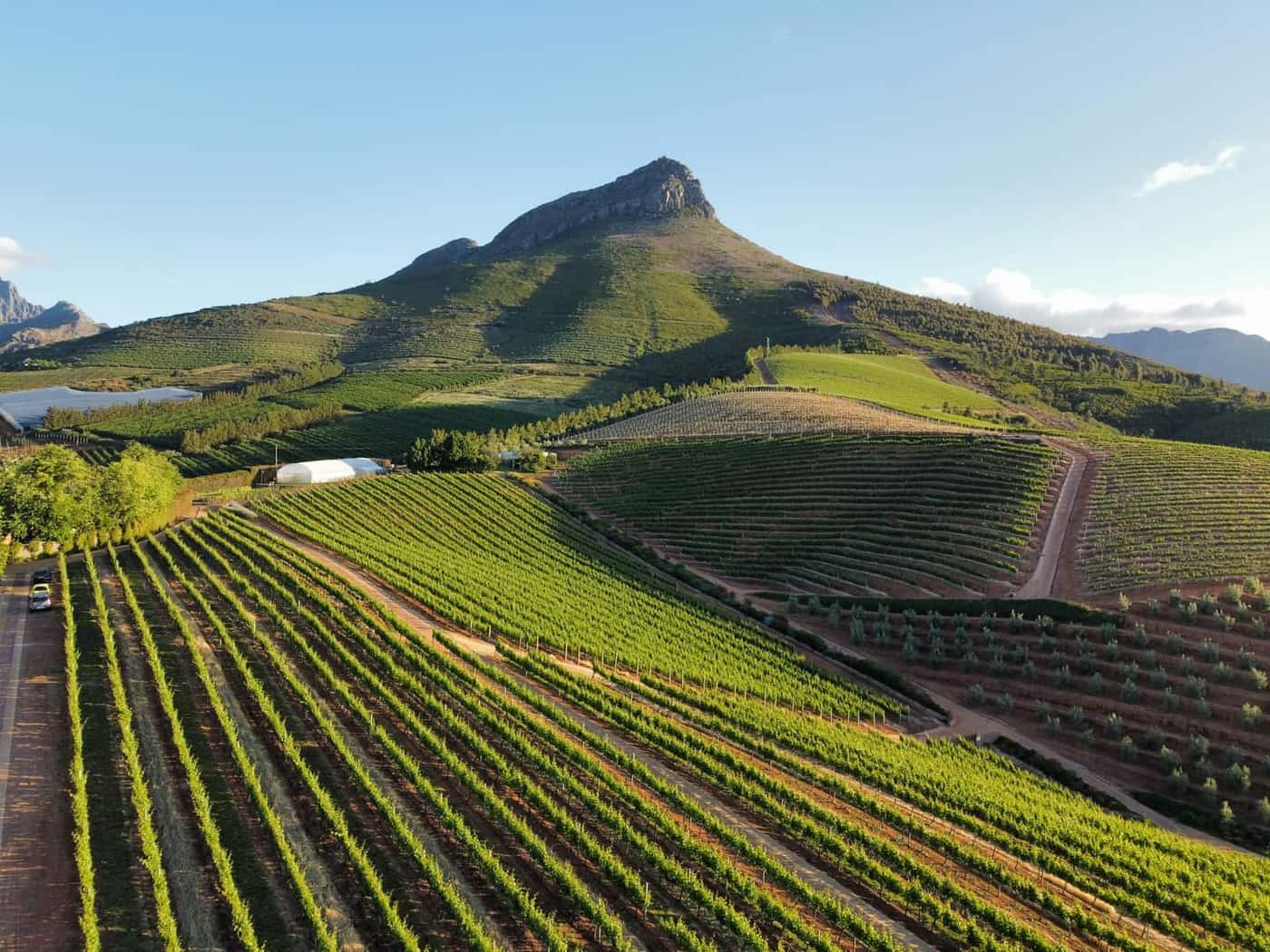 StellenboschCoastal Region, South Africa
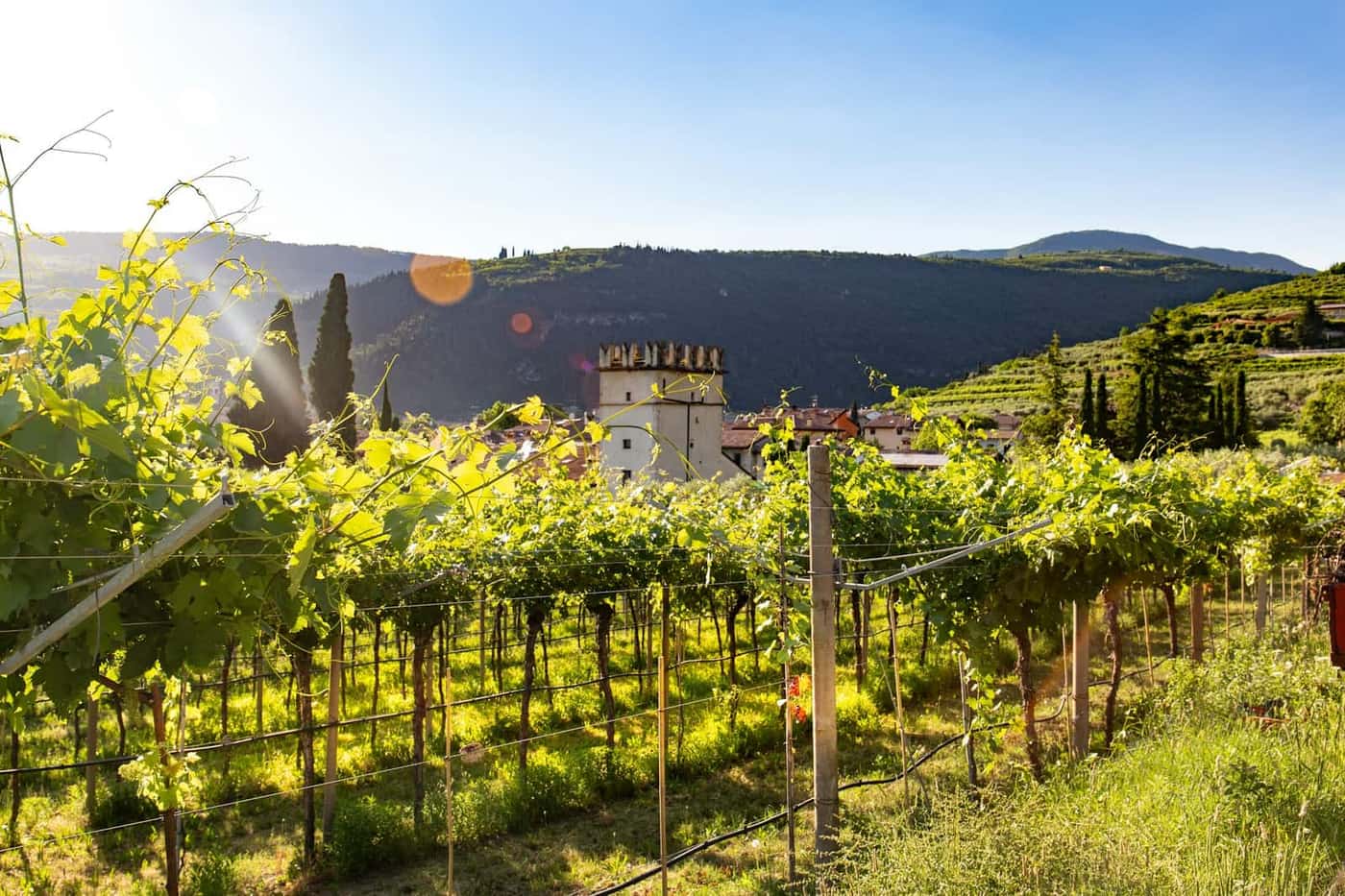 Valpolicella & Bardolino (Verona hills)Veneto, Italy
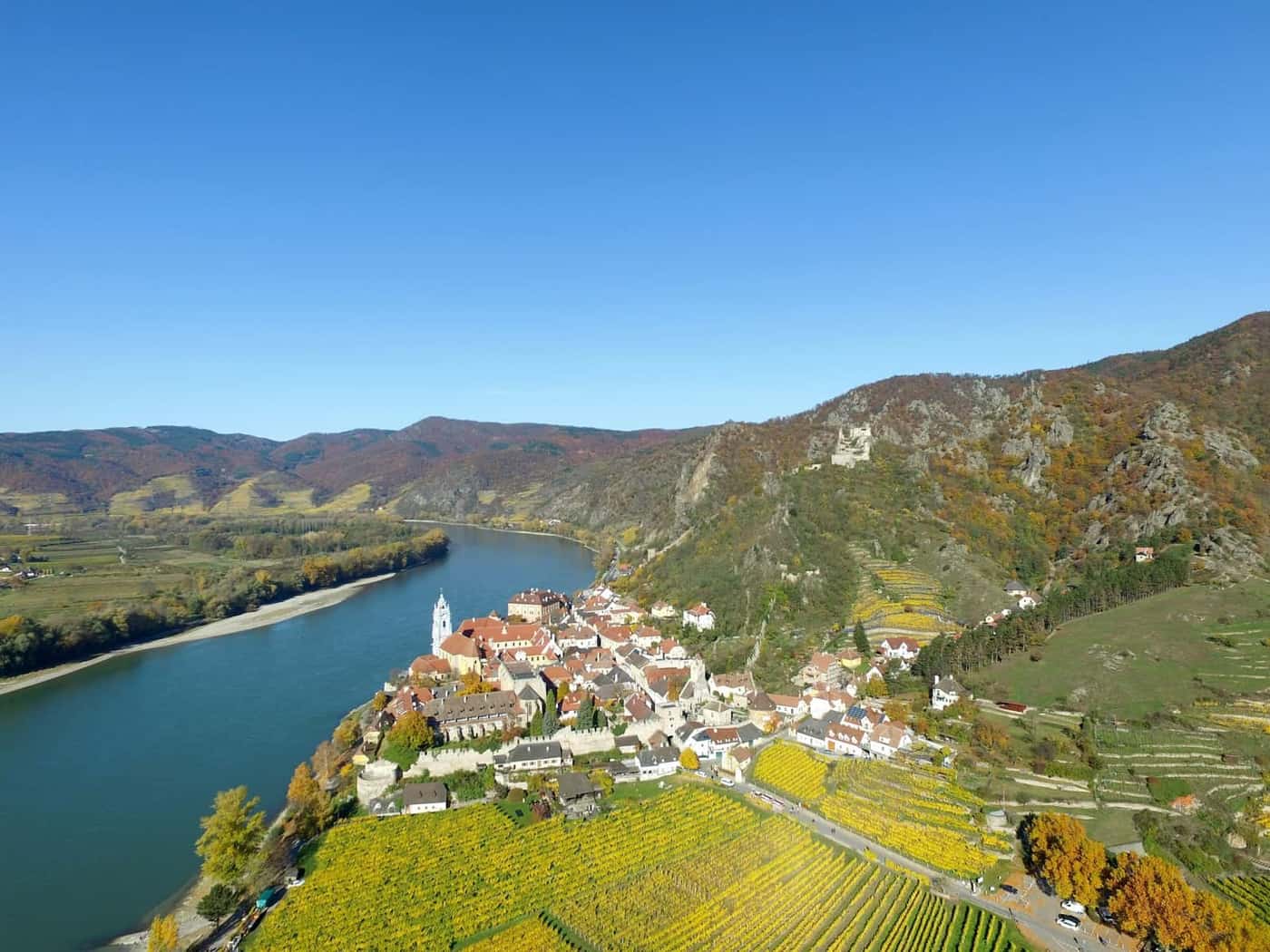 WachauLower Austria, Austria
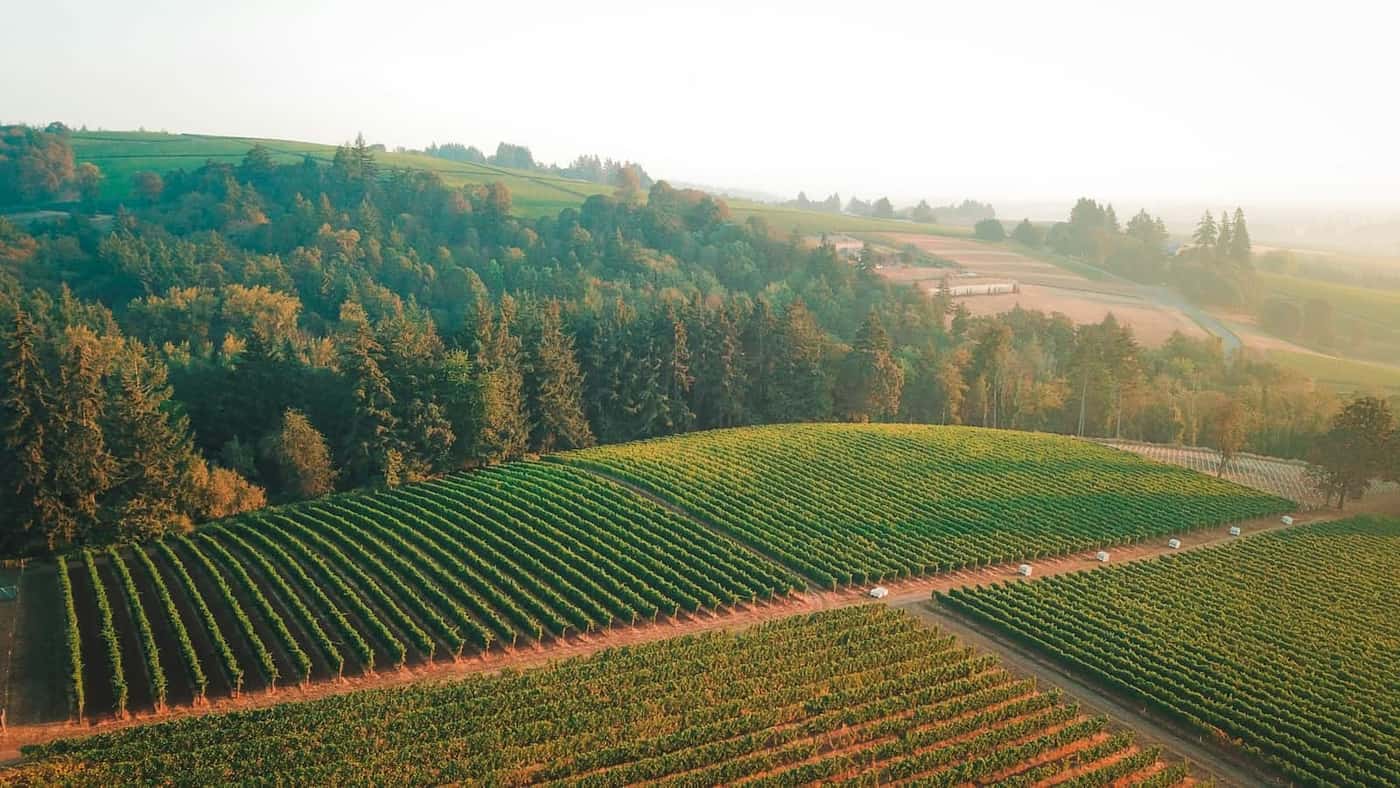 Willamette ValleyOregon, United States
Every place
Africa
- MoroccoNo producers listed yetMorocco’s vineyards stretch from Atlantic-influenced areas around Casablanca and Rabat to Fès-Meknès, Oriental and Marrakech-Safi inland. Coastal air and elevation can moderate the intense sun, with fresher styles among the wines.
5 regions in Morocco
- South Africa112 producersSouth Africa’s Cape vineyards extend from Stellenbosch and Paarl in the Coastal Region to Breede River Valley, Cape South Coast and Klein Karoo. Chenin Blanc, Cabernet and Pinotage are grapes to look for. Ocean winds and mountain corridors can cool vineyards in this warm part of the country.
6 regions in South Africa
Asia
- Armenia2 producersArmenia’s vineyards cluster around the Ararat Valley, Aragatsotn and high Vayots Dzor, with Tavush and Syunik farther out. Winegrowing has ancient roots here. Elevation, volcanic ground and sharply continental conditions vary across the regions.
6 regions in Armenia
- Cyprus7 producersCyprus’s vineyards climb from warm coastal areas into the Troodos foothills. Commandaria, Pitsilia and Krasochoria are names to look for. Mountain villages and local grapes are central to the island’s wines, which can retain freshness despite the sun.
- Georgia10 producersKakheti is Georgia’s main wine region. Farther west are Kartli, Imereti, Racha-Lechkhumi and Adjara-Guria. Local grapes and qvevri, buried earthenware wine vessels, distinguish the winemaking, with mountains, valleys and wetter conditions in the west adding regional differences.
6 regions in Georgia
- Israel1 producerIsrael’s wine regions run from cooler Galilee and the Judean Hills to Samson and the arid Negev. Altitude and exposure can matter as much as latitude. Cabernet, Syrah and Mediterranean varieties grow in these contrasting conditions.
5 regions in Israel
- Japan9 producersJapan’s vineyards stretch from cool Hokkaido through Yamagata and Nagano to Yamanashi, a well-known wine region. Koshu is a local grape to look for. Rainfall, altitude and latitude vary across the regions.
- KazakhstanNo producers listed yetKazakhstan’s vineyards are concentrated around Almaty, Jambyl and Turkistan in the south and southeast. Mountain foothills, dry continental conditions and large temperature changes shape the growing season.
3 regions in Kazakhstan
- ThailandNo producers listed yetThailand’s vineyards link northern Chiang Mai and Loei with Khao Yai, Hua Hin and Kanchanaburi farther south. Elevation and carefully timed growing seasons help growers work within a tropical climate.
5 regions in Thailand
- TurkeyNo producers listed yetTurkey’s vineyards span Thrace, the Aegean, Central Anatolia and the high east. Coastal areas, inland plateaus and high elevations offer different growing conditions, with local grapes across the regions.
4 regions in Turkey
Europe
- AlbaniaNo producers listed yetAlbania’s vineyards run from Shkoder in the north to Berat and Korca, then south towards coastal Vlore. Mountains and inland valleys sit alongside areas influenced by the Adriatic.
- Austria88 producersAustria’s wine regions follow the Danube east towards Burgenland, with Lower Austria’s terraces and Styria’s hills among the cooler areas. Look for Grüner Veltliner and Riesling among the whites, and Blaufränkisch and Zweigelt among the reds. Wines can become fuller towards the warmer eastern areas.
8 regions in Austria
- BelgiumNo producers listed yetBelgium’s wine regions span Flanders and Wallonia, from Hageland and Heuvelland to Maasvallei Limburg and Sambre-et-Meuse. The cool northern climate suits fresh wines, including sparkling styles.
- Bulgaria8 producersBulgaria’s wine regions stretch from the Danubian Plain and Black Sea Coast to the Thracian Lowland and Struma Valley. Coastal wines can be fresher, while warmer southern valleys favour fuller reds. Look for Mavrud, Rubin and Cabernet among those reds.
5 regions in Bulgaria
- Croatia3 producersCroatia’s wine regions divide between Adriatic Istria and Dalmatia and the inland Croatian Uplands, Slavonia and Danube. Malvazija Istarska and Teran are coastal grapes to look for; Graševina is an important inland name.
- Czechia10 producersCzechia has two main wine regions, Bohemia and Moravia. Moravia contains the larger network of named districts; Bohemia is the smaller region to the north.
- Denmark2 producersDenmark has a small modern wine industry, with Dons among the places to explore. Cool growing seasons and long summer days favour fresh styles.
2 regions in Denmark
- France1244 producersFrance’s vineyards run from Champagne in the north to Provence and Languedoc by the Mediterranean. Pinot Noir and Chardonnay are central to Bourgogne; Cabernet Sauvignon and Merlot to Bordeaux. The place name on a French label often tells you which grapes and wine styles to expect.
- Germany144 producersGermany’s vineyards follow river valleys and slopes, from the Mosel and Rheingau to Pfalz, Rheinhessen and Baden. Riesling ranges from brisk wines with slate-like notes to fuller southern styles. Pinot Noir is more important in warmer areas.
- Greece24 producersGreece’s wine regions include Macedonia and the Peloponnese, Crete and the Aegean islands. Assyrtiko, Xinomavro and Agiorgitiko are grape names to recognise. Wind, altitude and exposure to the sea vary across these Mediterranean vineyards.
- Hungary14 producersHungary’s wine regions extend from Tokaj and Eger to Lake Balaton, Pannon and the Danube. Furmint is important in the north and east, while Kékfrankos and Cabernet grow in warmer areas farther south. Volcanic sites, vineyards near the lake and inland areas provide different growing conditions.
7 regions in Hungary
- Italy650 producersItaly's vineyards stretch from Alpine valleys to Sicily and Sardegna. In Piemonte, Nebbiolo makes Barolo; in Toscana, Sangiovese leads Chianti. Veneto makes whites such as Soave and reds ranging from young Valpolicella to Amarone, made from dried grapes. Local grapes and production rules vary across the country's twenty regions.
21 regions in Italy
- Abruzzo
- Apulia
- Basilicata
- Calabria
- Campania
- Emilia-Romagna
- Friuli-Venezia Giulia
- Lazio
- Liguria
- Lombardia
- Marche
- Molise
- Other producers
- Piemonte
- Sardegna
- Sicily
- Toscana
- Trentino-Alto Adige
- Umbria
- Valle d'Aosta
- Veneto
- Colli Berici, Colli Euganei & Vicenza (Vicenza / Padova hills)
- Garda (eastern Lake Garda shore)
- Padova plain — Riviera del Brenta, Bagnoli & Corti Benedettine
- Piave, Lison & eastern plain (Treviso / Venezia)
- Prosecco — Conegliano-Valdobbiadene & Asolo (Treviso hills)
- Soave, Gambellara & Lessini (eastern Verona / western Vicenza)
- Valpolicella & Bardolino (Verona hills)
- LuxembourgNo producers listed yetLuxembourg’s vineyards follow the Moselle Luxembourgeoise, a compact growing area along the river.
1 region in Luxembourg
- MaltaNo producers listed yetMalta’s vineyards lie on the main island and Gozo. Mediterranean sunshine, sea winds and limestone landscapes are features of both islands.
- Moldova4 producersMoldova’s wine regions include Codru, Ștefan Vodă and Valul lui Traian. Codru occupies the wooded centre, followed by the warmer southeast and the southern steppe. Local and international grapes grow across these areas.
4 regions in Moldova
- Montenegro2 producersMontenegro’s vineyards extend from the Adriatic coast and Lake Skadar into the central and northern interior. Warm sites, limestone and nearby mountains provide different growing conditions. Vranac is the red grape to recognise.
4 regions in Montenegro
- NetherlandsNo producers listed yetThe Netherlands has small, cool-climate wine areas, from the hills of Mergelland and Vijlen to Achterhoek, Ambt Delden and Oolde. Soil and site conditions vary within this small vineyard area.
5 regions in Netherlands
- North Macedonia4 producersNorth Macedonia’s vineyards follow the Vardar River Valley, with Pcinja-Osogovo, Pelagonija-Polog and Strumica-Radovish around it. Warm sun, river valleys and mountain elevations bring different growing conditions. Vranec is a local red grape to look for.
5 regions in North Macedonia
- NorwayNo producers listed yetNorway’s emerging vineyards are scattered across southern and western sites, from Oslo and Vestfold to Rogaland and the west coast. Cool seasons and long summer days make sheltered slopes important.
5 regions in Norway
- PolandNo producers listed yetPoland’s vineyards stretch from Lower Silesia and Lubuskie to Lesser Poland, Sandomierz and Subcarpathia. Cool growing conditions favour fresh wines, while slopes and soils vary between these scattered regions.
5 regions in Poland
- Portugal119 producersPortugal’s wine regions run from Atlantic Vinho Verde to the Douro’s schist terraces, Dão’s granite and warm Alentejo. Madeira and the Azores lie offshore. Local grape names appear on many labels, alongside the regions where they grow.
- Romania3 producersRomania’s vineyards extend from Transylvania and Moldovan Hills to Dealu Mare, Banat and Black Sea-facing Dobrogea. Look for the Fetească grapes, as well as Cabernet and Merlot in warmer southern areas. Hills, altitude and coastal influence vary across the regions.
- Serbia4 producersSerbia’s wine regions run from Vojvodina in the north through Šumadija to the east and south. Vineyards lie near the Danube, on rolling hills and in warmer inland valleys. Local grapes grow alongside familiar international varieties.
- Slovakia1 producerSlovakia’s vineyards follow the Little Carpathians and Danube lowlands, with Nitra, Central Slovakia, Eastern Slovakia and Tokaj among its wine regions. Look for Riesling, Grüner Veltliner and Frankovka. Hillside wines tend to be fresher, while lower, warmer areas can give fuller styles.
- Slovenia7 producersSlovenia has three main wine regions: Primorska near the Adriatic, cooler Podravje in the northeast and Posavje in the southeast. Rebula and Teran are coastal grape names to recognise, while Furmint and Sauvignon Blanc are associated with fresher eastern styles.
- Spain404 producersSpain’s vineyards extend from rainy Atlantic Galicia across the high interior to Rioja, Catalonia and sunny Andalucía. Tempranillo, Garnacha and Albariño are grape names to recognise. Altitude and proximity to the coast can help preserve freshness in warm regions.
- Sweden35 producersSweden’s vineyards are concentrated in the south, led by Skåne and Halland, with Gotland and a few regions farther north. Long summer days and a cool growing season favour fresh styles. Site choice and hardy grapes are especially important.
6 regions in Sweden
- Ukraine10 producersUkraine’s vineyards stretch from Zakarpattia and Chernivtsi in the west to Odesa and the Black Sea in the south. Continental seasons, coastal influence and varied soils distinguish these regions, alongside local grapes and long-established winemaking traditions.
7 regions in Ukraine
- United Kingdom9 producersThe United Kingdom’s vineyards are concentrated in South East England, with its chalk and gentle slopes. Winegrowing also extends through Wessex, East Anglia, the West Country and Wales. Sparkling wine is a leading style, with cool growing conditions preserving acidity.
8 regions in United Kingdom
North America
- Canada2 producersCanada’s vineyards stretch from British Columbia’s western valleys to Ontario and Prince Edward County beside the Great Lakes. Long summer days and cold winters shape the growing season, with local conditions moderating the temperatures. Riesling, Chardonnay, Pinot Noir and icewine are wines to look for.
3 regions in Canada
- Mexico2 producersMexico’s vineyards run from Baja California’s Pacific-influenced valleys to Coahuila, Chihuahua, Querétaro and the central highlands. Many regions combine desert conditions and strong sun with altitude and cooler nights.
- United States125 producersCalifornia leads wine production in the United States, alongside regions in Oregon, Washington and New York. Fog, rain shadows and river valleys create different growing conditions. Cabernet, Chardonnay and Pinot Noir vary by state and local area, so read the named growing area on the label.
Oceania
- Australia60 producersAustralia’s wine regions differ in how much cooling they receive. Barossa Shiraz and Coonawarra Cabernet are familiar wines from South Australia. Across Victoria, Western Australia and Tasmania, ocean air and altitude can moderate the heat.
7 regions in Australia
- New Zealand34 producersNew Zealand’s vineyards stretch from Northland and Auckland to Marlborough, Canterbury and Central Otago. Marlborough is known for Sauvignon Blanc, while Central Otago is associated with aromatic Pinot Noir. The long north-to-south span brings distinct growing conditions.
South America
- Argentina49 producersArgentina’s vineyards follow the Andes, with Mendoza at the centre and Salta, San Juan and Patagonia extending north and south. Malbec is a key grape to recognise. High-altitude vineyards often give fresher wines within this sunny country.
- BoliviaNo producers listed yetBolivia’s vineyards sit at high elevations, with Tarija and historic Cinti among the main growing areas. Cochabamba and Santa Cruz add other settings. The wines can combine freshness with intensity despite the strong sun.
4 regions in Bolivia
- Brazil2 producersBrazil’s vineyards grow in very different conditions, from the warm São Francisco Valley to high Serra da Mantiqueira. Elevation and harvest timing vary across these distant regions, so the place name helps you understand the wine.
3 regions in Brazil
- Chile32 producersChile’s wine regions run from Atacama and Coquimbo in the north through Aconcagua and the Central Valley to the South and Austral regions.
7 regions in Chile
- PeruNo producers listed yetPeru’s vineyards follow the Pacific side of the country, from Lima and Ica south through Arequipa, Moquegua and Tacna. Winegrowing overlaps with longstanding pisco production in this warm, dry landscape, where desert conditions and altitude vary between places.
- Uruguay5 producersUruguay’s vineyards extend from Río Platense and the Atlantic coast to rolling hills and basalt country inland. Tannat is a key grape to recognise. Ocean air, river influence and changing soils distinguish the growing areas.
Additional records
Country-level producer records that do not yet have a complete regional map.
- Eu6 producersBrowse producers from Eu and explore their wines.
- Finland3 producersBrowse producers from Finland and explore their wines.
- Golan Heights Israeli Settlement1 producerBrowse producers from Golan Heights Israeli Settlement and explore their wines.
- Kosovo5 producersBrowse producers from Kosovo and explore their wines.
- Lebanon8 producersBrowse producers from Lebanon and explore their wines.
- Switzerland9 producersBrowse producers from Switzerland and explore their wines.