
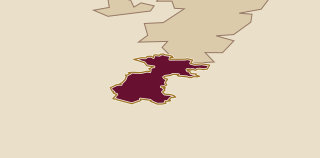
Gamay is the red grape of Beaujolais, south of Burgundy in France. Beaujolais and Beaujolais-Villages are broad wine designations. Further north, ten smaller areas have their own appellations, known as crus. Vineyards differ in altitude and soils, including granite. Morgon can make darker reds, particularly around Côte du Py. Fleurie is often more perfumed, while Moulin-à-Vent can be firmer and suited to ageing. Brouilly tends to be rounder; Côte de Brouilly, on a volcanic hill, can have stony or mineral notes. Lapierre, Foillard, Thévenet and Breton are producers associated with Morgon's revival of wines made with fewer cellar interventions.
2 named areas
Inside the region
Explore the wine-growing areas of Beaujolais.
- 01Beaujolais Regional3 producersBeaujolais and Beaujolais-Villages make bright, fruit-forward Gamay reds that are usually lighter than wines from the crus, the named village appellations. Chardonnay also makes white wines near the Mâconnais border.
- 02Les 10 Crus19 producersThe ten Beaujolais crus are named village appellations where Gamay changes character. Morgon can be darker and more mineral, Fleurie more perfumed, and Moulin-à-Vent firmer and more age-worthy.
Producer profiles
Start with these
Meet 4 producers from across Beaujolais.
- Jean FoillardJean Foillard makes Morgon with whole-bunch carbonic maceration, very low sulfur use and a signature of ripe fruit, mineral lift and silky tannin.
- Marcel LapierreMarcel Lapierre is a Villié-Morgon domaine founded in 1909, centred on Gamay Noir à Jus Blanc from Morgon and known for organic farming, whole-cluster carbonic maceration and two sulfur versions of one cuvée.
- Clos de la RoiletteFleurie estate with standard, late drinking and Burgundian barrel aged cuvées from the Coudert family.
- Château ThivinChâteau Thivin makes Côte de Brouilly wines from hand picked fruit, including Les Sept Vignes, a Gamay noir blend with some Chardonnay.