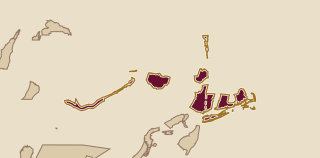
New York, Connecticut and Massachusetts have vineyards growing European and native American grapes, as well as cold-hardy hybrids bred from different vine species. Winter cold and frost matter across the area. In New York, early plantings of European vines struggled, and American grapes such as Concord and Delaware became important alternatives. European varieties are now more widely planted. The Finger Lakes is associated with Riesling and other whites that often have high acidity, lighter body and lower alcohol. Cabernet Franc is an important red grape in eastern New York, especially on Long Island. Connecticut's vineyards are scattered among small towns. Coastal Massachusetts has a maritime climate, with granite and soils left by glacial meltwater. Its wines can combine ripe fruit with bright acidity.
3 named areas
Inside the region
Explore the wine-growing areas of New York & New England.
- 01ConnecticutNo producers listed yetConnecticut's wine country is a spread of small-town vineyards across the state, rather than one concentrated basin.
- 02MassachusettsNo producers listed yetCoastal Massachusetts has maritime conditions and granite and glacial-outwash soils. Chardonnay, Pinot Noir and Riesling grow alongside Vidal Blanc and Cayuga.
- 03New YorkNo producers listed yetThe Finger Lakes and Long Island are New York's leading wine areas. Riesling is central to the Finger Lakes' modern reputation, while Cabernet Franc is especially important on Long Island.