
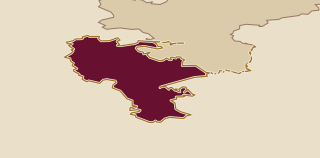
Marl, sandstone and limestone are widespread in Posavje’s vineyard soils. Its three districts are Dolenjska, Bizeljsko-Sremič and Bela krajina. Important red grapes include Modra Frankinja and Žametovka; whites include Laški Rizling and Kraljevina. Rumeni Plavec makes full-tasting whites in Dolenjska and Bizeljsko-Sremič. Modra Frankinja reds can have moderate to full body and a slightly spicy flavour. Dolenjska is known for light, low-alcohol Cviček with red-berry aromas. It also makes wines from individual grape varieties, rosés and sparkling wines with a second fermentation in the bottle. Bizeljsko-Sremič produces refreshing red and white Bizeljčan. In Bela krajina, the traditional wines Belokranjec and Metliška Črnina are light-bodied, and growers also work with Yellow Muscat and Blaufränkisch.
5 named areas
Inside the region
Explore the wine-growing areas of Posavje.
- 01Bela krajinaNo producers listed yetBela krajina is Posavje's warmest district, set between the Gorjanci hills and the Kolpa River. Its traditional wines are light-bodied, while large day-night temperature differences help aromatic wines retain freshness.
- 02BelokranjecNo producers listed yetBelokranjec is a traditional light-bodied wine from Bela krajina. Belokranjec PTP is sold in original packaging and cannot enter commercial circulation before 30 November of the grape-harvest year.
- 03CvičekNo producers listed yetCviček is a wine of Dolenjska in Posavje: light, low in alcohol and marked by red-berry aromas. It is especially associated with limestone and dolomite soils.
- 04DolenjskaNo producers listed yetDolenjska is Posavje's coldest wine-growing district and the home of light, low-alcohol Cviček. Its producers also make varietal wines, rosés and traditional-method sparkling wines, with Rumeni Plavec among the local white varieties.
- 05Metliška črninaNo producers listed yetMetliška črnina is a traditional light-bodied wine of Bela krajina, first bottled in 1968. Its PTP version must be sold in its original packaging and cannot be sold before 30 November of the harvest year.