NoleaWorld of Wine

Peru · Region section

Moquegua

Moquegua's valley has a long record of wine and aguardiente. Colonial vineyards supplied markets in Alto Peru, and archaeologists have identified 130 winery and processing sites across the valley. Its pisco-making knowledge and techniques form part of Peru's recognized cultural heritage, alongside current dry and semidry wines.

Place
Moquegua, Peru
Producers
0
Editorial basis
World of Wine regional guide
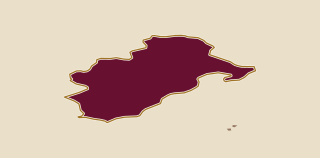
Atlas locationMoquegua · Peru16.92° S · 70.73° W

Producer coverage

No producers listed yet

We do not yet list a producer in Moquegua. The region guide, map and nearby wine places remain open to explore.

A 1570 order for 54 large earthen wine jars offers an early glimpse of grape growing in Moquegua's valley. Spanish colonists planted vines, and the local grape economy included both wine and distilled aguardiente.

Archaeologists have identified 130 winery and processing sites in the valley, with areas for pressing, fermenting and storing wine. Tinajas held wine in storage, while botijas carried it to the mining regions of Alto Peru, now Bolivia. By 1701, Moquegua was making aguardiente later known as pisco. Its pisco-making knowledge and techniques form part of Peru's recognized cultural heritage.

Today, the region makes dry and semidry wines, along with piscos and macerated spirits.

Inside the region

1 named area

Each guide keeps its place within Moquegua clear, with a direct route back to the map.

  1. 01MoqueguaNo producers listed yetMoquegua sits within Moquegua, Peru.

Keep following the thread

Where to go next

mapSee Moquegua in the AtlasKeep the surrounding places in view as you move closer.placeContinue to MoqueguaMoquegua is one of the named areas within Moquegua.learningHow place shapes wineSee how climate, landscape and local choices become part of a wine.