
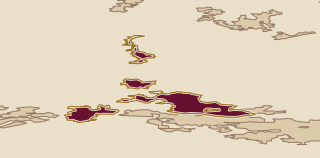
In the Vallée du Rhône south of Montélimar, vineyards spread across plains, terraces and hills. This wider landscape contrasts with the narrow stretch of river followed by the northern vineyards.
Côtes du Rhône is the broad regional appellation, or defined origin with production rules. Names such as Hermitage in the north and Gigondas in the south identify separate appellations within the valley.
Vallée du Rhône at a glance
Use these growing-area names, cellar steps and label terms when choosing a bottle.
Northern and southern Rhône wines
Grapes and wine styles
Both halves of the valley make red and white wine. Rosé has a separate appellation in Tavel.
Northern reds
The narrow valley and steep slopes of the north
Syrah is the red grape, interpreted differently across the named crus and by each producer.
Look forCôte-Rôtie · Saint-Joseph · Hermitage · Cornas
Northern whites
Small appellations woven through the northern crus
Viognier stands alone in Condrieu, while Marsanne and Roussanne shape other whites.
Look forCondrieu · Hermitage · Saint-Péray
Southern reds
The broader, warmer valley south of Montélimar
Grenache commonly leads blends supported by Syrah, Mourvèdre and other permitted grapes.
Look forChâteauneuf-du-Pape · Gigondas · Vacqueyras · Cairanne
Southern whites and rosé
Plains, terraces and hills across the southern valley
White blends use several permitted grapes. Tavel is an appellation devoted to rosé.
Look forCôtes du Rhône Blanc · Lirac · Tavel
Regional, village and cru appellations
Rhône appellations
These label names identify different areas and production rules, from regional Côtes du Rhône to individual crus.
Côtes du Rhône
The broad regional appellation covers red, white and rosé, with most production coming from the south.
Côtes du Rhône Villages
This category follows tighter rules and comes from a smaller production area.
Villages plus a place
Some wines add an authorised village name, narrowing the origin again without becoming a separate cru.
Cru appellation
A cru such as Gigondas or Cairanne normally appears under its own name rather than adding Côtes du Rhône to the front.
Rhône names on the label
Grapes and appellations
The appellation and colour help identify the wine. For a blend, check the producer’s description for the grapes and proportions.
Côte-RôtiePlaceHide explanationRead explanation
A northern red appellation based on Syrah
A small proportion of Viognier is permitted in the blend
CondrieuPlaceHide explanationRead explanation
A northern white appellation devoted to Viognier
The appellation tells you the grape directly
HermitagePlaceHide explanationRead explanation
A northern cru that makes both red and white wine
Check the colour: Syrah for red, Marsanne and Roussanne for white
Côtes du Rhône VillagesPlaceHide explanationRead explanation
A more restricted category than regional Côtes du Rhône
An authorised village name may make the origin more specific
Châteauneuf-du-PapePlaceHide explanationRead explanation
A southern cru permitting a broad range of grapes
Do not assume the exact blend from the appellation alone
TavelPlaceHide explanationRead explanation
A southern appellation devoted to rosé
It has a distinct identity from regional Côtes du Rhône rosé
Northern Rhône Syrah
Grapes and styles
Northern Syrah can have aromas of dark fruit, pepper, smoke, flowers and savoury notes. Wines range from fragrant and supple to dense and capable of long ageing. Ripeness and cellar choices affect the style, including whether producers ferment whole bunches with their stems, how much tannin they extract from the skins, and how they age the wine. Tannin is the drying grip you feel in your mouth.
Côte-Rôtie, Hermitage and Cornas are northern red-wine names to recognise. Saint-Joseph and Crozes-Hermitage cover larger areas and can offer more accessible introductions. The steepest vineyards need terracing and considerable manual work. Granite and related soils are common, though the slopes and local growing conditions vary.
Southern Rhône blends
Background
Grenache Noir is central to many southern reds, often blended with Syrah and Mourvèdre. Carignan and Cinsault are other important grapes. The permitted varieties depend on the appellation, and Châteauneuf-du-Pape allows a particularly broad range.
Gigondas and Vacqueyras are familiar red-wine names, while Rasteau makes dry reds and also has a tradition of fortified sweet wine. Lirac produces red, white and rosé. Cairanne, Vinsobres and Beaumes-de-Venise are other southern appellations to look for.
Côtes du Rhône and village wines
Everyday bottles
Côtes du Rhône is a practical choice for a regional wine. Most production comes from the south, and red blends are common, though white and rosé are also made. Côtes du Rhône Villages comes from a smaller area under tighter rules; some wines add an authorised village name.
A more specific origin does not tell you exactly how the bottle will taste. The producer, blend and vintage, or harvest year, matter too. If you enjoy a regional red, keeping the producer's name is useful when choosing another bottle.
White wines and Tavel rosé
What sets it apart
Condrieu and Château-Grillet make white wines from Viognier, an aromatic grape. Marsanne and Roussanne make the whites of Hermitage and appear in other northern appellations. Saint-Péray makes both still and sparkling whites.
Southern white blends can include Grenache Blanc, Clairette, Marsanne, Roussanne and Viognier, with the permitted grapes varying by appellation. Styles range from fresh regional wines to fuller whites capable of ageing. A back label or producer's description can tell you the blend when the appellation alone does not.
Tavel is devoted to rosé. Its wines are generally deeper in colour than the palest Provençal examples. Lirac and regional Côtes du Rhône also make rosé.
Regional names, villages and crus
Read the label
A cru such as Hermitage or Gigondas usually appears under its own appellation name, without Côtes du Rhône in front. Côtes du Rhône Villages, by contrast, is a regional category that may be followed by an authorised village name.
Check the colour alongside the appellation. Hermitage red is made from Syrah, while its whites use Marsanne and Roussanne. Condrieu identifies a white wine from Viognier. A southern red such as Châteauneuf-du-Pape is usually a blend, but you need the producer's information to know the proportions.
Choosing a Rhône wine
First bottle
A red Côtes du Rhône introduces the southern blends. For northern Syrah, try Saint-Joseph or Crozes-Hermitage. If you want to compare them, remember that vineyard and winemaking differences contribute alongside the grapes.
For white wine, look for a northern Marsanne and Roussanne blend, or Condrieu if you want to try Viognier. Tavel offers a rosé choice.
2 named areas
Inside the region
Explore the wine-growing areas of Vallée du Rhône.
- 01Rhône Méridional75 producersThe southern Rhône is a broad Mediterranean vineyard built around Grenache-led blends, with important red, white, rosé and sweet wines.
- 02Rhône Septentrional50 producersThe northern Rhône is a narrow run of steep river vineyards where Syrah defines the reds and Viognier, Marsanne and Roussanne shape the whites.
Producer profiles
Start with these
Meet 5 producers from across Vallée du Rhône.
- E. GuigalE.
- Domaine Jean-Louis ChaveRhône family domaine making Hermitage and Saint-Joseph wines, including parcel driven Hermitage Blanc and Cuvée Cathelin.
- M. ChapoutierRhône family business with 26 hectares of Hermitage vines, Belleruche Rouge, and Braille labels on its bottles.
- Domaine Georges VernayRhône producer with Côte-Rôtie reds, Condrieu whites, and additional red wines from Saint-Joseph and VdP des Collines Rhodaniennes.
- Château de Saint CosmeGigondas estate and Rhône négociant house using whole clusters, native yeasts, and separate labels for estate and contracted fruit.
Browse 107 more
- BonpasBonpas makes southern Rhône reds led by Grenache near Avignon, including Côtes du Rhône and Vacqueyras bottles from a historic Durance site.
- Cave de TainTain-l'Hermitage cooperative making Northern Rhône wines focused on Syrah, with Crozes-Hermitage and Saint-Joseph bottles.
- Château BeauchêneBernard family estate in Piolenc making oak aged Châteauneuf-du-Pape Grande Réserve.
- Château CouracChâteau Courac makes a red Laudun blend led by Syrah, with blackcurrant, spice and bold red and black fruit.
- Chateau de la Font du LoupOrganic Châteauneuf-du-Pape domaine led by Anne-Charlotte Mélia and Laurent Bachas, with old vine Grenache in Le Puy Rolland.
- Château GrilletA four-hectare, south-facing Rhône AOC made from 100% Viognier, with two years of oak maturation and about 10,000 bottles produced each year.
- Château JuvenalOrganic Saint-Hippolyte-le-Graveyron estate making Ventoux reds, Clairette and Viognier whites, and Muscat de Beaumes de Venise.
- Château La NertheChâteau La Nerthe grows all 13 appellation grape types and makes Châteauneuf-du-Pape Rouge and Blanc under certified organic farming.
- Château MaucoilHistoric Châteauneuf-du-Pape estate cultivating all 13 permitted grape varieties, with Bernard Duseigneur beginning biodynamic conversion in 2022 and planning more single-variety wines.
- Château Mont-RedonChâteau Mont-Redon makes red and white Rhône wines from Châteauneuf-du-Pape, Côtes du Rhône and Lirac.
- Château Pesquié - Famille ChaudièreChaudière family wines from Ventoux, with Syrah and Grenache reds shaped by cool nights, whole clusters and neutral large barrels.
- Clos de la BonnetteCondrieu estate with restored terraces and Rhône reds including Cisselande and Syrah Vieilles Vignes.
- Clos des PapesAvril family domaine in Châteauneuf-du-Pape, with red wines aged in old foudres.
- Delas FrèresRhône producer with Hermitage holdings and named Cornas, Saint Joseph and Condrieu wines.
- Domaine Alain GraillotFounded in 1985 in Pont-de-l’Isère, Domaine Alain Graillot crafts Crozes-Hermitage wines through organic farming, hand harvesting and whole-cluster fermentation.
- Domaine André BrunelEight generations of Rhône Valley winemaking, with red Châteauneuf du Pape and Côtes du Rhône wines.
- Domaine Andre perretA 13-hectare Verlieu-Chavanay domaine working across Condrieu and Saint-Joseph, linked to Condrieu’s 1980s revival and known for Côteau de Chéry and Les Grisières.
- Domaine BrussetIndependent Rhône producer founded by André Brusset in 1947, with 20 hectares devoted to Gigondas on steep limestone terraces of the Dentelles de Montmirail.
- Domaine Chaume-ArnaudVinsobres domaine with biodynamic farming, Rhône red wines from Grenache and Syrah, and fresh Côtes du Rhône Blanc.
- Domaine ClapeCornas and Saint-Péray wines from steep granite terraces, with whole cluster fermentation and ageing in old oval foudres.
- Domaine Clos RomaneCairanne and Côtes du Rhône reds, hand harvested on clay limestone soils and bottled without fining or filtration.
- Domaine de CoyeuxDomaine de Coyeux makes fresh Muscat and Rhône wines beneath the Dentelles de Montmirail.
- Domaine de CristiaGrangeon family domaine in Courthézon, with most holdings in the Cristia lieu-dit and Grenache led Châteauneuf-du-Pape.
- Domaine de Font-SaneGigondas domaine with reds from Gigondas and Ventoux, plus rosé and white wines.
- Domaine de FontenilleLauris domaine making dry Luberon rosé from Grenache, Syrah, Cinsault and Mourvèdre.
- Domaine de la BouvaudeRousset-les-Vignes domaine with Grenache led Fruiandise Rouge and floral, creamy Fruiandise Blanc.
- Domaine de la JanasseCourthézon domaine with hand harvested vineyards, parcel by parcel cellar work, and Châteauneuf-du-Pape wines including Vieilles Vignes.
- Domaine de la MordoréeTavel domaine making La Dame Rousse rosé from hand harvested grapes across galets roulés, limestone and sand.
- Domaine de la pinèdeFamily owned Châteauneuf-du-Pape domaine with red and white blends from clay limestone soils.
- Domaine de la SolitudeChâteauneuf-du-Pape family domaine with handworked vines, an edible vineyard and Côtes du Rhône blends.
- Domaine de PanisseDomaine de Panisse farms Châteauneuf-du-Pape and Côtes-du-Rhône under organic and biodynamic agriculture, with Le Mas Panisse as its named red.
- Domaine de PiaugierDomaine de Piaugier shapes Côtes du Rhône and Sablet with indigenous-yeast fermentations tailored to each appellation.
- Domaine de PiéblancDomaine de Piéblanc makes organic Rhône red and rosé wines near Gigondas with low input methods and a gravity cellar.
- Domaine DelhomeDomaine Delhome is a Larnage estate behind Crozes-Hermitage wines including Syrah-led Boréal and Marsanne-based Loess.
- Domaine des LisesOrganic, hand harvested Crozes-Hermitage reds with punch-down fermentation and whole bunch.
- Domaine des MaravilhasSouthern Rhône domaine in Saint-Laurent-des-Arbres, with biodynamic certification and reds from Cinsault to Lirac.
- Domaine des PasquiersLambert family Rhône estate owned since 1935, with 87 hectares across four appellations and blends built around Grenache, Syrah and Mourvèdre.
- Domaine du MonteilletChavanay domaine across five appellations, with terraced vineyards, manual sorting and large oak casks in the cellar.
- Domaine du PégaüChâteauneuf-du-Pape domaine led by Laurence Féraud, with whole cluster fermentation in cement vats and da Capo made only in exceptional vintages.
- Domaine du PesquierBoutière family domaine in Gigondas, making Grenache led red from indigenous yeast, cement tanks and old foudres.
- Domaine du SéminaireFamily Valréas domaine making Grenache led reds from organic vines, native yeasts, concrete vats and safre parcel selections.
- Domaine du Vieux LazaretA Châteauneuf-du-Pape domaine founded in 1748 by Antoine Quiot, with rolled-pebble parcels, ripe spice-marked reds, and a blanc that develops from white flowers and peach toward apricot, honey, and almond.
- Domaine Élodie JaumeRhône producer Élodie Jaume leads a five-generation family domaine where biodynamic farming, rolled stones and red clay, Grenache-led blends, and herbal, fresh wines meet.
- Domaine Eric & Joel DurandDomaine Eric & Joel Durand is a Rhône producer managed by brothers Eric and Joël Durand, with a listed Saint-Joseph red wine.
- Domaine FauryNorthern Rhône domaine led by Lionel Faury, with Condrieu and cellar choices that protect freshness and acidity.
- Domaine FayolleSixth generation Gervans domaine with organic farming and wines from Crozes-Hermitage, Hermitage, and Saint-Péray.
- Domaine Font de CourteduneCourthézon domaine making Grenache led Châteauneuf-du-Pape from sandy soil, with whole bunch fermentation and concrete tank ageing.
- Domaine Font SanteDomaine Font Sante is a Beaumes de Venise Vigneron Indépendant making its own red wine from its own grapes.
- Domaine Fontaine Du ClosSarrians domaine combining sustainable viticulture, nursery grafting and Grenache led Vacqueyras reds.
- Domaine GaronAmpuis domaine making named Côte-Rôtie wines with whole bunches, variable destemming and extended French oak ageing.
- Domaine GassierDomaine Gassier makes Costières de Nîmes whites, including Nostre Pais Blanc and Embruns de Viognier, with organic and regenerative vineyard work.
- Domaine GiraudDomaine Giraud farms Châteauneuf-du-Pape across 64 parcels, with old Grenache in La Crau and a sandy soil Lirac blend.
- Domaine Graeme & Julie BottAmpuis domaine making Syrah and Viognier across Condrieu, Côte-Rôtie, Saint-Joseph and Seyssuel.
- Domaine Jean-Claude MarsanneMauves domaine making Saint-Joseph Syrah from steep, hand-worked granite terraces, with parcel-separated vinification and white wines associated with Marsanne and Viognier.
- Domaine les AlexandrinsMercurol domaine founded by Alexandre Caso and Guillaume Sorrel, with Crozes Hermitage wines from savory fruit to Les Chaflans.
- Domaine Les Bruyeres / David ReynaudDavid Reynaud's Domaine Les Bruyères has clay limestone terraces in pebble rich Crozes Hermitage and makes Saint Joseph wines.
- Domaine Monier-PerréolDomaine Monier-Perréol farms about five hectares in Brunieux, a hillside lieu-dit above Saint-Désirat in Saint-Joseph.
- Domaine MontiriusRhône domaine with biodynamic certification across Gigondas and Vacqueyras, concrete fermentation vats, and red and white Côtes du Rhône wines.
- Domaine Mur-Mur-Ium Vignobles PichonA 50-hectare Rhône family domaine making organic wines, with Syrah Black Elephant under IGP du Vaucluse.
- Domaine Oratoire St MartinCairanne domaine with Alary family roots, biodynamic hillsides, and red and white Réserve des Seigneurs wines.
- Domaine Philippe et Vincent JabouletMercurol domaine making Syrah-led reds and Marsanne and Roussane whites across Crozes-Hermitage and Hermitage.
- Domaine Pierre AmadieuGigondas domaine with a Rhône range and a Grenache, Mourvèdre and Syrah red aged in barrels and foudres.
- Domaine Pierre GaillardMalleval domaine making organic Northern Rhône wines with separate parcel vinification, Condrieu Viognier and Côte-Rôtie reds.
- Domaine Pierre UsseglioFamily Rhône domaine with hand harvested grapes, selective sorting, and Châteauneuf-du-Pape cuvées.
- Domaine Raymond Usseglio & FilsChâteauneuf-du-Pape domaine with biodynamic vineyards and Grenache led Côtes du Rhône wines.
- Domaine RocheRomain Roche farms Cairanne family vineyards with manual harvest, no herbicides and organic certification since 2022.
- Domaine Roger PerrinChâteauneuf-du-Pape domaine with 61 parcels, mature vines, and Grenache-led reds raised in cement, foudre and oak.
- Domaine RostaingDomaine Rostaing is a Côte-Rôtie domaine founded by René Rostaing in 1971, making Syrah with violet perfume, silky texture and long, ethereal finishes.
- Domaine Saint DamienSaurel family domaine in Gigondas, with organic vineyards, Grenache based reds and named cuvées such as La Louisiane.
- Domaine Saint PréfertChâteauneuf-du-Pape domaine with Grenache led reds, a Clairette and Roussanne white, and Colombis aged in wooden conical vats.
- Domaine Saint RochBeaumes-de-Venise domaine making a named red Côtes du Rhône cuvée from Grenache and Syrah.
- Domaine Santa DucRhône domaine using Grenache, Mourvèdre, Syrah and Cinsault, with wild yeast fermentation and unfiltered wines.
- Domaine Serre BessonVinsobres domaine run by Victor Taylor and Xavier Nyssen, with organic farming and parcel wines from hillside vineyards.
- Domaine St-AntoninJonquières estate making Grenache led Rhône wines from Côtes-du-Rhône to Châteauneuf-du-Pape.
- Domaines Paul Jaboulet AînéTain-l'Hermitage domaine with Northern Rhône vineyards, flagship La Chapelle, and organic certification since 2016.
- Famille Alain JaumeA Rhône family producer rooted in Châteauneuf-du-Pape since 1826, with Domaine Grand Veneur founded in 1979.
- Famille QuiotFamille Quiot spans Rhône and Provence, from Domaine Houchart's fresh red, white and rosé wines to Château du Trignon's seven appellations.
- François VillardFrançois Villard makes Rhône reds from Crozes-Hermitage and Saint-Joseph, with whole clusters, Burgundy barrels, and organic farming.
- Gabriel MeffreRhône négociant and estate house with Domaine de Longue Toque in Gigondas, Château Grand Escalion, and wines from Côtes du Rhône to Laurus Gigondas.
- Gaec du mas de ReboulGaec du mas de Reboul is a Barjac, Ardèche producer situated between the Mediterranean Sea and the Massif Central.
- Jean-Luc ColomboJean-Luc Colombo makes La Belle de Mai Saint-Péray, a Marsanne and Roussanne white from an organically farmed Cornas estate.
- JL Chave SélectionJean-Louis Chave's Mauves négociant line, with Crozes-Hermitage Silène and two Hermitage wines made from trusted grower fruit.
- Le Plan des MoinesFounded in 2011 by Daniel Orsolini, Thierry Pommet and Claude Serra, Le Plan des Moines makes Rhône wines from selected vineyards, with estate vinification, hand harvesting, organic vineyard work and freshness on the finish.
- Les Vignerons de GaujacGard cooperative making Côtes du Rhône reds and rosé, including the Grenache and Cinsault Cuvée de l'Oppidum.
- Les Vignerons de Roaix SeguretA Roaix and Séguret cooperative making red, rosé and white wines with Grenache at the centre.
- Les Vignerons de TavelTavel cooperative with two rosés, a Lirac red house brand, and a national heritage cellar.
- Maison BrotteMaison Brotte makes Châteauneuf-du-Pape and Cairanne reds, including La Fiole du Pape with reserve wine aged in old wooden casks.
- Maison Christophe PichonRhône house making Condrieu, Côte Rôtie and Allégorie with house made yeasts, whole bunch fermentation and varied cooperage.
- Maison de SadeRhône Valley wines from own vineyards and partner growers, including Côtes du Rhône reds under the Marquis de Sade name.
- Maison LavauFamily-run Rhône maison with owned estates, partner growers, and wines from Côtes du Rhône to Châteauneuf-du-Pape.
- Maison OrciaRhône Valley négociant sourcing partner wines across Viognier, Côtes du Rhône, Vacqueyras and Châteauneuf du Pape.
- Maison Quiot Mère et FilleQuiot family producer spanning Châteauneuf-du-Pape, Gigondas and Puyloubier, with roots in wine production since 1748.
- Mas de BoislauzonOrange family domaine farming Châteauneuf-du-Pape, Côtes du Rhône Villages and Vin de France organically and biodynamically.
- Mas de LibianA Thibon family domaine in Saint-Marcel-d’Ardèche, making Grenache-led Rhône wines from clay, limestone and rounded-stone sites.
- Mas du NotaireA 30-hectare Costières de Nîmes estate in Gallician, between the Camargue and the Mediterranean, known for Maître, a Syrah, Mourvèdre and Grenache red.
- OgierChâteauneuf-du-Pape house making Rhône reds led by Grenache and Syrah, from concrete aged Lirac to oak raised Gigondas.
- Pellerin Domaines et ChateauxA Beaujolais house founded in 1912, with wines spanning regional Beaujolais, named crus and Côtes-du-Rhône Reserve.
- RhonéaA Vaucluse collective of 142 winegrowing families making wines across Rhône appellations.
- Rotem & Mounir SaoumaA Rhône project begun in 2009 by Rotem and Mounir Saouma, making long-aged reds and whites through foudres, barrels and cement eggs.
- Union des Vignerons des Côtes-du-RhôneA grower-governed Rhône cooperative turning wines from around 2,000 farming families into appellation-led bottles.
- Vidal-FleuryA Rhône house founded in 1781 near Ampuis, spanning Syrah-led northern wines and Grenache, Syrah and Mourvèdre blends from the south.
- Vignerons Ardèchois - UVICAA southern Ardèche cooperative pairing local vinification centres with Rhône varieties and a volcanic-soil Syrah.
- Vignerons Propriétés AssociesA Rhône cooperative spanning 20 estates, nine appellations and Grenache- and Syrah-led bottles with distinctly different shapes in the glass.
- Vignoble Michel GassierA four-generation wine and fruit family in Costières de Nîmes, where Michel Gassier and his brother reshaped a one-wine business into a broader range.
- Vignobles DiffontyA family Châteauneuf-du-Pape estate, farming 22 hectares and making dark-fruited reds from supple Cuvée du Vatican to firmer Château Sixtine.
- Vignobles Jerome QuiotA 13th-generation family wine business spanning the South Rhône and Provence, with Château du Trignon Gigondas and Côtes du Rhône among its named wines.
- Xavier VignonRhône wines built from old, low-yielding vines, with gentle extraction, blended appellation bottlings and an occasional immersed-barrel experiment.