NoleaWorld of Wine

Ampuis · Vallée du Rhône · France

Producer profile

E. Guigal

E. Guigal is an Ampuis producer at the heart of Côte-Rôtie, known for La Mouline, the first of its La La bottlings.

Place
Ampuis · Vallée du Rhône · France
Known for
Côte-Rôtie, especially the La La wines La Mouline, La Turque and La Landonne, with Hermitage Ex Voto as a limited top-vintage red.
Wine context
Syrah / Shiraz · Viognier
Editorial basis
World of Wine editorial profile · 4 sources

World of Wine editorial profile · Source list ↓

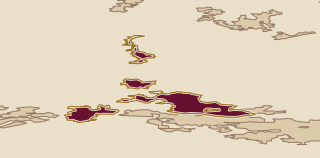
Atlas locationAmpuis · Vallée du Rhône · France45.49° N · 4.81° E

At A Glance

E. Guigal is based in Ampuis, the village at the heart of Côte-Rôtie in France’s Northern Rhône. Syrah forms the base of the named Côte-Rôtie wines here, with Viognier co-fermented in La Mouline and La Turque. La Mouline is the natural first bottle: it was Guigal’s first La La bottling, and its 89% Syrah, 11% Viognier blend, long new-oak ageing, floral perfume and silky texture show how the producer connects grape, place and cellar work.

The Producer

Three generations of the Guigal family have changed how Côte-Rôtie is viewed and made. The family’s defining range is built around named Côte-Rôtie wines, with La Mouline at the beginning of the La La sequence and La Turque and La Landonne occupying different positions beside it.

La Mouline helped renew international interest in the Rhône. Its role is larger than a single bottle, but its character remains concrete: Viognier joins Syrah in the ferment, new oak carries the wine through 40 months of ageing, and the finished wine is floral, spicy, voluptuous and silky.

Place

Ampuis supplies the home address, while Côte-Rôtie names the Northern Rhône appellation. Guigal’s Brune et Blonde uses the broader appellation name; La Mouline, La Turque and La Landonne narrow the label to named Côte-Rôtie wines. That movement from broad appellation to named bottling changes the range from fresh, round fruit to darker, more concentrated flavours.

Hermitage Ex Voto extends the range beyond Côte-Rôtie. It is a separate Northern Rhône red with dense black fruit, spice, earth and stone, made only in top vintages and intended for long cellaring.

Soil And Site

The useful site distinction begins with Côte Brune. La Turque comes from Côte Brune and contains 93% Syrah with 7% Viognier, while La Landonne carries a darker register of blackberry, grilled meat, spice, tobacco and truffle with high minerality.

Brune et Blonde keeps the wider Côte-Rôtie address on the label and offers sweet, fresh, round fruit after three to five years of cellaring. The named wines narrow the place name and bring more intense flavour cues into the glass.

Story

Guigal’s estate arc is a family story that moved Côte-Rôtie from a small Northern Rhône appellation into a wine name with renewed international attention. Three generations carried the work forward, and La Mouline became the decisive early bottle in that change.

Its arrival established the La La sequence and gave Guigal a way to present Côte-Rôtie through named wines, individual blends and long élevage. The range now reaches from Brune et Blonde to the La La wines and onward to Hermitage Ex Voto, but the family story still begins in Ampuis with La Mouline.

Vineyards And Cellar

La Mouline is made from 89% Syrah and 11% Viognier, co-fermented together. That cellar choice places the floral contribution inside the red wine, alongside spice, red and black fruit, pepper, earth and truffle. The wine then spends 40 months in new oak, supporting its voluptuous, silky texture.

La Turque uses 93% Syrah and 7% Viognier from Côte Brune, giving it a different blend and site address within the La La sequence. Hermitage Ex Voto follows a longer cellar plan: it ages in 100% new French oak barrels for 30 to 36 months before bottling. It is produced only in top vintages, with close to 600 cases made, and needs 10 to 12 years of cellaring before it reaches its strongest drinking phase.

Wines

Côte-Rôtie Brune et Blonde is the broad appellation wine in the range. Its sweet, fresh, round fruit profile makes it the bottle for earlier access, with three to five years of cellaring suggested before it is ready.

La Mouline is the most floral and silky of the named wines in the supported range. Its 89% Syrah and 11% Viognier blend, co-fermentation and 40 months in new oak lead to ruby colour with red vermillion tints, spice, pepper, earth, truffle, black fruit and red fruit.

La Turque comes from Côte Brune and shifts the blend toward 93% Syrah and 7% Viognier. La Landonne moves darker still, with blackberry, grilled meat, tobacco, spice, truffle and high minerality.

Hermitage Ex Voto sits outside the Côte-Rôtie sequence. It brings mineral-driven character, dense ripe black fruit, spice, earth and stone, followed by a rich, soft, round and deep palate. Its limited production and 12 to 35 year drinking horizon place it at the long-cellared end of the range.

In The Glass

Brune et Blonde opens with sweet, fresh, round fruit. Its fruit-led profile gives the palate an immediate, approachable shape, and the suggested three to five years of cellaring keeps its drinking window relatively near.

La Mouline rises with floral and spicy aromas, followed by red and black fruit, pepper, bacon fat, earth and truffle. The co-fermented Viognier accounts for the floral lift, while the wine’s long new-oak ageing sits beneath a voluptuous, silky mouthfeel. It finishes with perfume and soft texture still present.

La Landonne changes the sequence to blackberry, grilled meat, tobacco, spice and truffle. High minerality gives the darker fruit a firm edge and leaves a more savoury finish. Ex Voto begins with mineral notes and dense ripe black fruit, then adds earth and stone as the palate becomes rich, soft, round and deep. Its long ageing and recommended cellaring bring the broadest finish of the group.

A Bottle To Understand It

Start with La Mouline, a named Côte-Rôtie made from 89% Syrah and 11% Viognier. The two grapes are co-fermented, then the wine spends 40 months in new oak. In the glass it is ruby red with red vermillion tints, floral and spicy, with pepper, earth, truffle, black fruit and red fruit. Its voluptuous, silky texture gives the wine a clear physical signature. It is the right first bottle because it carries the beginning of the La La sequence and links Guigal’s blend, cellar method and Côte-Rôtie style in one wine.

Anecdote

Guigal’s La La sequence began with La Mouline. The wine became the producer’s first La La bottling, and its arrival helped spur renewed international interest in the Rhône. La Turque and La Landonne later joined the named Côte-Rôtie sequence, but La Mouline kept the opening position and its own blend: 89% Syrah and 11% Viognier co-fermented together. That combination is tied to the wine’s floral perfume and voluptuous, silky texture. Its colour is ruby red with red vermillion tints, while the glass moves through spice, pepper, earth, truffle, black fruit and red fruit. The name La Mouline remains at the front of the La La series.

Final Word

E. Guigal is easiest to follow through its bottles. Brune et Blonde gives the broad Côte-Rôtie address, La Mouline introduces the floral and silky La La style, La Landonne darkens the register, and Hermitage Ex Voto carries the range into long-aged Northern Rhône territory. La Mouline is the place to begin.

Sources

Keep following the thread

Where to go next

placeRead the Vallée du Rhône guideSee E. Guigal in the wider setting of Vallée du Rhône.mapFind E. Guigal on the mapKeep the producer, its region and nearby places together.learningHow place shapes wineSee how climate, landscape and local choices become part of a wine.