
NoleaWorld of Wine

Vallée du Rhône · France

Producer profile

Chateau de la Font du Loup

Organic Châteauneuf-du-Pape domaine led by Anne-Charlotte Mélia and Laurent Bachas, with old vine Grenache in Le Puy Rolland.

Place
Vallée du Rhône · France
Known for
Old vine Grenache from sandy Crau
Wine context
Grenache / Garnacha
Editorial basis
World of Wine editorial profile · 5 sources

World of Wine editorial profile · Source list ↓

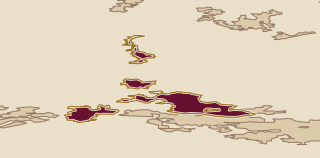
Atlas locationVallée du Rhône · France44.06° N · 4.87° E

At A Glance

Field
Detail
Region
Rhône
Appellation
Châteauneuf-du-Pape
Current proprietors
Anne-Charlotte Mélia and Laurent Bachas
Signature wine
Le Puy Rolland
Signature grape
Old vine Grenache
Defining feature
Organic farming

The Producer

Springs on the property gave Château de la Font du Loup its name, Fountain of the Wolves in local folklore, where wolves once drank. The estate is a Châteauneuf-du-Pape domaine managed and made by Anne-Charlotte Mélia and Laurent Bachas.

Philippe Cambie serves as winemaking consultant. The vineyards are farmed organically. Le Puy Rolland is a named wine from the property, made from old vine Grenache.

Place

The top of the Crau is the physical place behind Le Puy Rolland. The parcel has a northern exposure associated with freshness, while sandy soils are influenced by the Mistral winds. Châteauneuf-du-Pape names the appellation on the label, and Crau identifies the vineyard place within it.

Soil And Site

Le Puy Rolland comes from sandy soil dating to the Pliocene era, 5.3 million years ago. Sandy ground drains quickly, while Mistral winds can dry the vine canopy after rain. Those conditions reduce prolonged surface moisture and support the fresh character associated with this cooler site.

Story

The Charles Melia family acquired the estate in 1942. For the following years, the harvest was sold to négociants instead of being released under the estate's own name. In 1979, Château de la Font du Loup produced and sold its first estate bottled wines.

That change put the estate's own name on the bottle. The property moved from selling harvest to négociants to presenting its wines as Château de la Font du Loup.

Vineyards And Cellar

The vineyards are 100% organically farmed. Le Puy Rolland is made from 100% old vine Grenache and is completely destemmed. Removing the stems before fermentation reduces stem tannin and stem derived spice.

The wine ages for up to 18 months in vats, tanks and foudres. Vats and tanks add no oak flavour, while foudres are large oak vessels that allow gradual development with less direct oak taste than small barrels. Production averages 1,500 cases per vintage.

Wines

The range includes Le Puy Rolland, a Châteauneuf-du-Pape red from a named parcel, and a Rouge Côtes-du-Rhône at a broader appellation level. Le Puy Rolland is made from Grenache. The Rouge Côtes-du-Rhône shows freshly crushed black and red fruits with sweet spices on the palate.

In The Glass

Le Puy Rolland 2023 opens with kirsch, orange blossom, dried flowers, sea breeze and dusty soil. It is medium to full bodied, with ultra fine tannins and a silky texture. The finish is long, ethereal and fresh, with gastronomic bitterness.

A Bottle To Understand It

Le Puy Rolland 2023 is the bottle to open first. It carries the Châteauneuf-du-Pape appellation, the Le Puy Rolland vineyard name and a single Grenache variety. Rouge Côtes-du-Rhône carries the wider appellation name, so the two bottles offer a clear difference in label level before the glass is filled.

Anecdote

In 1992, Château de la Font du Loup purchased four hectares of old vine Grenache. The estate's Le Puy Rolland wine is also made from old vine Grenache, completely destemmed and aged in vats, tanks and foudres. Old vines can give smaller yields and concentrated fruit, while destemming removes stems before fermentation. The purchase added a dated vineyard event to the estate's Grenache work.

Final Word

Château de la Font du Loup combines organic farming, sandy Crau soils and old vine Grenache in a range that includes both a named Châteauneuf-du-Pape wine and a Rouge Côtes-du-Rhône.

Sources

Keep following the thread

Where to go next

placeRead the Vallée du Rhône guideSee Chateau de la Font du Loup in the wider setting of Vallée du Rhône.mapFind Chateau de la Font du Loup on the mapKeep the producer, its region and nearby places together.learningHow place shapes wineSee how climate, landscape and local choices become part of a wine.