
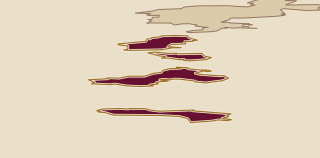
Banat extends across Caraș-Severin, Timiș and Arad south of the Mureș. Vineyards occupy sunny slopes between 100 and 350 metres, over marl, clay, sand, gravel, pebbles and loess-like material. Winters are mild, summers hot and autumns long. White grapes include Chardonnay, Fetească albă, Fetească regală, Muscat Ottonel, Riesling, Sauvignon and Viognier. Red varieties include Cabernet Sauvignon, Fetească neagră, Merlot, Pinot noir and Syrah. Riesling may have citrus and floral notes, while Sauvignon Blanc can recall green apple, gooseberry, cut grass and bell pepper. Cadarcă can make dark-fruited, spicy reds with drying tannin; Merlot can have plum, blackberry and cocoa flavours. German colonists grew vines here in the seventeenth century, and a 1747 inscription records viticulture at Recaș. Wine labels include the DOC appellations Recaș and Banat, and the broader geographical indications Viile Timișului and Viile Carașului.
2 named areas
Inside the region
Explore the wine-growing areas of Banat.
- 01BanatNo producers listed yetBanat's sunny slopes and sub-Mediterranean influence support both white and red wines. Riesling, Sauvignon Blanc, Merlot and Fetească neagră are among the varieties grown here.
- 02RecaşNo producers listed yetWithin Banat, an inscription records viticultural activity in Recaș from 1747. DOC Recaș is an EU-protected designation with an approved specification.