Green Spain includes Galicia and the Basque areas that make Txakoli. In Galicia's Rías Baixas, damp Atlantic conditions and high rainfall occur alongside more than 2,200 sunshine hours. Albariño, its characteristic white grape, can ripen fully while retaining medium-to-high acidity and pronounced aromas. Five subregions range from cool, wet Val do Salnés, with coastal granite and rocky ground, to inland Ribeira do Ulla, with soils deposited by rivers. High vine-training systems called parras help air circulate in this wet climate. Txakoli wines are made in the Basque designations of Getaria, Bizkaia and Álava. The whites can have fruit, flower and herb aromas, refreshing acidity and a slightly bitter finish. Basque growers began an organised recovery of the grapes Hondarrabi Zuri and Hondarrabi Beltza in the 1980s.
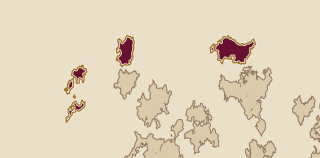
2 named areas
Inside the region
Explore the wine-growing areas of Green Spain (Galicia & Txakoli).
- 01Green Spain (Txakoli)5 producersTxakoli is made in the Basque designations of Getaria, Bizkaia and Álava. Its white wines have fruit, flower and herb aromas, fresh acidity and a slightly bitter finish.
- 02Rías Baixas26 producersRías Baixas sits in Atlantic Galicia, with moderate temperatures, high rainfall and more than 2,200 sunshine hours. Albariño can ripen fully while retaining natural acidity. Its five sub-regions include cool, wet Val do Salnés and inland, alluvial Ribeira do Ulla.
Producer profiles
Producer profiles
Every producer profiled in Green Spain (Galicia & Txakoli) so far.
- Adega Pazo Do MarA Galician family estate in the Condado do Tea sub-zone of Rías Baixas, built on 18 hectares assembled plot by plot from more than 200 small parcels.
- Adegas GuímaroFamily estate in Sober, Ribeira Sacra, making single-vineyard Mencía on steep schist terraces above the Sil river gorge.
- Attis Bodegas y Viñedos SLGalician producer behind Attis Lías Finas Albariño and Attis Mar, pairing lees ageing with underwater maturation.
- Bodega FulcroBodega Fulcro crafts Rías Baixas wine by hand, with natural fermentation and a vineyard-focused approach.
Browse 27 more
- Bodega Lagar de CondesaRías Baixas producer making barrel-fermented Albariño with extended lees ageing: apple and pear fruit, mineral honey nose, broad and dense palate, long mineral finish.
- Bodega PicosSmall family estate in Campo de Borja making Garnacha-led wines at 400 meters in Magallón, named after the brothers' grandfather who was known as Pico.
- Bodegas AlbamarSmall Rías Baixas producer making two distinct Salnés Albariños: a clean, saline flagship and the reductive, mineral O Sebal from an untreated coastal vineyard.
- Bodegas as Laxas S AAlbariño producer in Arbo, on south-facing granite terraces along the Miño River in the Condado do Tea subregion of Rías Baixas.
- Bodegas Casal de ArmanBodegas Casal de Armán makes Ribeiro wines from native white and red grapes, with two named whites and a red blend without oak ageing.
- Bodegas ChavesFamily-owned Albariño producer in Ribadumia, Rías Baixas, farming 1.3 hectares of 80-plus-year-old vines on granite soils across three named parcels, with a founding role in the establishment of the DO.
- Bodegas del Palacio de FefiñanesGalicia's pioneering Albariño bottler, working from a seventeenth-century palace in Cambados since 1904, with a house style built around pure acidity and saline freshness.
- Bodegas El ParaguasAtlantic Galician white wine house founded in 2011 in Cobas, Ferrol, building its reputation on Treixadura-led blends from A Coruña rather than the Albariño-dominated south.
- Bodegas FillaboaSingle-estate Rías Baixas producer farming 50 hectares of Albariño across 12 south-facing plots in Condado do Tea, the only Galician member of Grandes Pagos de España.
- Bodegas GodevalBodegas Godeval bottled the first commercial monovarietal Godello in 1986, founding a revival that transformed Valdeorras.
- Bodegas Joaquin RebolledoA four-generation family in the Valdeorras D.O. of inland Galicia that kept Godello when almost everyone else abandoned it.
- Bodegas La ValAlbariño estate in the O Rosal sub-zone of Rías Baixas, farming exclusively from three named vineyard properties since 1985 and fermenting with indigenous wild yeasts.
- Bodegas LanBodegas Lan is a large Rioja producer based in Fuenmayor, making Tempranillo-led crianza and reserva wines from the 72-hectare Viña Lanciano estate on the Ebro river, alongside a Galician white wine operation in O Rosal through its Santiago Ruiz subsidiary.
- Bodegas LangaFamily-owned producer in DO Calatayud founded in 1982, operating across two estates and producing still wines and Cava.
- Bodegas Martín CódaxCooperative winery in Cambados, Val do Salnés, Rías Baixas; 100% Albariño across six cellar-method tiers from stainless steel to traditional-method sparkling aged 38 months on lees.
- Bodegas MileniumBodegas Milenium is Bodegas Gallegas' table wine and Wine of Spain division, with Elara, a white Ribeiro wine from Treixadura and Godello.
- Bodegas Pazo CilleiroAtlantic Albariño producer in Val do Salnés, Rías Baixas, coordinating over 250 independent winegrowers across 80-plus hectares of pergola-trained vines beside the 11th-century Armenteira monastery.
- Bodegas Rectoral de Amandi S.A.U.Ribeira Sacra producer behind Matilda Nieves Mencía, a red Mencía wine with acidity lifted by vineyard altitude.
- Bodegas VegamarBodegas Vegamar is a Valencia Alto Turia bodega with owned vineyards, a Rioja Crianza, and a Rías Baixas Albariño.
- Bodegas VetusToro estate founded in 2003 by the Antón family, farming 20 hectares of Tinta de Toro on the high plateau of the Zamora DO and producing three red tiers from approachable entry wine to 2,000-bottle pre-phylloxera Celsus.
- Bodegas Y Vinedos Vina CartinA Val do Salnés Albariño producer founded in 1977, farming 20 hectares across granite and alluvial parcels near Lantaño in Rías Baixas.
- Bodegas ZarateA 300-year-old Albariño estate in Val do Salnés, farming ungrafted granite parcels without tilling since 1994, with three wines that show what lees contact and vineyard age do to the same grape.
- Compañía de Vinos Telmo RodríguezTelmo Rodríguez and Pablo Eguzkiza began with old Garnacha in Navarra and built a Spanish portfolio around small parcels, native grapes, local growers and recovered vineyards such as A Falcoeira in Ourense.
- Dominio do BibeiBibei valley producer with Mencía led reds, Godello led whites, a gravity moved cellar, and Ribeiro white Lalume.
- HGA BodegasThe independent group behind Altos de Torona, the largest privately owned wine operation in Rías Baixas, making a varietal Albariño and an award-winning Rosal blend from O Rosal's granitic slopes.
- Quinta de CouseloAtlantic-influenced white wines from O Rosal, where Albariño meets Caíño Blanco, Loureira and measured lees ageing.
- Rafael PalaciosA Valdeorras Godello project founded in 2004, built from old Bibei Valley vineyards on granite and quartz schist between 620 and 740 metres.