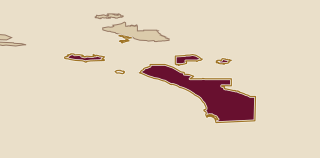
Southern California's vineyards extend across Los Angeles, Orange, Riverside, San Bernardino and San Diego counties. South Coast is also the name of an American Viticultural Area, or AVA, with its own defined boundary. Other appellation names include Ramona Valley, San Pasqual Valley and Temecula Valley. Pacific air moderates many vineyards, while others lie inland or at higher elevations. Antelope Valley sits beyond the Sierra Pelona Mountains and has large temperature differences between day and night. Rocky shale occurs in northern mountain sites, granite is more common towards the Mexican border, and lower vineyards often have sandy soils. Cucamonga Valley once had far more vines: the Guasti vineyards covered more than 20,000 acres in 1917. A small area of old vines and fortified-wine production remains. Cabernet Sauvignon, Syrah and Chardonnay are important grapes across South Coast, alongside old-vine Zinfandel, which can make dense reds with brambly fruit flavours.
2 named areas
Inside the region
Explore the wine-growing areas of California · South Coast.
- 01Inland Empire & San DiegoNo producers listed yetThis part of the South Coast includes wine areas in the Inland Empire and San Diego County. Ramona Valley has cool nights, while San Pasqual Valley grows a broad range of grapes.
- 02Los Angeles & Ventura2 producersThe wine areas around Los Angeles and Ventura belong to California's South Coast. At Malibu Coast, fog, sunshine and large day-to-night temperature changes mark the maritime growing season.