
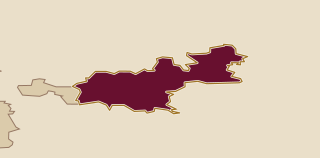
Tokaj lies where the Bodrog meets the Tisza, at the foot of the Zemplén Mountains in Hungary. Vineyards extend over volcanic slopes beside wetlands and oak woods. River humidity and sunny mornings can encourage noble rot, a fungus that concentrates the grapes. Affected berries selected for sweet wine are called aszú. Furmint accounts for 60% of plantings, followed by Hárslevelű at 19% and Sárgamuskotály at 9%. These white grapes also make dry and slightly sweet wines. Sweet wines made with noble-rotted grapes can have honey and dried-fruit aromas, with pronounced acidity balancing their richness. Tokaji Aszú can be nutty and honeyed. Wine production is documented here from 1561. A 1737 decree established Tokaj as a closed wine region, and it was inscribed on the UNESCO World Heritage List in 2002.
1 named area
Inside the region
Explore the wine-growing areas of Tokaj.
Producer profiles
Producer profiles
Every producer profiled in Tokaj so far.
- Béres Vineyards and WineryA 45-hectare family estate in Erdőbénye, Tokaj, producing dry Furmint and Hárslevelű alongside Szamorodni and Aszú from volcanic tuff-loess parcels.
- Château DereszlaEstate producer in Bodrogkeresztúr, Tokaj, making dry Furmint, Tokaji Aszú and a traditional-method sparkling wine from Furmint and Hárslevelű.
- Erzsébet PinceTokaj family winery making single vineyard dry whites from Furmint and Hárslevelű, alongside Tokaji Aszú.
- Kövágó EstateKövágó Estate is named for St Stephan's Crown Tokaji Aszú from Tokaji-Hegyalja, made with Furmint, Hárslevelű and Muskotály.
Browse 3 more
- Royal TokajiA Tokaj producer founded in 1990, with vineyards in Mád and Tarcal and a range from dry Furmint to Aszú and Essencia.
- Tokaj-HétszőlőA Tokaj estate founded in 1502 when the Garai family consolidated seven outstanding vineyard parcels on Mount Tokaj, now farming 55 certified organic hectares under French ownership, producing Furmint and Hárslevelű across styles from Late Harvest to 6 Puttonyos Aszú.
- Tokaj-OremusSpanish-owned Tokaj estate making dry Furmint and Aszú from medieval volcanic cellars since 1993.