
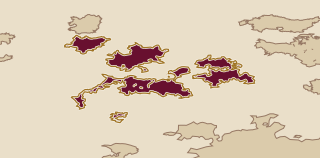
Duero & León groups four separate Spanish wine areas: Ribera del Duero, Rueda, Toro and Bierzo. In Ribera del Duero, the red grape Tempranillo may be called Tinto Fino or Tinto del País. Rueda's principal white grape is Verdejo. Toro is closely associated with the red grape Tinta de Toro, while Mencía is Bierzo's main red variety. The protected names have different production rules. Rueda is associated with dry whites made from Verdejo and Sauvignon Blanc. Toro makes reds from Tinta de Toro or Garnacha Tinta, as well as whites. Bierzo permits the red grapes Mencía and Garnacha Tintorera and the whites Godello, Doña Blanca and Palomino.
4 named areas
Inside the region
Explore the wine-growing areas of Duero & León.
- 01Bierzo17 producersMencía is Bierzo's main red grape and is associated with spicy, medium-bodied wines. Other permitted varieties include Garnacha Tintorera, Godello, Doña Blanca and Palomino.
- 02Ribera del Duero53 producersRibera del Duero follows its river across a high, dry plateau. Tempranillo, usually called Tinta del País or Tinto Fino here, makes concentrated reds with acidity and firm structure.
- 03Rueda6 producersRueda lies on a high plain and is best known for Verdejo. A bottle labelled "Rueda Verdejo" must contain at least 85% of the grape.
- 04Toro11 producersToro centres on Tinta de Toro, its native red grape. Loose, well-draining sandy soils support widespread ungrafted vines. The region also makes reds from Garnacha Tinta and whites from white varieties.
Producer profiles
Producer profiles
Every producer profiled in Duero & León so far.
- Bodega BurdigalaA Bordeaux-founded estate in Castilla y León making native yeast Verdejo whites from a La Seca manor and Tinta de Toro reds from Zamora, with minimal sulfite addition across both appellations.
- Bodega Carmen Rodriguez MendezA small family bodega in D.O.
- Bodega Doble RTempranillo estate in Fuentecén, Burgos, farming Ribera del Duero since 1964 across more than 200 hectares of vines up to 80 years old.
- Bodega Ecológica Luis SaavedraCertified organic Garnacha estate in Cenicientos, southwest Madrid, producing two red wines: an oak-aged blend and a natural single-vineyard wine from old vines.
Browse 76 more
- Bodega Elias MoraOld-vine Tinta de Toro estate in DO Toro, Castilla y León; organic farming, own-rooted bush vines up to 80 years old, minimal-intervention cellar.
- Bodega Luzdivina AmigoA fourth-generation family bodega in Parandones, DO Bierzo, turning Mencía, Godello and old local grapes from scattered leiros into bottled wines.
- Bodega MarañonesOld-vine Garnacha Tinta from granite soils in the Sierra de Gredos, west of Madrid.
- Bodega NumanthiaBodega Numanthia makes dry red wines from Tinta de Toro on ungrafted vines up to 200 years old in the Toro appellation, Zamora.
- Bodega Pedro EscuderoA family Rueda estate founded in 2002 when Pedro and Paula Escudero shifted from grape farming to bottled production on 110 hectares in La Seca.
- Bodega Sei SoloBoutique Ribera del Duero bodega founded by the appellation's former regulatory director, making two Tempranillo wines whose labels carry Johann Sebastian Bach's original violin sonata handwriting.
- Bodegas Abadía la ArroyadaThree-generation Tempranillo estate in Ribera del Duero, bottling under its own name since 2002 from vines planted by the founder's grandfather.
- Bodegas AdriáBodegas Adriá is a Bierzo producer on Stage 24 of the Camino de Santiago, selecting hand-picked grapes from 30–40-year-old vines.
- Bodegas AlionSingle-wine Ribera del Duero estate from the Álvarez family of Vega Sicilia, producing 100% Tinto Fino aged in new French Bordeaux oak.
- Bodegas AntidotoCollaborative Tempranillo project in the Soria sector of Ribera del Duero, built on ungrafted pre-phylloxera parcels, long maceration, and large-barrel ageing with minimal new oak.
- Bodegas ArrocalFamily estate in Gumiel de Mercado making Tempranillo-based reds across four range levels in Ribera del Duero, founded 2002 after three years of vineyard preparation.
- Bodegas Arzuaga NavarroA large Ribera del Duero estate in Quintanilla de Onésimo, producing three tiers of old-vine Tempranillo from chalky clay at 900 metres, with a Michelin-starred restaurant and five-star hotel on the same grounds.
- Bodegas AsterLa Rioja Alta's Ribera del Duero estate, built on a Burgos vineyard purchased seven years before the first bottle appeared, making three Tinta del País expressions from named Anguix parcels.
- Bodegas BernabelevaSingle-parcel Garnacha from old-vine, high-altitude granite in the Gredos mountains southwest of Madrid.
- Bodegas BohórquezBodegas Bohórquez makes Ribera del Duero reds from its own vineyard, planted mainly to Tempranillo with Cabernet Sauvignon and Merlot.
- Bodegas Cepa 21The Moro family's modern Ribera del Duero project, founded in 2007 in Castrillo de Duero on the Golden Mile.
- Bodegas Emilio MoroRibera del Duero family winery bottling exclusively Tinto Fino from 200 hectares near Pesquera de Duero, with a range running from an €8 everyday red to single-vineyard bottles from vines planted in 1924.
- Bodegas EstefaníaBodegas Estefanía makes Mencía and Godello in El Bierzo under the Tilenus brand, with Raúl Pérez directing paraje-labelled reds from 36 hectares of vineyards between 400 and 900 metres.
- Bodegas Estefania S.L.Bodegas Estefania S.L. comes from Duero & León, Spain.
- Bodegas FariñaThird-generation Toro estate that farmed ungrafted Tinta de Toro on phylloxera-resistant sandy soils, helped found the D.O.
- Bodegas Felix CallejoFamily-owned Ribera del Duero estate, founded 1989, now run by the founder's four children.
- Bodegas Finca La CapillaA Forner family estate in Roa de Duero, built on 50 hectares of Tempranillo at the geographic centre of Ribera del Duero, with a range running from a glyceric Crianza to a selected-harvest red aged 16 months in new Bordeaux barrels.
- Bodegas Frutos VillarCastilian multi-site producer operating across four DOs from Toro to Ribera del Duero, with its flagship Conde de Siruela winery in La Horra making Tinto Fino reds under house enologist Nuria Peña Albillo.
- Bodegas GodeliaFamily-founded winery in El Bierzo, built from 2009 around old-vine Mencía and native-variety whites, with one entirely singular bottle: a sweet wine made from Mencía.
- Bodegas Hermanos SastreOld-vine Tempranillo estate in La Horra, Ribera del Duero, farming organically for over 30 years.
- Bodegas Hnos Pérez PascuasFamily estate in Pedrosa de Duero that helped found the Ribera del Duero DO in 1982, farming Tinta del País on high-altitude clay across five tiers from Crianza to single-vineyard Gran Selección.
- Bodegas Hnos. Perez Pascuas S.L.A family bodega in Pedrosa de Duero that co-founded the Ribera del Duero DO in 1982 and has made estate Tinto Fino from their father's vineyard land ever since.
- Bodegas IturriaBordeaux-trained Xavier Iturria founded this small Toro estate in 2009, farming ungrafted old vines at 700 metres and ageing Tinta de Toro in French oak to produce wines that run counter to the appellation's bulk-red reputation.
- Bodegas La HorraRibera del Duero estate built from a partnership between Bodegas Roda and the Balbás family, farming 40 hectares of old Tinta del País vines in La Horra and Roa with an emphasis on freshness and precise oak use.
- Bodegas LleirosoFamily winery in Valbuena de Duero, farming thirty hectares of Golden Mile Tempranillo, hand-harvested in 15kg crates, across four range levels from the fruit-forward Luz Millar Roble to a limited Joan Miró Colección de Familia.
- Bodegas Luna Beberide SLSingle-estate Bierzo producer farming Mencía and Godello organically on calcareous clay and slate between 450 and 900 metres, with winemaking shaped by Mariano García.
- Bodegas MauroMariano García's personal estate in Tudela de Duero, built alongside thirty years at Vega Sicilia and named after his father.
- Bodegas MurielA Ribera del Duero Tempranillo estate in the Valle de Las Pinzas, owned by the Murúa family of Rioja, with south-facing chalky-clay slopes above the Duero and a three-tier range from fruit-forward Roble to aged Reserva.
- Bodegas Navarro Balbas SLOld vaso-trained Tempranillo vines at 865 metres in Ribera del Duero's pine-forested north, farmed organically by hand across 40 micro-parcels and vinified with native yeast.
- Bodegas Pinna FidelisPeñafiel-based Ribera del Duero producer working entirely with Tinta del País across a 225-hectare network of partner vineyards, all hand-harvested, with a range from Roble to Gran Reserva.
- Bodegas PintiaToro red from the Álvarez family, made exclusively from Tinta de Toro and shaped by refined winemaking.
- Bodegas PittacumMencía specialist in Arganza del Bierzo, making slate-driven red wine from DO Bierzo's native grape since 1998.
- Bodegas PortiaBodegas Portia welcomes visitors in Ribera del Duero with small-production wines, guided tastings, retail sales, and an on-site restaurant.
- Bodegas PradoreySingle-estate Ribera del Duero producer on a former royal site near Burgos, known for Finca La Mina Reserva and two technical innovations borrowed from older Spanish traditions.
- Bodegas ProtosOne of the founding estates of Ribera del Duero, Protos has farmed Tinta del País from cellars carved beneath Peñafiel Castle since 1927 and lent its name to establish the appellation itself in 1982.
- Bodegas Ramon RamosA three-generation Toro DO producer in Venialbo, Zamora, working goblet-trained Tinta de Toro from sandy, stony soils.
- Bodegas Resalte de PeñafielRibera del Duero winery founded in 2000, building an all-Tempranillo range from old vine plots within the appellation.
- Bodegas Riojanas GrupoClassical Rioja producer in Cenicero, making long-aged Tempranillo-based Reservas and Gran Reservas under two heritage labels, Monte Real and Viña Albina, using wooden tina fermentation and extended American oak ageing.
- Bodegas RoderoRibera del Duero family estate that switched from grape supplier to estate bottler in 1990, now farms over 120 hectares at 820 to 855 metres, runs a patented pump-free gravity cellar, and produces six Tempranillo-led wines from Pedrosa de Duero.
- Bodegas SanzBodegas Sanz comes from Duero & León, Spain.
- Bodegas ShayaA Gil Family project making 100% Verdejo from ungrafted vines over 120 years old on the Rueda plateau at 2,300 feet.
- Bodegas TamaralFirst-generation family bodega on Peñafiel's Golden Mile, growing Tempranillo above 900 metres and ageing it in new French oak for dark, cedar-marked Ribera del Duero reds.
- Bodegas ValderizBodegas Valderiz is an Esteban family producer in Castilla y León with Tempranillo wines, organic certification, and French and American oak ageing.
- Bodegas ValdeviñasA Ribera del Duero Tempranillo producer founded by the Mirat industrial family in 2000, with a French winemaker who runs the cellar without the commercial compromises he describes at other wineries.
- Bodegas ValdueroRibera del Duero estate founded in 1984; 100% Tinto Fino from vines aged up to 90 years; Valduero 12 Años spends twelve years in production before release.
- Bodegas Vatan S.LJorge Ordóñez's personal project in D.O.
- Bodegas VirtusOld-vine Tempranillo from the Golden Mile of Ribera del Duero, shaped by high-altitude parcels and a family that put fruit before oak from the start.
- Bodegas Y Viñedo Montecastro S.A.A Ribera del Duero estate at Castrillo de Duero, vineyards between 860 and 930 metres, founded in 2000 and reshaped by Hacienda Monasterio from 2012.
- Bodegas y Viñedos Monteabellón, S.L.A García family estate in Nava de Roa, Ribera del Duero, founded in 2000 after several generations of viticulture in the area.
- Bodegas Y Vinedos Raúl PérezRaúl Pérez left his family's Bierzo winery in 2005 to found his own label, and within a decade won Winemaker of the Year from Der Feinschmecker (2014) and Best Winemaker in the World from Bettane+Desseauve (2015).
- Bodegas y Viñedos TábulaRibera del Duero bodega founded in 2002 by a Castilian entrepreneur consortium, farming Tempranillo across seven municipalities from day one.
- Bodegas y viñedos tamaral sluSingle-variety Tinto Fino estate in Peñafiel, Ribera del Duero, producing three oak-distinct wines from 44.6 hectares of limestone-clay plateau vineyards.
- César Márquez PérezCésar Márquez Pérez works old vine Godello and Mencía from small parajes in Bierzo, with red wines fermented in open barriques.
- Dehesa de los CanónigosOrganic Ribera del Duero estate in Pesquera de Duero, named for the 22 canonical monks of Valladolid's cathedral chapter who farmed the land before 1842.
- Dominio BasconcillosFamily estate in Ribera del Duero with 905 metres of vineyards, Paraje del Alto del Cura slopes and rapid harvest transfer.
- Dominio de ElbioRibera del Duero estate with low intervention vineyard work, nine separately farmed sectors, and red wines led by Dominio de Elbio and Salvio.
- Dominio de EsBertrand Sourdais farms ungrafted Tinto Fino across Atauta parcels in the Soria sector of Ribera del Duero.
- Dominio de PingusPeter Sisseck's Ribera del Duero estate, home to Pingus, Flor de Pingus and the PSI grower project.
- Dominio de TaresBierzo producer focused on Mencía, Godello, old vines and the field blend El Paisano de Tares.
- Dominio del AguilaLa Aguilera estate with old mixed plantings, natural yeast fermentations and wines from Pícaro to Peñas Aladas Clarete Gran Reserva.
- Finca Daniel RamosCebreros Garnacha from old bush trained vines, made by Daniel Ramos with native yeast, slow maceration and minimal sulfur.
- Finca MontepedrosoFinca Montepedroso is a 25-hectare vineyard estate on a 750-metre plateau in Rueda, Valladolid, Spain.
- Finca MuseumCigales producer behind La Renacida, a mixed vineyard red made with whole clusters and French oak foudre ageing.
- Finca Rio NegroFamily-owned Finca Río Negro farms 42 hectares in Cogolludo, Guadalajara, at 950 to 1,000 metres.
- Finca VillacrecesRibera del Duero estate in Quintanilla de Onésimo, with certified organic vineyards and red wines from Tinto Fino, Cabernet Sauvignon and Merlot.
- Ossian Vides y VinosHigh-altitude Verdejo from Nieva, where sandy soils preserved old ungrafted vines and give Ossian’s whites crisp acidity, herbal lift and saline length.
- Quinta MilúA La Aguilera micro-winery making old-vine Tempranillo with bright fruit, lively acidity and little new-oak flavour.
- Sangarida - Attis Bodegas y Viñedos -R.E. 8580 LE 00A Bierzo project begun in 2019 by Robustiano and Baldomero Fariña with Jean-François Hébrard, extending the Attis family’s work with indigenous varieties beyond Galicia.
- Vega SiciliaRed wine estate in Ribera del Duero farming old-vine Tempranillo and Bordeaux varieties; produces Valbuena 5° and the decade-aged flagship Único.
- Viñedos y Bodegas Aster S.L.La Rioja Alta S.A.
- Vinos ValtuilleOld-vine Mencía and indigenous Godello from Valtuille de Abajo, a Bierzo village with family viticultural records going back three centuries.