
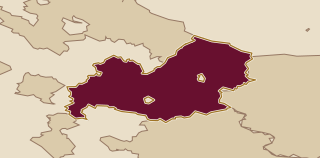
Molise's lower Biferno vineyards receive more maritime warmth, while inland sites have cooler nights. Its four DOC appellations are Biferno, Molise, Pentro di Isernia and Tintilia del Molise. The broad Molise DOC covers Campobasso and Isernia, with white, red and rosé wines, sparkling and lightly sparkling styles, young wines, and passito wines made from dried grapes. Biferno Rosso is dry and velvety, with moderate, drying tannin; its Riserva must age for three years. Pentro includes a fresh white based on Falanghina and Trebbiano Toscano, alongside darker reds based on Montepulciano and Tintilia. Tintilia was largely abandoned after the Second World War because of its low yields. The grape attracted renewed attention in the 1990s, and Tintilia del Molise became a DOC in 2011. Its reds are peppery and medium-bodied, with dark fruit, herbal aromas, moderate tannin and relatively high acidity.
4 named areas
Inside the region
Explore the wine-growing areas of Molise.
- 01BifernoNo producers listed yetBiferno follows the river through a lower, warmer part of Molise. Maritime influence gives its wines generally lower acidity and more structure than Pentro, with red, white and rosato styles and a three-year-aged Biferno Rosso Riserva.
- 02Molise1 producerMolise DOC covers Campobasso and Isernia, with a broad range of permitted grapes and styles. Labels may be red, rosato, white, sparkling, passito, novello or frizzante, and can read either Molise or del Molise.
- 03Pentro di IserniaNo producers listed yetPentro di Isernia, also seen as Pentro, pairs a dry, fresh Falanghina and Trebbiano Toscano white with darker, more structured reds based on Montepulciano and Tintilia.
- 04Tintilia del MoliseNo producers listed yetTintilia del Molise gained DOC status in 2011. Its medium-bodied reds have dark-fruit, black-pepper and herbal notes, with moderate tannin and relatively high acidity.
Producer profiles
Producer profiles
Every producer profiled in Molise so far.
- Di Majo NoranteFamily estate in Campomarino, Molise, farming 123 hectares of Montepulciano, Aglianico, and Falanghina on the Adriatic coastal plain.