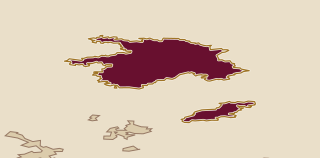
The vineyards of Montagne de Reims wrap around a broad, wooded hill between Reims and the Marne valley. The plateau stays forested while vines occupy the slopes below. Pinot Noir is the main grape across much of the area, with Chardonnay and Meunier also planted. Villers-Marmery and Trépail are especially associated with Chardonnay.
Some of these grapes become part of a Champagne blended from several areas. Others go into a wine from one village or vineyard. Knowing where they grew gives you an origin to compare, even when the front label simply says Champagne.
Verzenay faces cooler conditions than Ambonnay and Bouzy
What changes here
Verzenay and Verzy lie on the cooler northern and north-eastern side of the hill. Ambonnay and Bouzy are on the warmer southern and south-eastern side. Pinot Noir is important in all four villages, while the topsoil, slope and exposure to the sun vary from vineyard to vineyard.
Chalk is widespread in Champagne, alongside differences in local soils and weather. A bottle may also include wines from other places and earlier harvests. Read the producer’s origin details before treating it as an example of one village.
Ambonnay is a village; Champagne is the appellation
Names to know
Verzenay, Verzy, Mailly-Champagne, Ambonnay and Bouzy may appear in an address, a wine name or a vineyard description. The appellation, the defined origin and production rules, is Champagne. Grand cru and premier cru are terms in its village classification system.
The producer’s address tells you where they are based. They may also farm vineyards or buy grapes elsewhere, so look at the grape and origin details for the particular wine. Blanc de noirs means white Champagne made from dark grapes, usually Pinot Noir or Meunier; blanc de blancs means white Champagne made from white grapes, most commonly Chardonnay.
Compare Montagne Pinot Noir with its Chardonnay
First bottle
Try a blanc de noirs based on Pinot Noir from Verzenay, Ambonnay or Bouzy, then a Chardonnay-led wine from Villers-Marmery or Trépail. You stay within Montagne de Reims while changing both the village and the grape.
Check the producer’s notes on blending and ageing too. Reserve wines come from earlier harvests; lees are the spent yeast cells left after fermentation. Dosage is the addition of wine and sugar after the sediment has been removed, and it helps determine the finished sweetness. These choices also affect the wine you taste.
Continue through the region
Elsewhere in Champagne
- Aube — Côte des Bar40 producersThe Aube is Champagne's southernmost sub-region, with Pinot Noir at the centre of the Côte des Bar. Urville, Courteron, Buxières-sur-Arce and Les Riceys are among its key places.
- Côte de Sézanne15 producersSouth of the Côte des Blancs, the Côte de Sézanne grows mainly Chardonnay. Its blanc de blancs, white Champagne made from white grapes, tends to be softer and rounder than wines from villages farther north.
- Côte des Blancs67 producersCôte des Blancs is Champagne's best-known Chardonnay corridor, a chalky run of villages extending south from Épernay.
- Vallée de la Marne39 producersVallée de la Marne follows the river west from Épernay, with Meunier prominent in the cooler valley and Pinot Noir important around Aÿ.
Producers in Montagne de Reims
Start with these
- Champagne Bérêche et FilsChampagne grower led by Raphaël and Vincent Bérêche, with estate parcels, wild fermentation and a Brut Réserve of Chardonnay, Pinot Noir and Pinot Meunier.
- Egly-OurietEgly-Ouriet is a family grower in Ambonnay, Champagne, known for old Pinot Noir vines and long cellar ageing.
- KrugReims Champagne house founded by Joseph Krug in 1843, known for Grande Cuvée's long-aged blend of wines from many vintages.
- Louis RoedererIndependent Champagne house in Reims with biodynamic vineyard farming, Collection wines and Cristal.
- Champagne Bruno PaillardChampagne house founded by Bruno Paillard, making Extra Brut wines with a Perpetual Reserve and disgorgement dates on every bottle.
Browse 88 more
- Champagne A. Francinet & FilsGrand Cru Champagne grower with Pinot Noir Cuvée Exception wines from Verzenay, Verzy and Villers-Marmery.
- Champagne A. MargaineChampagne A.
- Champagne A&C TOULLECA&C Toullec is a Champagne house with parcel by parcel vinification, Assemblage Brut from Pinot Noir and Chardonnay, and Chardonnay Les Hautes Varennes.
- Champagne Alain GUILLAUMETrépail Champagne house with more than 8 hectares, a perpetual Chardonnay cuvée, and HVE certification.
- Champagne André ClouetGrand Cru Champagne house rooted in Bouzy and Ambonnay, with Pinot Noir led cuvées and the rare Un Jour de 1911.
- Champagne AutréauChampagne house in Champillon with four terroirs and a Pinot Noir and Pinot Meunier Blanc de Noirs.
- Champagne Baron DauvergneChampagne Baron Dauvergne makes Pinot Noir-led Champagne from Bouzy Grand Cru, including the 100% Pinot Noir Fine Fleur Blanc de Noirs, Tour Eiffel Brut with Chardonnay, and the lees-aged Les Notre Dames.
- Champagne Benoit BeaufortSixth generation Ambonnay Champagne producer using the Récoltant Coopérateur model, with Grand Cru cuvées including Pinot Noir and Chardonnay.
- Champagne Bertrand-DelespierreChamery grower house in the Montagne de Reims, making Champagne exclusively from estate grown fruit.
- Champagne BrimoncourtAÿ Champagne house making refreshing aperitif wines from Chardonnay, Pinot Noir and Meunier sourced across Champagne.
- Champagne Brisson-LahayeChampagne Brisson-Lahaye presents Blanc de Noirs Champagne with lively acidity, creamy texture, and aromas spanning ripe red fruit, almond, and brioche.
- Champagne Canard DuchêneLudes Champagne house, first Grande Maison to produce an organic Champagne, with P.
- Champagne CattierChampagne Cattier operates 33 hectares in Chigny-les-Roses and makes Premier Cru sparkling wines, including a zero dosage Brut Nature.
- Champagne Chanoine FréresChampagne house with Épernay origins and a Reims base, making nonvintage Brut, 2014 Vintage and Tsarine.
- Champagne CoizyTrépail Champagne house making its own cuvées, including mixed grape Eunomia and pure Chardonnay Cuvée des Sacres.
- Champagne ColletAÿ cooperative owned by winegrowers, with a 100% Pinot Noir Grand Cru and Art Déco Brut.
- Champagne Couvreur-PrakRilly-la-Montagne grower Champagne with manual harvests, three traditional grapes and the vintage Brut Prospérité 2012.
- Champagne DeutzChampagne Deutz is an Aÿ house founded in 1838, with 45 hectares of vineyard and a range spanning three grape Brut, rosé, vintage, Blanc de Blancs and named cuvées.
- Champagne Domaine MéaLouvois grower Champagne from Pinot Noir and Chardonnay, including Pinot Noir led L'Assemblage and zero dosage Sig'nature.
- Champagne DumanginFifth-generation grower-producer Champagne from Chigny-les-Roses in the Montagne de Reims, with Premier Cru fruit, enamel fermentation tanks and hand-riddled cuvées.
- Champagne Dumangin J. FilsChigny-les-Roses Champagne house with near even plantings of three grapes, hand riddling, and oak aged Ratafia Champenois.
- Champagne DuménilFifth generation Champagne grower farming 8 hectares of Premier Cru vines across three Montagne de Reims villages.
- CHAMPAGNE EMILE HAMM ET FILSFamily owned Champagne house founded in 1910 in Aÿ, with Brut, Réserve, Extra Brut and specialty wines.
- Champagne Fernand LemaireHautvillers Premier Cru house with 6 hectares, three Champagne grapes, and Tradition Brut and Rosé cuvées.
- Champagne FliniauxAÿ Grand Cru family house making Pinot Noir and Chardonnay cuvées, including the hand disgorged Cuvée des Signataires.
- Champagne Forget-BrimontLudes Champagne house with Pinot Noir vineyards, Premier Cru blends, and vintage wines aged more than ten years before release.
- Champagne Forget-CheminLudes Champagne house with a multi-village vineyard, stainless steel fermentation and a 2019 Special Club cuvée.
- Champagne G.H Martel & Champagne Charles de CazanoveTwo Reims Champagne houses under Rapeneau family ownership, with fresh mineral G.H.
- Champagne G.H. MartelReims-based Champagne house founded in 1869, with roots in Avenay-Val-d'Or, 58 hectares across 64 villages, and four generations of Rapeneau family ownership.
- Champagne G.H. Martel & CieReims Champagne house with a family vineyard across 64 villages and a Victoire collection drawn mainly from Premier Cru sites.
- Champagne Gabriel- Pagin - FilsIndependent family winegrower founded in 1946 in Avenay Val d'Or, making Premier Cru Champagne from 9 hectares across Premier Cru and Grand Cru locations.
- Champagne Gaidoz-ForgetChampagne Gaidoz-Forget is a Champagne producer whose vineyard composition is led by Pinot Meunier, complemented by Pinot Noir and Chardonnay.
- Champagne Godmé SabineA 5.5-hectare family Champagne estate in Verzenay, with eight cuvées spanning single-variety wines and blends from Grand Cru and Premier Cru villages.
- Champagne GuldkulaChampagne brand built on sourced cuvées, with Richard Juhlin as curator and a Meunier led Brut Réserve.
- Champagne Guy MeaLouvois Champagne domaine making Pinot Noir and Chardonnay cuvées from separately harvested and vinified plots.
- Champagne HebrartVallée de la Marne grower house with sustainable viticulture, Pinot Noir and Chardonnay, and Premier Cru to Aÿ Grand Cru wines.
- Champagne Henri Maillart & FilsChamery family house making three grape Champagne, Chardonnay led Brut Sélection and a pure Chardonnay Blanc de Blancs.
- Champagne HenriotFamily owned Champagne house founded in 1808, known for Brut Souverain and Pinot Noir and Chardonnay cuvées.
- Champagne Herbert BeaufortBouzy family house with Grand Cru Champagne and still red Pinot Noir, made from hand harvested fruit.
- Champagne Hervieux-DumezSacy grower Champagne house with a Special Club cuvée, stainless steel vinification and approximately three years on lees.
- Champagne Hugues GodméFamily Champagne estate based in Verzenay, farming 7.5 hectares of Grand Cru and Premier Cru vines across four Montagne de Reims villages, with organic and biodynamic viticulture since 2006.
- Champagne J. Pérard Père & FilsAmbonnay Champagne house with chalk vineyards, Pinot Noir led cuvées, reserve wines and Chardonnay based wines.
- Champagne J.M. Gobillard & FilsFamily Champagne house from Hautvillers, producing Blanc de Blancs and Privilège des Moines alongside over 1.6 million bottles a year.
- Champagne J.M. LabruyèreChampagne J.M.
- Champagne Jean Plener FilsBouzy Champagne estate led by seventh generation Maud Plener, with Pinot Noir and Chardonnay Grand Cru cuvées aged on lees.
- Champagne Jean-Philippe BosserHautvillers family Champagne house with Meunier, Chardonnay and Pinot Noir cuvées, Premier Cru bottles, vintage Champagne and Ratafia.
- Champagne JeangoutFourth-generation family Champagne from Rilly-la-Montagne, founded in 1928, with clay-limestone vineyards, HVE certification since 2015, and organic conversion begun in 2019.
- Champagne Joseph PerrierChâlons house founded in 1825, with Gallo Roman cellars, classified village sourcing, Chardonnay and parcel based Blanc de Noirs.
- Champagne Juillet LallementVerzy maison farming slightly more than four hectares across two Grand Cru villages, with Pinot Noir as its largest planting.
- Champagne Lafalise-FroissartVerzenay family house with Grand Cru Champagne, biodynamic farming and Pinot Noir led cuvées.
- Champagne LamiableTours-sur-Marne family Champagne house with Grand Cru holdings, long lees ageing, and cuvées from Pinot Noir and Chardonnay.
- Champagne LansonReims Champagne house known for Grand Cru Chardonnay and a fresh style shaped by fermentation without malolactic fermentation.
- Champagne Larnaudie-HiraultTrois-Puits Premier Cru grower Champagne built from Pinot Noir, Pinot Meunier and Chardonnay.
- Champagne Laurent-PerrierTours-sur-Marne Champagne house with a Pinot Noir Cuvée Rosé made by extended skin maceration.
- Champagne Locret-LachaudFamily Champagne house in Hautvillers at Le Point du Jour, making Champagne since 1920, with a three-cuvée range led by an equal blend of Chardonnay, Pinot Noir and Pinot Meunier.
- Champagne Marc HébrartChampagne Marc Hébrart puts Mareuil-sur-Aÿ terroir before Pinot Noir and Chardonnay, with Grand Cru vineyard sites in six locations.
- CHAMPAGNE MARIZY Père&FilsVallée de la Marne Champagne house founded in 1953, making Chardonnay led Grande Réserve and Pinot Noir and Meunier rosé.
- Champagne Michel DecotteMailly-Champagne family maison with 3.6 hectares, Pinot Noir led vines, HVE and VDC certification, and 3 to 7 years on lees.
- Champagne Michel FagotRilly-la-Montagne independent grower Champagne with biodynamic vineyards, several crus and a Chardonnay, Pinot Noir and Meunier Brut Tradition.
- Champagne Olivier HerbertAn artisanal Champagne house working Premier Cru parcels around Rilly-la-Montagne through manual work and close vineyard contact.
- Champagne Pascal RedonTrépail grower Champagne house making Chardonnay and Pinot Noir cuvées through traditional pressing and cellar ageing.
- Champagne Picart-ThioutAvenay Val d'Or grower-manipulant making Champagne from its own harvest, plus oak-aged Ratafia Champenois.
- Champagne Rochet-BocartChampagne Rochet-Bocart is based in Vaudemange, with vineyards planted 80% to Chardonnay and 20% to Pinot Noir.
- Champagne Roger ManceauxFourth generation Champagne house in Rilly-La-Montagne, blending Premier Cru and Grand Cru sites with reserve wines.
- Champagne Saint-RéolAmbonnay cooperative Champagne making Grand Cru Brut in a temperature regulated stainless steel cellar.
- Champagne Serge PierlotFour-generation Ambonnay grower-producer working four hectares, with seven cuvées from Grand Cru grapes and a 25-year Extra-Brut house style.
- Champagne SoutiranAmbonnay Champagne house using Pinot Noir, Chardonnay, perpetual reserve blending, and wood and stainless steel cellar work.
- Champagne Stéphane CoquilletteChouilly grower Champagne with organic vineyard work, low dosage and a fresher, drier style.
- Champagne ThiénotChampagne house with 30 hectares, classified holdings, and an aromatic clarity led production philosophy.
- Champagne Tsarine L.I.DChampagne Tsarine, a Maison Chanoine Frères brand from the Reims region, makes Brut, Rosé, Extra Brut and Blanc de Blancs Grand Cru.
- Champagne Vignon Père & FilsChampagne Vignon Père & Fils farms Grand Cru terroirs in Verzenay and Verzy and ages cuvées mainly in barrels with natural yeasts.
- Champagne Vincent JoudartFèrebrianges grower Champagne with Brut Réserve, Special Club and Blanc de Noirs cuvées from three grapes.
- Charles HeidsieckReims Champagne house with Gallo Roman crayères and the Chardonnay cuvée Blanc des Millénaires.
- Dom PérignonPrestige vintage Champagne named for Dom Pierre Pérignon, with white, rosé and P2 releases after extended lees ageing.
- G.H. MummReims Champagne house behind Cordon Rouge, a three grape sparkling blend with Pinot Noir as its emblematic grape.
- La Maison Guerlet-DeguerneChamery Champagne house with a 10 hectare organic vineyard and cuvées built from Chardonnay, Pinot Noir and Meunier.
- LansonA Reims Champagne house with 57 hectares of vineyard, a fresh house style, and two distinct Création cuvées: Le Black's pear, citrus, pastry and brioche, and Le Rosé's strawberry, redcurrant and pomelo.
- Maison HenriotChampagne house built around mostly Grand and Premier Cru sourcing, Chardonnay and Pinot Noir cuvées, and named founding crus.
- Matthieu Godmé-Guillaume ChampagneA small Verzenay domaine making Chardonnay-led Champagne from three Montagne de Reims villages, with dry, saline V.V.V. at its centre.
- Palmer & CoReims Champagne house with an Avize origin and cuvées divided by reserve wine use and grape composition.
- Piper-HeidsieckA Reims Champagne house whose Pinot Noir-led Cuvée Brut brings fruit from more than 100 crus into a crisp, creamy multi-vintage blend.
- PommeryA Reims Champagne house shaped by Louise Pommery’s early move toward lower-sugar sparkling wine and the chalk galleries beneath Saint-Nicaise.
- Roland ChampionA Chouilly grower Champagne house whose chalk-grown Chardonnay anchors a range that also draws on Meunier and Pinot Noir from the Marne Valley.
- RuinartA Reims Champagne house founded in 1729, with Dom Ruinart 2013 aged at least nine years on lees.
- Sadi Malot ChampagneFive-generation grower Champagne from Chardonnay-led Villers-Marmery, with organic vineyard work and a perpetual reserve maintained since 1982.
- TaittingerA Reims Champagne house with 288 hectares of vines, selected grower partners and bottles matured 18 metres underground in Saint-Nicaise chalk cellars.
- Veuve ClicquotA Reims Champagne house founded in 1772, known for Pinot Noir-led blends and Madame Clicquot’s riddling table.
- Vranken-Pommery MonopoleVranken-Pommery Monopole has its headquarters at 5 Place General Gouraud in Reims, Champagne, France.