
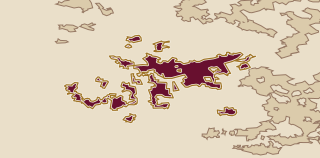
Balatonfüred-Csopak is on Lake Balaton's northern shore. Olaszrizling and Kékfrankos are permitted for both village and single-vineyard wines. Rosé belongs only to the village category and may use Kékfrankos or Zweigelt. The area is especially associated with Olaszrizling and is rediscovering Kékfrankos. Tihany sits within the wine region as a separate entity with its own product specification.
Continue through the region
Elsewhere in Lake Balaton
- Badacsony1 producerBadacsony grows Olaszrizling and Kéknyelű on basalt slopes. Its whites can have texture, smoky notes and freshness. Retaining-wall terraces remain part of the vineyard landscape.
- BalatonNo producers listed yetBalaton's six wine districts share Olaszrizling but not one style. Northern and southern vineyard conditions differ, and the area includes white wines as well as ageable red styles.
- Balaton-felvidékNo producers listed yetOn Lake Balaton's northern shore, Balaton-felvidék shares climate and soil influences with Badacsony and Balatonfüred-Csopak.
- BalatonboglárNo producers listed yetBalatonboglár sits mainly on Lake Balaton's southern shore. Its wines are fruit-forward and concentrated, with ageable reds among the local styles.
- Csopak1 producerCsopak works with Olaszrizling and Kékfrankos at village and single-vineyard level.
- KáliNo producers listed yetKáli's hills are largely made of volcanic debris rock, with little lava rock.
- Nagy-SomlóNo producers listed yetNagy-Somló's vineyards grow on volcanic ground. The direction a slope faces affects grape sugar and acidity.
- SomlóiNo producers listed yetSomlói wines come from a small volcanic hill in the Lake Balaton area. Furmint and Juhfark grow on basalt soils and make wines with firm acidity and a savoury finish.
- TihanyNo producers listed yetTihany has its own wine specification within Balatonfüred-Csopak, with volcanic, tuff-derived soils.
- Zala1 producerZala's rain and lower sunshine favour fresher, more balanced wines. It became a wine region in 1997 after local communities requested the restoration of its classification.