
NoleaWorld of Wine

Veneto · Italy

Producer profile

Monte del Frà

Third-generation Bonomo family estate in Sommacampagna making Ripasso, Amarone and Recioto from Valpolicella Classico vineyards, alongside whites from the Custoza zone.

Place
Veneto · Italy
Known for
Valpolicella Classico dried-grape wines: Ripasso, Amarone and Recioto from Corvina Veronese, Corvinone and Rondinella.
Editorial basis
World of Wine editorial profile · 7 sources

World of Wine editorial profile · Source list ↓

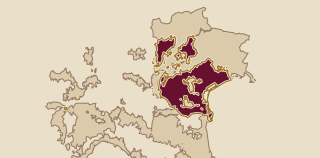
Atlas locationVeneto · Italy45.39° N · 10.83° E

At A Glance

The Producer

Monte del Frà owns 137 hectares of vineyard and rents a further 68, making it one of the larger family estates working across Verona's appellations. Its headquarters sit at Strada Custoza 35 in Sommacampagna, inside the white-wine zone of Custoza DOC, while its most talked-about bottles come from a separate set of vineyard holdings in the Valpolicella Classico hills to the northwest. The Bonomo family runs both territories from the same estate.

Marica Bonomo is the third generation of the family at the property. She presents wines that span from the light Custoza whites to the full weight of Amarone, but the estate's clearest argument is made in its Valpolicella hierarchy: three bottles, the same three grapes, and a cellar that turns the dried-fruit process up by degrees from Ripasso to Amarone to sweet Recioto.

Place

Sommacampagna lies on the Veronese plain south of Lake Garda, in the Custoza DOC zone known for its fresh, dry whites. The Valpolicella Classico hills sit northwest of Verona, a compact range of valleys where the villages of Fumane, Marano, Negrar, San Pietro in Cariano and Sant'Ambrogio di Valpolicella give their names to the most traditionally respected sub-zones. Monte del Frà holds vineyard land across these hills, working under the Valpolicella Classico, Ripasso Classico Superiore, Amarone della Valpolicella Classico and Recioto della Valpolicella Classico designations.

The Classico suffix in each of these appellations refers to the historic core of the Valpolicella zone. It is a legal and geographical distinction: wines labelled Classico come from the original hillside territory, not the extended flat-ground zone approved in the 1960s. For Monte del Frà, the Classico designation anchors all three tiers of its Valpolicella range in the more elevated, cooler parcels where grape concentration develops more gradually and the fruit retains brighter acidity going into drying.

Soil And Site

The Valpolicella Classico hills are predominantly limestone and clay, with some volcanic basalt in the higher valleys. These soils drain well and warm up slowly in spring, which suits the late-ripening Corvina Veronese grape. Corvina is the backbone of all three Valpolicella wines at Monte del Frà, blended with Corvinone, a larger-berried relative with similar character but slightly lower acidity, and Rondinella, a thinner-skinned variety that adds colour and floral lift. Together the three grapes form the legal and sensory foundation of the Valpolicella appellation.

Story

The land around Sommacampagna carries a documented monastic connection dating to 1492. The Bonomo family arrived much later, as tenants in 1958, farming the land while keeping options open. For thirty years the estate operated with divided attention: agricultural work alongside wine production, neither fully committed.

On 8 August 1988 the Bonomo family converted all its land to vines and declared wine production the estate's sole activity. That date closed one chapter and opened another. The decision meant building a cellar operation capable of managing the full Valpolicella hierarchy, from the relatively quick Ripasso cycle to the years-long commitment of Amarone production. Marica Bonomo, the third generation, now carries that commitment forward across 205 hectares of vineyard spread over multiple Verona appellations.

Vineyards And Cellar

The appassimento process sits at the centre of Monte del Frà's Valpolicella winemaking. After harvest, grapes destined for Amarone are laid on racks and dried slowly, losing water and concentrating sugars, acids and flavour compounds over several months. The pace matters: a slow, gradual wilt preserves aromatic complexity in a way that faster drying cannot. Indigenous yeasts carry the fermentation in small steel vats, with a long skin maceration running alongside to pull polyphenols and aromatic compounds from the grape skins into the wine.

The Ripasso works differently. The base Valpolicella wine ferments first in the normal way. At the end of winter, the pressed skins left over from Amarone production are added back into the Ripasso wine. Those skins still carry sugars, colour and dried-fruit character, and their addition triggers a natural second fermentation. The wine absorbs the extra depth and body before moving to approximately 20 months in 30-hectolitre French-oak casks. The oak is large enough that it seasons rather than flavours the wine, adding tannin grip without imposing vanilla or spice.

For Amarone, the oak ageing is longer: at least 24 months in 20- and 30-hectolitre French-oak barrels, followed by a minimum six months in bottle before release.

The Recioto follows the same dried-grape path as Amarone but takes a different exit. Fermentation is stopped before all the concentrated grape sugar converts to alcohol, leaving residual sweetness in a full-bodied dessert wine. Where Amarone finishes dry despite its grape concentration, Recioto stays sweet, its fermentation arrested by the winemaker rather than completed.

Wines

The three Valpolicella wines at Monte del Frà are built around the same grape trio, Corvina Veronese, Corvinone and Rondinella, but the cellar routes them into three distinct styles.

The Tenuta Lena di Mezzo Valpolicella Ripasso Classico Superiore is the entry into the dried-grape range. The second fermentation on Amarone skins gives it more body, deeper colour and dried-cherry character than a straight Valpolicella, while the 20-month oak élevage adds a firm tannin layer and a slightly cedary edge. It opens with floral lift alongside the darker fruit and carries a bite of acidity through the finish. The drinking window runs to 10 to 12 years from vintage.

The Amarone della Valpolicella Classico DOCG is the weight of the range. Full appassimento, indigenous yeast fermentation, long maceration and at least 24 months in French oak bring out concentrated dark fruit, dried flowers and spice. The alcohol is significant, but the estate aims for a wine where aromatic complexity and floral character sit alongside the power rather than being buried by it. The ageing horizon extends to approximately 20 years.

The Recioto della Valpolicella Classico DOCG sits in a separate dessert-wine category within the estate's portfolio. It uses the same three grapes and the same drying process, but the arrested fermentation preserves the concentrated fruit sugars. The profile runs to ripe fruit, candied notes and warm spice, with a harmonious finish that keeps the sweetness from feeling heavy.

In The Glass

The Ripasso opens with a lifted florality inherited from Corvina Veronese, then moves into darker territory: concentrated dried cherry, a firm mid-palate from the tannins built during oak ageing, and a clean, ripe freshness that keeps the weight from becoming dull. The bite on the finish is the second fermentation's signature, a structural grip that separates Ripasso from lighter Valpolicella and makes it worth keeping in the cellar.

The Amarone reads as the same building blocks at higher intensity. Dried fruit in place of fresh, flowers sharpened to something closer to dried violets, spice made more insistent by the concentration of the appassimento. The long maceration leaves polyphenols that give the wine a firm, drying grip on the back palate, but the estate's approach with indigenous yeasts and gradual drying aims to keep aromatic freshness alongside the alcohol rather than producing a wine that tastes primarily of its own weight.

The Recioto is warm and sweet on the nose, candied red fruit and spice with a preserved quality from the dried grapes. In the mouth the sweetness is full but the finish is described by the estate as dry and harmonious, meaning the residual sugar is balanced rather than cloying.

A Bottle To Understand It

Start with the Tenuta Lena di Mezzo Valpolicella Ripasso Classico Superiore. It carries all three native grapes, explains the appassimento process through the Ripasso method, and delivers the dried-fruit character of Valpolicella at a weight and price point below Amarone. The floral lift from Corvina sits alongside concentrated dark cherry and the firm tannin grip from 20 months in large French oak. Acidity keeps the mid-palate clean and the finish alive. It can be opened young or held for a decade.

Anecdote

The Bonomo family arrived at the Sommacampagna property in 1958 as tenants, farming the land without fully committing to it. For thirty years they worked alongside other agricultural activities, building the vineyard holdings gradually and watching how the Verona appellation system developed around them. Then, on 8 August 1988, the family converted all its land to vines and formally made wine production the estate's sole activity. No more divided attention, no more hedging. The date is recorded in the estate's own account of its history, specific enough to suggest that someone sat down that August and signed something, closed one chapter and opened another. The estate that Marica Bonomo runs today, with 137 hectares owned and 68 rented across Custoza and Valpolicella Classico, follows directly from that single conversion.

Final Word

Monte del Frà gives access to the full Valpolicella hierarchy from a single family estate. The Ripasso earns its place as the entry point, the Amarone demands patience and carries it well, and the Recioto shows what the same grapes become when sweetness is the goal. The Bonomo family built the operation over thirty years before committing to it entirely, and that deliberateness shows in the range.

Sources

Keep following the thread

Where to go next

placeRead the Veneto guideSee Monte del Frà in the wider setting of Veneto.mapFind Monte del Frà on the mapKeep the producer, its region and nearby places together.learningHow place shapes wineSee how climate, landscape and local choices become part of a wine.