NoleaWorld of Wine

Douro / Porto · Portugal

Producer profile

Quinta de la Rosa

A Bergqvist family Douro estate relaunched in 1988, with Jorge Moreira focusing on individual vineyards and fresh, mineral Port.

Place
Portugal
Known for
Fresh, mineral Douro Port
Editorial basis
World of Wine editorial profile · 8 sources

World of Wine editorial profile · Source list ↓

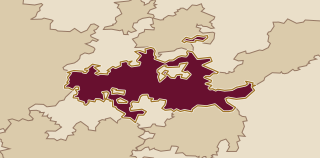
Atlas locationDouro / Porto · Portugal41.18° N · 7.55° W

At A Glance

-
-
Region
Cima Corgo, Douro Valley
Position
North bank of the Douro, about two kilometres from Pinhão
Vineyard area
62 hectares
Farming
Established vines dry-farmed; ADVID-certified

The Producer

Tim Bergqvist and his daughter Sophia relaunched Quinta de la Rosa in 1988, resuming Port production under the estate's own label. Sophia now oversees day-to-day operations.

Winemaker Jorge Moreira joined in 2002. He concentrated on individual vineyards after arriving, making improvements and investments across the estate.

Grasses and clover are sown between the vineyard rows as winter cover crops. Monitored drip irrigation is reserved for establishing new plantings. The vineyards are not organic, and the estate avoids unnecessary spraying.

Reserva reds receive several hours of foot-treading in traditional granite lagares before temperature-controlled stainless-steel fermentation. Port undergoes several consecutive nights of foot-treading before brandy arrests fermentation. Across the Port range, freshness, minerality and restrained sweetness define a dry house style.

Wines

Quinta de la Rosa Ruby Reserve spends an average of three to four years in large wooden vats. Red cherries and berries lead its profile. It is a lighter style with body and a long finish.

Quinta de la Rosa LBV matures in large wooden tonels. It is concentrated and full-bodied, with young, vibrant dark fruit, cinnamon spice and a long finish. The still-wine side includes Quinta de La Rosa Reserva 2018.

Sources

Keep following the thread

Where to go next

mapFind Quinta de la Rosa on the mapKeep the producer, its region and nearby places together.learningHow place shapes wineSee how climate, landscape and local choices become part of a wine.