NoleaWorld of Wine

Aÿ-Champagne · Champagne · France

Producer profile

Gosset

Gosset is a Champagne house founded by Pierre Gosset in Aÿ in 1584 and now based in Épernay, with Grande Réserve Brut, Grand Blanc de Blancs, Grand Rosé and Celebris in its range.

Place
Aÿ-Champagne · Champagne · France
Known for
Champagne shaped by a 1584 Aÿ origin, fruit preserving vinification, multiple cru Chardonnay and long cellar ageing.
Wine context
Chardonnay · Pinot Noir
Editorial basis
World of Wine editorial profile · 6 sources

World of Wine editorial profile · Source list ↓

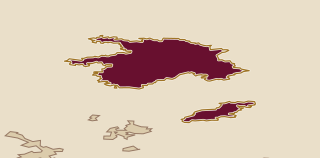
Atlas locationAÿ-Champagne · Champagne · France49.05° N · 4.01° E

At A Glance

Gosset began in 1584, when Pierre Gosset made still wine in Aÿ. The house is now based in Épernay, where a listed park covers 1.7 kilometres of nineteenth century cellars. Its current range includes Grande Réserve Brut, Grand Blanc de Blancs, Grand Rosé and Celebris. The clearest bottle to begin with is Grand Blanc de Blancs, a 100% Chardonnay Champagne assembled from crus in three Champagne areas and aged for at least four years.

The Producer

Gosset is identified as the oldest wine house in Champagne, with a history that starts before sparkling wine became the region's defining style. Pierre Gosset's 1584 estate made still wine in Aÿ, linking the house to a village and a wine culture that remain central to its story. Today, the domaine works from Épernay and sends around 65% of its production to more than 70 countries.

The range separates its bottles through grape choice and blend role. Grande Réserve Brut uses Pinot Noir, Chardonnay and Pinot Meunier. Grand Blanc de Blancs is entirely Chardonnay. Grand Rosé uses a high proportion of Chardonnay with Pinot Noir made into both white and red base wines.

Place

Aÿ Champagne is the historic village associated with Gosset, while Épernay is the present production address. That movement from village origin to a domaine above long established cellars gives the house two physical points of reference: Aÿ supplies the 1584 beginning, and Épernay houses the current cellar work. The labels then carry those origins into different Champagne blends, from the three grape Grande Réserve to the Chardonnay led Grand Blanc de Blancs.

Soil And Site

Grand Blanc de Blancs draws Chardonnay from various crus in the Montagne de Reims, Vallée de la Marne and Côte des Blancs, including places where chalk reaches the surface. The wine is therefore assembled across several Champagne areas, while the exposed chalk reference remains part of its site story. On the label, 100% Chardonnay signals a white Champagne whose range position depends on grape and multiple cru selection, not a single vineyard claim.

Story

In 1584, Pierre Gosset established the house as a still wine producer in Aÿ. In 1760, Jean Gosset designed an antique glass bottle with a necklace medallion neck label, adding a physical mark to the estate's bottles. Sixteen generations of direct descendants kept family control before Gosset joined Renaud Cointreau in the early 1990s. The house now describes its work through the transmission of traditional Champagne know how across four centuries, while its bottles move through a modern international route.

The historical sequence reaches the glass through choices that remain visible in the range. A still wine origin sits behind a Champagne house, an old bottle design remains attached to the name, and the current wines use fruit preserving vinification and extended cellar ageing to shape their styles.

Vineyards And Cellar

The Chardonnay for Grand Blanc de Blancs is selected from multiple crus across three Champagne areas, with chalk breaking through in the chosen sites. It is bottled at the end of the spring following harvest and spends a minimum of four years in the cellars. That combination of broad Chardonnay sourcing and long ageing leads into a wine with layered aromatics, citrus fruit and a saline finish.

Gosset also uses a vinification process designed to preserve the natural freshness of the fruit. The cellar setting is substantial: the Épernay domaine stands above 1.7 kilometres of nineteenth century cellars beneath a listed park. Grand Rosé receives at least four years in those cellars, while its Chardonnay and Pinot Noir base wines give the blend separate roles for freshness, colour and fruit weight.

Wines

Grande Réserve Brut is the broad three grape expression of the range. It contains 45% Pinot Noir, 45% Chardonnay and Pinot Meunier completing the blend. Pinot Noir and Chardonnay carry equal stated shares, so the bottle sits between red fruited breadth and Chardonnay freshness, while Meunier supplies the remaining part of the composition.

Grand Blanc de Blancs moves in another direction: it is a white Champagne made from 100% Chardonnay from various crus. Its pale yellow colour with green flecks leads into white flowers, hawthorn, green apple and citrus. After at least four years in the cellars, the wine develops further notes of grapefruit peel, ginger and star anise, with citrus and pineapple on the palate and a sparkling saline finish.

Grand Rosé uses a high percentage of Chardonnay, with Pinot Noir vinified as both white and red base wines. The Chardonnay keeps the blend fresh and lifted, while the two Pinot Noir base wine treatments create different contributions within the rosé composition. It also spends at least four years in the cellars. Celebris is part of the named range, but its grape blend, ageing and taste profile are not specified here.

In The Glass

Grand Blanc de Blancs begins pale yellow, flecked with green. The first aromas rise as white flowers, hawthorn, green apple and citrus, a sequence that places Chardonnay ahead of oak or sweetness. As the Champagne warms, grapefruit peel appears beside ginger and star anise, adding savoury spice to the fruit and floral notes.

The palate carries citrus first, then pineapple broadens the fruit. The wine finishes with a sparkling saline note, leaving a lightly mineral impression alongside the persistent mousse. The sequence follows the bottle's 100% Chardonnay composition, its chalk selected crus and its minimum four years of cellar ageing.

A Bottle To Understand It

Start with Gosset Grand Blanc de Blancs. It is 100% Chardonnay from multiple crus in the Montagne de Reims, Vallée de la Marne and Côte des Blancs, including sites where chalk reaches the surface. Four years of cellar ageing gives the bottle time to move from white flowers, green apple and citrus toward grapefruit peel, ginger, star anise and pineapple. The finish is saline and sparkling. This single bottle brings grape, place, cellar time and taste into one clear sequence.

Anecdote

In 1760, Jean Gosset turned his attention to the bottle itself. He designed an antique glass bottle with a necklace medallion neck label, creating a shape and label detail that could be recognised before the wine was poured. The design belongs to the house's long Aÿ history, when Gosset's work began with still wine rather than the sparkling blends associated with Champagne today. The bottle became a physical piece of the estate's presentation, carrying the name in glass as well as on paper. More than two centuries later, the detail remains attached to the Gosset story: antique glass, a neck medallion, and a design credited to Jean Gosset in 1760.

Final Word

Gosset connects a 1584 Aÿ origin with present day cellars in Épernay and a range built around distinct blend choices. Grande Réserve brings Pinot Noir, Chardonnay and Meunier together. Grand Rosé combines Chardonnay with white and red Pinot Noir base wines. Grand Blanc de Blancs stays with Chardonnay from several chalk marked Champagne areas, then carries citrus, floral notes, spice, pineapple and saline length after long cellar ageing. The house's history is old, but the bottles are legible through what is in the blend, where the grapes come from and how long they remain underground.

Sources

Keep following the thread

Where to go next

placeRead the Champagne guideSee Gosset in the wider setting of Champagne.mapFind Gosset on the mapKeep the producer, its region and nearby places together.learningUnderstand ChampagneRead the quick library guide to Champagne, which is listed with this producer.