NoleaWorld of Wine

Catalonia · Spain

Producer profile

Clos Mogador

Gratallops estate in DOQ Priorat, making an estate bottled red with biodynamic soil work and ageing in oak foudres and concrete tanks.

Place
Catalonia · Spain
Known for
Estate bottled Priorat red
Editorial basis
World of Wine editorial profile · 5 sources

World of Wine editorial profile · Source list ↓

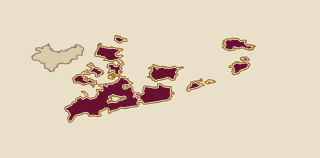
Atlas locationCatalonia · Spain41.19° N · 0.77° E

At A Glance

Field
Detail
Place
Gratallops, Catalonia
Appellation
DOQ Priorat
Signature wine
Clos Mogador
Wine style
Red wine
Defining practice
Biodynamic viticulture, permanent cover crops, cow compost and biochar

The Producer

René Barbier Ferrer was pursuing Grenaches when he bought a polyculture estate planted with vines, olive trees and almond trees. The estate now divides responsibilities between René Barbier Meyer, who guides fermentations, and Christian Barbier Meyer, who tends the vineyards.

From 2012 onward, Clos Mogador changed its viticulture toward biodynamic agriculture. Soil work remains minimally interventionist, with permanent cover crops, annual cow compost and biochar. Horses, sheep and chickens graze those crops. New plantings use rootstocks adapted to the estate soils, grafted with buds from indigenous varieties.

Place

Gratallops is where Clos Mogador makes estate bottled wine within DOQ Priorat. Estate bottling means the wine is produced by the property itself. Clos Mogador was among the first Catalan wines to receive Vi de Finca certification, which denotes more than a decade of production from the same single vineyard.

Wines

Clos Mogador is the eponymous red Priorat wine, with 2022 as the listed vintage. Some lots use 40% added stems, while others incorporate whole bunches. Whole bunch fermentation keeps stems with the grapes and can contribute perfume, spice and grip to the wine.

In The Glass

Clos Mogador brings Mediterranean undergrowth aromas around softened fruit, with characteristic minerality remaining alongside the fruit on the palate. Added stems and whole bunches can contribute perfume, spice and tannin during fermentation.

A Bottle To Understand It

Choose Clos Mogador. Fermentation and maceration last between 35 and 55 days in foudre, followed by twenty months in oak foudres and concrete tanks. Foudre is a large oak vessel that allows gradual oxygen contact, while concrete provides a neutral ageing vessel. The bottle brings together extended maceration, variable stem use and two different ageing materials under the Clos Mogador name.

Final Word

Clos Mogador joins family vineyard and fermentation work with estate bottling in Gratallops, biodynamic soil management and long élevage in oak foudres and concrete tanks.

Sources

Keep following the thread

Where to go next

placeRead the Catalonia guideSee Clos Mogador in the wider setting of Catalonia.mapFind Clos Mogador on the mapKeep the producer, its region and nearby places together.learningHow place shapes wineSee how climate, landscape and local choices become part of a wine.