
Who makes it
Robertson Winery turns a broad regional vineyard supply into wines for markedly different occasions. More than 35 farming families feed the cellar, with some growers representing seven generations of grape farming; mountain sites and productive river-valley vineyards therefore arrive at one town-based winery with different fruit profiles to work from. Rianco Van Rooyen leads the team that picks, presses, ferments and blends those grapes, from sparkling and sweet wines to the focused Constitution Road pair.
Robertson Winery began in 1941, but its present shape is defined by the long relationships behind the cellar door. Many of its supplying farms have worked with the winery for decades, while some families have been growing grapes for seven generations. That continuity lets the winery assemble a wide range from familiar vineyard sources, then reserve selected Wandsbeck Chardonnay and Wolfkloof Shiraz for Constitution Road, launched in 2004 to mark ten years of South African democracy under the new constitution.
Where it grows
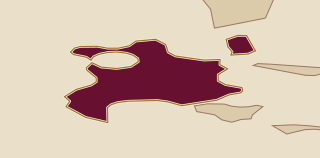
Robertson Winery sits in the Robertson Valley of the Breede River Valley, where water from the Breede River system irrigates the vines. The supply network runs from mountain vineyards to river-valley ground, so ripening conditions and soils vary before grapes reach the cellar. That range of sources explains why Robertson Winery can make light, sparkling, sweet and alcohol-free wines alongside single-grape Chardonnay and Shiraz: the wines begin with a regional spread rather than one estate block.
The Constitution Road wines narrow that wide supply down to named farm sites. The Chardonnay comes from selected Wandsbeck vineyards, where well-weathered deep Karoo soil contains generous lime; regulated deficit irrigation keeps berries small and concentrates flavour. Wolfkloof provides the Shiraz from two premium blocks planted in deep Oakleaf soil, giving the red wine a different physical base before fermentation begins.
How it is made
The cellar
Water from the Breede River system supports irrigation across the vineyard supply, while the Wandsbeck Chardonnay uses regulated deficit irrigation to limit berry size. The result is concentrated Chardonnay fruit for a wine made from free-run juice, fermented in new and second-fill French oak and kept on primary lees for 18 months. Oak and lees add creaminess, toast and butterscotch around the grape’s citrus-driven acidity.
The 100% Shiraz from Wolfkloof is handled in small open-top fermenters. Its skin cap is punched down or pumped over every six hours, then the wine spends extended time on skins before French-oak ageing. Repeated contact between juice and skins builds colour, dark-fruit flavour and tannin; the oak brings spice and chocolate notes without replacing the plum and blackberry fruit.
What they make
The RW range is deliberately wide: RW Cultivar, RW Sparkling, RW Natural Sweet, RW Chapel, RW Non-Alcoholic, RW Light and RW Blends cover different grapes, sweetness levels and formats. The common thread is cellar blending from varied Robertson vineyard sources, rather than a promise that every bottle will taste alike. Sparkling wines bring mousse, natural sweet wines bring sweetness, and the lighter and alcohol-free labels answer a different brief from the fuller wines.
Constitution Road is the smaller premium range, made as Chardonnay and Shiraz. Its Chardonnay is 100% Chardonnay from Wandsbeck, with oak and lees shaping a creamy body and zesty acidity. Its 100% Shiraz comes from Wolfkloof, where open-top fermentation and skin contact build a darker, more structured red with ripe fruit, spice and silky tannin.
Wines to try
First bottle
Choose Constitution Road Chardonnay 2022. It is 100% Chardonnay from Wandsbeck, where lime-bearing deep Karoo soil and regulated deficit irrigation produce small, concentrated berries. Free-run juice, French-oak fermentation and 18 months on primary lees translate that vineyard fruit into citrus, pear, buttered toast and vanilla, with creamy texture held in place by zesty acidity. It brings Robertson Winery’s regional farming base, a named site and a clear cellar method into one dry white bottle.