
Who makes it
Cantina Zaccagnini joins wine with artistic expression at the estate. More than 40 artworks are on the property. On May 13, 1984, German artist Joseph Beuys visited the Bolognano winery to present In Defence of Nature. Looking at the Tralcetto bottle, he said, “It is a work of art that has wine inside.”
Marcello Zaccagnini founded the winery in 1978 after inheriting his father Ciccio's passion for winemaking. The Tralcetto line places the Pecorino grape in a white wine and Montepulciano in a red wine named Montepulciano d'Abruzzo. The bottle line gives the producer two clear grape and colour expressions within the same visual world.
Where it grows
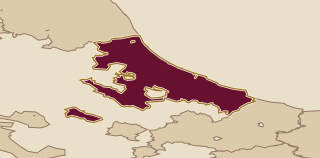
Bolognano in Pescara is Cantina Zaccagnini's home. The Tralcetto white and red are presented under regional DOC designations, so each label places the wine within a regulated production area broader than the town address. DOC is a geographic designation tied to production rules. The place wording therefore moves from a specific home in Bolognano to wider Abruzzo production areas.
What they make
The Tralcetto line divides by grape and colour. Tralcetto Pecorino is the white wine, made with gentle pressing, cold maceration and cold fermentation. Lower temperatures help preserve aromatic detail, which comes through as flowers, yellow fruit, mint and thyme. On the palate, the wine balances depth with salinity and freshness.
Tralcetto Montepulciano d'Abruzzo is the red. Its grapes are destemmed and crushed before submerged cap maceration, which keeps the grape solids beneath the fermenting wine and supports colour and tannin extraction. Temperature controlled fermentation lasts approximately 15 days, then the wine ages in steel on its own lees. Steel adds no oak flavour, while lees ageing can round the texture. The finished wine is purple red with deep violet reflections, harmonious soft tannins and good persistence.